Have you ever wondered about the difference between HTML5 and WordPress? If you’re diving into the world of web development or considering building your own website, understanding these two is crucial.
Picture this: HTML5 is like the raw ingredients in your kitchen, giving you the fundamental building blocks to create a website from scratch. On the other hand, WordPress acts more like a ready-to-use recipe, offering a simplified platform where you can build a site without needing to master coding.
But why should you care about the distinction between them? Knowing how HTML5 and WordPress differ can empower you to make smarter choices for your web projects, ensuring you choose the right tool for your needs. Whether you’re aiming for complete creative control or seeking an easier way to get your site up and running, this article will guide you through the essentials. So, keep reading to discover which option aligns best with your goals and how each can transform your digital presence.
Basics Of Html5
HTML5 is the latest version of HTML. It is used to create web pages. It supports audio and video without plugins. Games can run directly in the browser. It provides better graphics and design. HTML5 offers offline web applications. Users can access sites without internet. It supports geolocation to find a user’s location. HTML5 makes web apps more interactive and fun.
Developers use HTML5 to build websites. It makes websites fast and responsive. HTML5 is used for mobile apps too. It helps create interactive content. Many games use HTML5 for better performance. Educational tools use it for animations. HTML5 helps with multimedia presentations. It is popular for web-based applications. HTML5 is a versatile tool for web development.
Introduction To WordPress
WordPress is a popular website builder. It helps people create websites easily. It is an open-source platform. This means anyone can use and change it. WordPress is free to download. Many websites use WordPress today. It is known for being user-friendly.
Platform Features
WordPress offers many features. It has themes and plugins. Themes change how a site looks. Plugins add new functions. This makes WordPress flexible. Users can customize their sites. This is great for beginners. No coding skills are needed. WordPress also supports many languages.
Typical Applications
WordPress is used for different applications. Many people use it for blogs. Businesses use it for company websites. It is also used for online stores. This is possible with plugins like WooCommerce. Some people use it for portfolios. Others create online magazines. WordPress fits many needs.
Development Process
HTML5 requires coding skills. Developers write code for design and function. They use different languages like CSS and JavaScript. It takes time and skill to make a website. They have control over every detail.
WordPress needs no coding. It is a platform with ready templates. Users click to build sites. It is easy and fast. Many people use it without coding knowledge. It allows quick changes.
With HTML5, customization is vast. Developers can change anything. They can create unique designs. It takes time but offers flexibility.
WordPress offers many plugins. Users can add features quickly. Themes offer design choices. Changes are easy but less flexible than HTML5.
Design And Layout
WordPress offers many themes. These are ready-made designs. You can change them easily. This helps in fast website building. HTML5 does not offer themes. You must design from scratch. This takes more time and skill.
WordPress themes are often responsive. They adjust to different devices. This is great for phones and tablets. HTML5 can be responsive too. But, you need to code it. This requires more work.
Content Management
HTML5 creates static content. This means content does not change often. You have to edit the code to update it. It’s like a picture that stays the same. WordPress is different. It is for dynamic content. Content can change often. You can add or remove posts easily. It’s like a book that grows with new chapters.
Updating content in HTML5 takes time and skill. You need to know coding. WordPress makes updates easy. You can change text and images quickly. No coding skills are needed. It has a friendly interface. This saves time for many people. WordPress is great for blogs and news sites. HTML5 suits simple, unchanging sites.
Credit: thimpress.com
Seo And Performance
Html5 offers great control over SEO. You can customize every tag and attribute. This helps in improving search engine rankings. WordPress uses plugins for SEO. Plugins make tasks simpler but can add extra code. This might slow down the website. Both platforms have their advantages and disadvantages.
Html5 is usually faster. It does not have heavy plugins. This means quicker loading times. WordPress can be efficient with the right settings. But, many plugins can slow it down. Choosing the right tools is important.
Security Considerations
Understanding security considerations is crucial. HTML5 offers basic security, needing more manual adjustments. WordPress provides built-in security features, requiring regular updates and plugins for protection.
Vulnerabilities
Html5 itself is safe, but the code can be open to bugs. Errors in code can lead to security holes. Hackers can exploit these holes. WordPress has many plugins and themes. Some of them might be poorly coded. They can be easy targets for attackers.
Protection Measures
Using strong passwords is a good start. Html5 needs code reviews to find bugs. Fix errors to keep it safe. WordPress should be updated regularly. Updates fix known security issues. Choose plugins and themes wisely. Pick ones with good reviews. They are usually safer.
Cost And Resources
Building a website with HTML5 needs more time and skill. Costs can be higher because you might need a developer. WordPress is different. It offers many free themes and plugins. This makes it cheaper for beginners. Many people can set up a WordPress site themselves. So, less money spent on developers.
HTML5 requires knowledge of coding. You need to understand how to write HTML, CSS, and maybe JavaScript. WordPress is simpler. It is user-friendly. No need for coding skills. With WordPress, you can just drag and drop. This makes it easy for everyone.
Use Cases
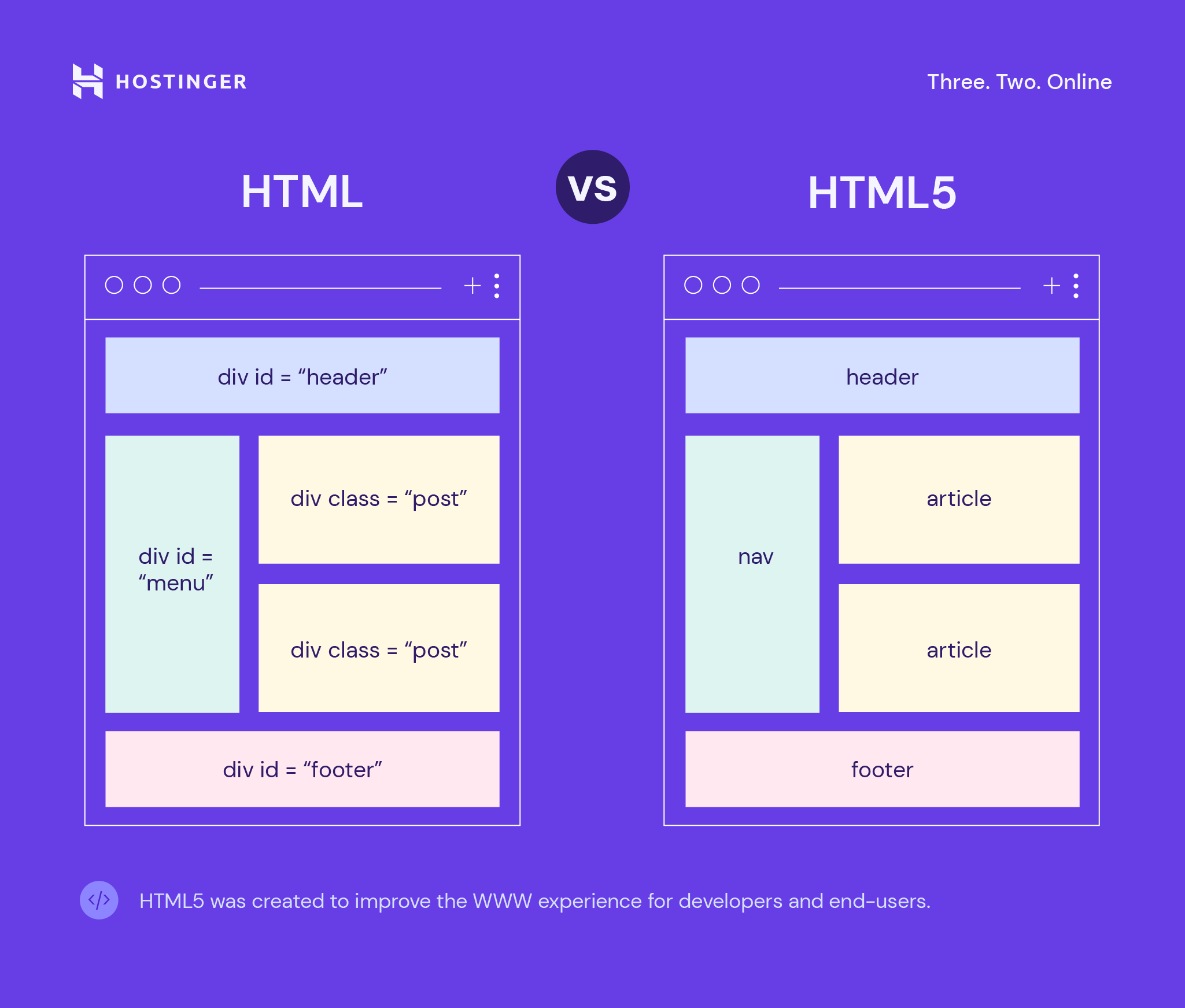
Html5 is a coding language for building web pages, focusing on structure and content. WordPress is a content management system for creating and managing websites easily without coding. Both serve different purposes in web development.
Best Scenarios For Html5
HTML5 is best for simple websites. It works well for pages that don’t change much. Static websites use HTML5. It is great for portfolios and brochures. HTML5 is also good for personal blogs. It is easy to learn and use. HTML5 websites load fast. They need less server space. This saves money. HTML5 is perfect for mobile-friendly sites. It supports audio and video. It works well without plugins. HTML5 is good for games too. It helps in creating interactive content.
Ideal Situations For WordPress
WordPress is great for dynamic websites. It works well for blogs that change often. WordPress is good for e-commerce sites. It is easy to manage products. WordPress offers many themes. It has plugins to add features. WordPress is ideal for large websites. It helps in managing lots of content. WordPress supports multilingual sites. This is helpful for global reach. WordPress is suitable for community forums. It helps in building online communities.
Credit: gt3themes.com
Credit: www.hostinger.com
Frequently Asked Questions
What Is Html5 Used For?
HTML5 is used to structure and present content on the web. It’s the latest version of HTML and includes new features. These features support multimedia elements like audio, video, and graphics. HTML5 is essential for creating interactive and user-friendly web pages.
Is WordPress An Html5 Platform?
WordPress is a content management system, not an HTML5 platform. It allows users to build websites without coding knowledge. However, WordPress themes and plugins use HTML5 to create structured content. This combination enhances website design and functionality.
How Does Html5 Differ From WordPress?
HTML5 is a markup language for building web pages from scratch. WordPress is a platform that simplifies website creation with pre-built themes. HTML5 requires coding skills, while WordPress is user-friendly. Both serve different purposes but can be combined for optimal web development.
Can I Use Html5 In WordPress?
Yes, HTML5 can be used within WordPress themes and plugins. Many modern WordPress themes are built using HTML5. This integration provides enhanced design and functionality. Users benefit from HTML5’s features while enjoying WordPress’s ease of use.
Conclusion
HTML5 and WordPress serve different purposes. HTML5 builds static websites. WordPress helps create dynamic sites with ease. Choose HTML5 for full control and customization. Opt for WordPress for user-friendly design and management. Both have unique strengths. Your project needs determine the best choice.
Consider your technical skills and goals. HTML5 requires coding knowledge. WordPress suits those preferring simplicity. Weigh your options carefully. Make an informed decision for your website’s success.