
Have you ever wondered why some websites feel interactive and alive while others seem more like static billboards? The difference often boils down to the type of web hosting they use: dynamic or static.
Choosing the right type of hosting can make or break your online presence. It affects how your site performs, how secure it is, and even how your audience perceives you. You’ll discover the key differences between dynamic and static web hosting and how each can impact your website.
By understanding these differences, you can make informed decisions that align with your goals and optimize your site’s performance. Curious to know which hosting fits your needs best? Let’s dive in and unlock the secrets behind dynamic and static web hosting.

Credit: www.wix.com
Dynamic Web Hosting
Dynamic web hosting involves servers that process data. It uses databases. Pages change based on user input. This requires server-side scripts. Examples are PHP and ASP.NET. These scripts run on the server. They create pages on demand.
Dynamic hosting supports interactive websites. It offers user accounts. Also, it provides content management systems. Sites can include comments. It handles large data. It’s flexible for updates.
Dynamic hosting makes websites more engaging. Users interact easily. It supports real-time changes. It’s good for e-commerce. Also, it helps in data collection. Analytics are easier.
Dynamic hosting is used for social media platforms. It’s great for blogs. Online stores use it. News sites benefit too. Forums need dynamic hosting. It’s ideal for educational sites.
Static Web Hosting
Static web hosting stores files on a server. Files are HTML, CSS, and images. No changes happen on these files. They are fixed and unchanging. A browser shows the same content each time. Loading is fast and simple. Servers do not need to do extra work. Content is pre-built and ready to show.
- Fixed content
- Fast loading times
- Simple server setup
- Reliable performance
- Low maintenance
Static hosting is cost-effective. It is easy to manage. Security is strong because of limited access. Speed is a big plus. Content loads quickly. Setup is simple and straightforward. Maintenance is minimal.
Static hosting suits personal websites. Portfolio sites work well too. Blog sites with fixed posts are ideal. Landing pages use static hosting often. Documentation sites benefit from this hosting. Small business sites find it useful.
Comparing Performance
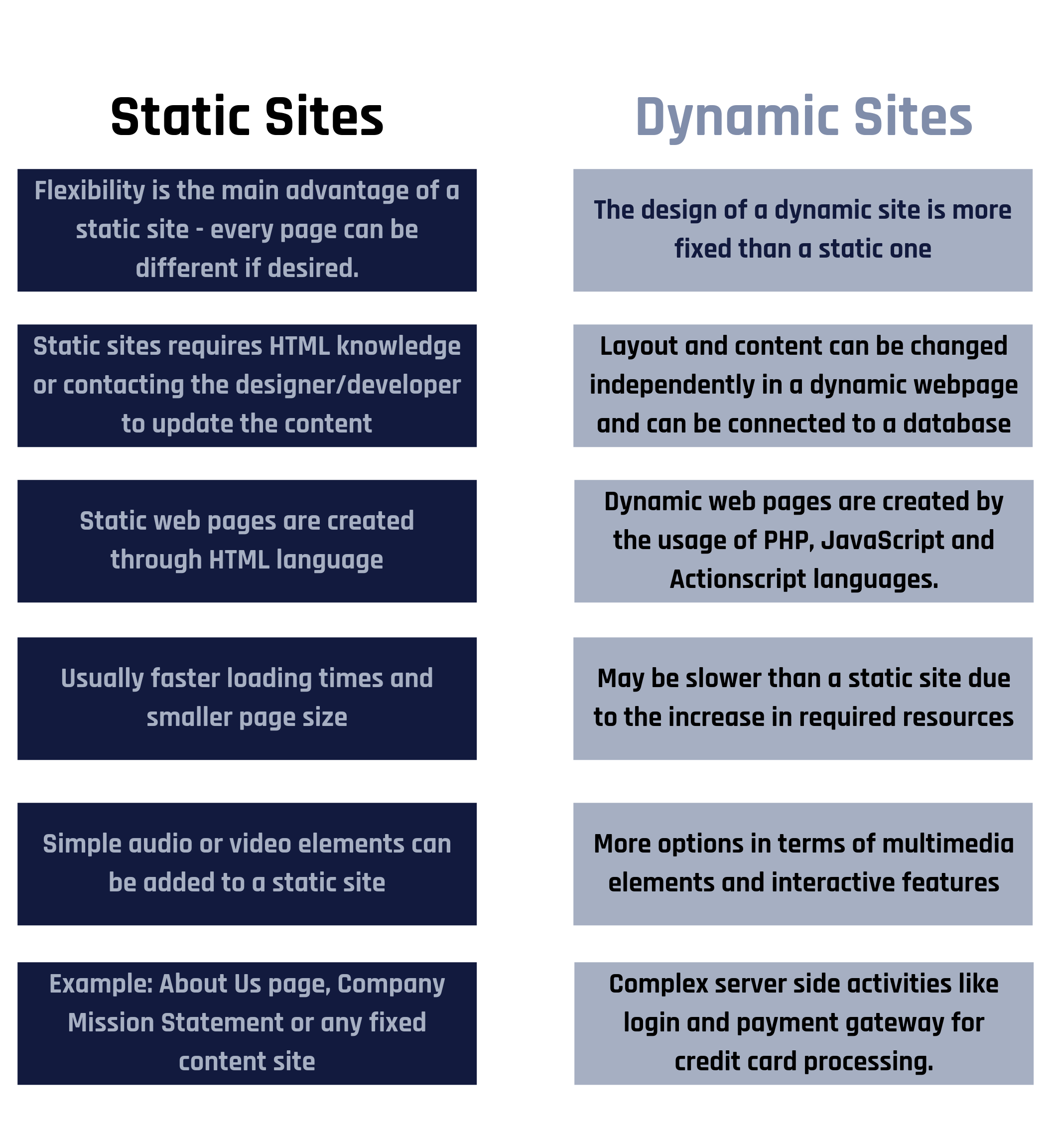
Static web hosting is usually faster. Pages load quickly because they are simple. No database is needed. Dynamic hosting, on the other hand, involves more steps. It uses databases and scripts. This can slow down speed. But, dynamic sites offer more features. They can show new data every time.
Scalability is about handling more traffic. Static hosting has limits. It can handle only a fixed number of visits. Dynamic hosting can grow with traffic. It can adjust resources. This means more people can visit at once. For big businesses, dynamic hosting is often better. It can manage lots of visitors easily.
Credit: buttercms.com
Security Considerations
Dynamic web hosting adapts to user inputs, increasing vulnerability to security threats. Static hosting offers a safer option, with fewer points of attack. Understanding these differences helps in selecting the right hosting for secure web operations.
Dynamic Hosting Security
Dynamic hosting offers many features. It can handle complex websites. But it can be risky. Hackers often target dynamic sites. They look for weaknesses. Regular updates are needed. Security patches must be applied often. This helps keep the site safe. Firewalls and antivirus tools are crucial. They help stop attacks. Encrypting data is also important. It protects user information. Always monitor your site. Watch for unusual activity.
Static Hosting Security
Static hosting is simpler. It has fewer security risks. Static sites don’t use databases. This makes them less attractive to hackers. No server-side scripts mean fewer vulnerabilities. Updates are less frequent. But you still need basic security. Use strong passwords. Keep your server software up-to-date. SSL certificates are important. They encrypt data between users and sites. Always back up your data. It helps in case of problems.
Cost Analysis
Exploring web hosting, dynamic hosting adapts content based on user interactions, while static hosting serves fixed content. Cost analysis reveals dynamic hosting often incurs higher expenses due to server resources, compared to static hosting’s minimal requirements. Understanding these differences aids in selecting the right web hosting solution for your needs.
Initial Costs
Static web hosting often has lower initial costs. It uses simple technology. Setting up is easy and cheap. Dynamic web hosting needs advanced technology. This makes it more expensive. It requires databases and server-side scripting. These increase the setup cost. Businesses may spend more on dynamic hosting initially.
Maintenance Costs
Static sites need less maintenance. They are easy to update. Dynamic sites require regular updates. They need security checks. This adds to the maintenance costs. Technical support is often needed for dynamic sites. It can be costly over time. Static sites save money on maintenance.
Choosing The Right Option
Choosing between dynamic and static web hosting needs thought. Static hosting is easy to use. It is great for simple sites. Dynamic hosting is for complex websites. It handles more tasks. Think about your site needs. Consider your budget. Static hosting is usually cheaper. Dynamic hosting can be more costly.
Match your website needs to the hosting type. Static hosting works for basic pages. No frequent updates needed. Dynamic hosting suits sites that change often. It is good for online shops or blogs. Choose static for speed. Pick dynamic for flexibility. Make sure your choice fits your website goals.

Credit: www.instagram.com
Frequently Asked Questions
What Is The Difference Between Static Hosting And Dynamic Hosting?
Static hosting serves fixed content without server-side processing. Dynamic hosting generates content on-the-fly using server-side scripts. Static hosting is faster and simpler, ideal for sites with unchanging content. Dynamic hosting offers flexibility and interactivity, suitable for websites with frequent updates and user interactions.
Is Amazon A Static Or Dynamic Website?
Amazon is a dynamic website. It updates content based on user interactions and preferences. Features like personalized recommendations and search results make it dynamic. Dynamic sites enhance user experience by providing real-time information. Static websites display fixed content without user-specific updates.
Amazon’s functionality relies on dynamic web technologies.
Is Google A Static Or Dynamic Website?
Google is a dynamic website. It updates content in real-time based on user interactions and searches. Dynamic websites use server-side processing to deliver personalized content. Google’s search results and features constantly change, offering tailored information for each user. This adaptability enhances user experience and engagement.
How Do I Know If A Website Is Dynamic Or Static?
Check if the website content changes without reloading. Use browser tools to inspect AJAX requests. Dynamic websites often use databases and scripting languages like PHP. Static websites display fixed content and use only HTML and CSS. Test by viewing page source; dynamic sites have less visible content.
Conclusion
Choosing between dynamic and static web hosting depends on your needs. Dynamic hosting offers flexibility and interactivity. Ideal for complex sites. Static hosting provides speed and simplicity. Perfect for straightforward websites. Consider your website’s goals and budget. Dynamic hosting suits e-commerce and blogs.
Static hosting fits personal sites and portfolios. Each has unique advantages. Evaluate your technical skills. Dynamic hosting may require more management. Static hosting is easier to handle. Make informed decisions for your website’s success. Understanding these differences helps in choosing the right path.
Your website’s performance and user experience depend on it.


