
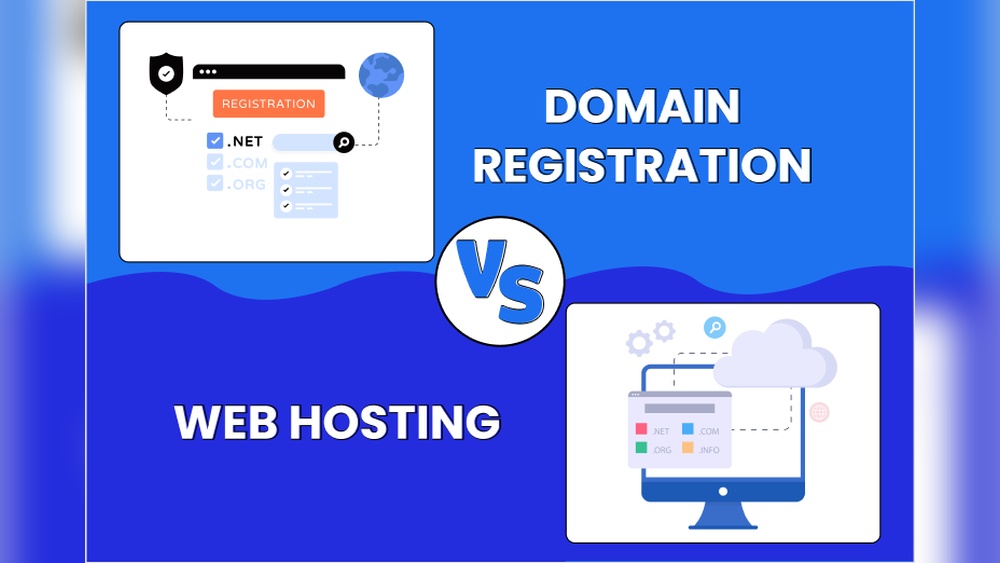
Are you confused about the terms “domain register” and “host”? You’re not alone.
Many people mix them up, but understanding the difference is key to building your website the right way. Knowing how these two work will save you time, money, and frustration. Keep reading, and by the end of this article, you’ll clearly see what each one does—and how they fit into your online success.
Credit: www.artsycourseexperts.com
Domain Register Basics
Understanding the basics of domain registration is key for anyone creating a website. It is the first step in claiming your online identity. Knowing how domain registration works helps you manage your website better.
What Is A Domain Register?
A domain register is a company that sells domain names. It acts as the middleman between you and the global domain database. You buy the right to use a domain name through them. They keep your registration details and renew your domain when needed.
Role In Website Ownership
The domain register holds your domain name information. This information includes your name, contact details, and registration period. Owning a domain name means you control what website visitors see. The register helps protect your rights to that name online.
How To Register A Domain
Choose a domain name that fits your website or brand. Check its availability using the register’s search tool. Provide your contact information to create an account. Pay the registration fee to secure the domain for a set time. Keep your details updated to avoid losing your domain.

Credit: pediaa.com
Host Essentials
Understanding web hosting is key to building a website. Hosting stores your website’s files on powerful computers called servers. These servers keep your site live and accessible to visitors worldwide. Hosting ensures your website runs smoothly and loads fast.
What Is Web Hosting?
Web hosting is a service that saves your website files online. It uses servers to keep your site active 24/7. Without hosting, your website cannot be seen on the internet. Hosting providers offer space and technology to store your site.
Types Of Hosting Services
Several hosting types fit different needs. Shared hosting lets many websites share one server. It is affordable and good for small sites. VPS hosting offers a private space on a shared server. It gives better speed and control. Dedicated hosting means your website has a whole server. This suits big sites needing high performance. Cloud hosting uses many servers linked together. It provides flexibility and can handle traffic spikes easily.
How Hosting Supports Websites
Hosting keeps your website live and reachable at all times. It handles visitors’ requests and delivers your web pages fast. Good hosting improves website speed and uptime. It also provides security to protect your data. Hosting services often include backups and technical support. This support helps fix issues quickly and keeps your site safe.
Key Differences Between Domain Register And Host
Understanding the key differences between a domain registrar and a host helps in building a website. Both play vital roles but serve different purposes. Knowing these differences avoids confusion during website setup.
Ownership Vs Service Provision
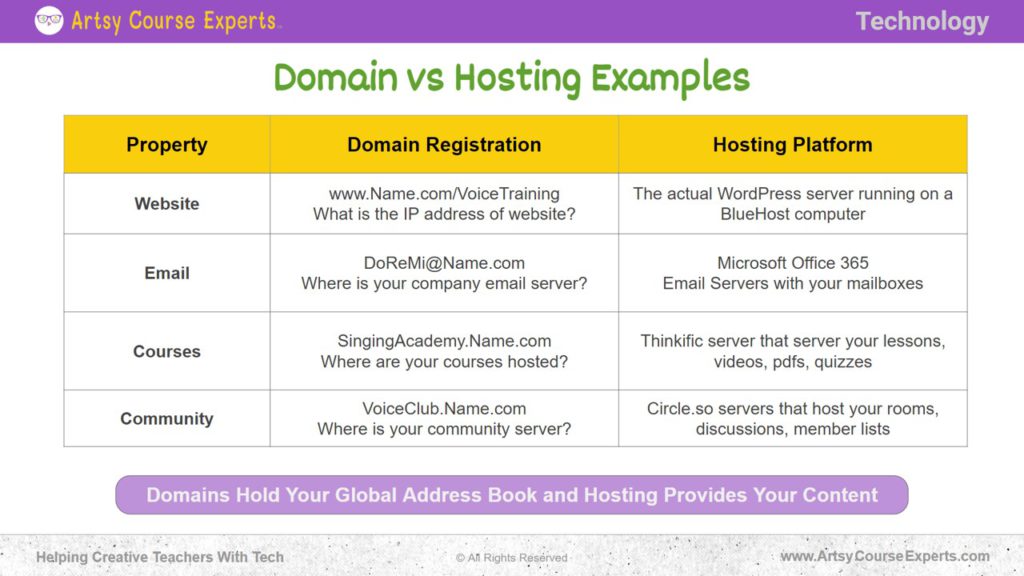
A domain registrar is where you buy and register your website name. It gives you ownership of the domain for a certain period. A web host provides space on a server to store your website files. The host delivers your website to visitors online.
Functionality Comparison
Domain registrars manage domain names and DNS settings. They control where your domain points on the internet. Hosts manage website data, emails, and databases. They keep your website running smoothly and fast.
Separate Or Combined Services
Some companies offer both domain registration and hosting. This can simplify managing your website in one place. Others prefer to register domains and host websites separately. This gives more control and flexibility to website owners.

Credit: designpowers.com
Choosing The Right Domain Register And Host
Choosing the right domain registrar and hosting provider sets the foundation for your website. These choices impact your site’s performance, security, and ease of management. Picking the best options helps avoid future problems and saves time.
Understanding the key factors in domain registration and hosting selection ensures a smooth start. It also helps maintain a strong online presence that grows with your needs.
Factors To Consider For Domain Registration
Choose a registrar with a good reputation. Check for affordable prices and clear terms. Look for easy domain management tools. Ensure they offer domain privacy protection. Confirm they support your preferred domain extensions. Fast customer support is important. Avoid hidden fees or long contract commitments.
Selecting A Reliable Hosting Provider
Pick a host with high uptime and fast speed. Check what security features they offer. Look for scalable plans that grow with your site. See if they provide easy website backups. Reliable customer support should be available 24/7. Consider their server locations for better performance. Choose a host that supports popular software and platforms.
Common Mistakes To Avoid
Don’t choose the cheapest option without checking reviews. Avoid registrars or hosts with poor customer support. Don’t ignore renewal fees and policies. Avoid providers that limit your website’s growth. Don’t skip reading the terms of service. Avoid mixing different registrars and hosts unnecessarily. Don’t delay setting up security features like SSL certificates.
Managing Domains And Hosting Together
Managing your domain and hosting together can simplify your website setup. It keeps control in one place. This helps avoid confusion and saves time. You can easily update settings and manage renewals.
Many web service providers offer both domain registration and hosting. This allows you to handle everything from a single dashboard. It also helps with technical support and billing.
Linking Domain To Hosting
Linking your domain to hosting means connecting your website address to the server. This lets visitors see your website when they type your domain name. You do this by pointing your domain to the hosting server’s IP address.
Usually, your hosting provider gives you the server details. Then, you enter these details in your domain settings. This process is called domain pointing or domain mapping.
Dns Settings Explained
DNS stands for Domain Name System. It acts like an address book for the internet. It translates your domain name into an IP address that computers understand.
DNS settings include records like A, CNAME, and MX. These tell the internet where to find your website and email services. Correct DNS settings are crucial for your website to work properly.
Renewal And Maintenance Tips
Keep track of your domain and hosting expiration dates. Renew them before they expire to avoid downtime. Set up auto-renewal if available.
Regularly check your DNS settings and update them if you change hosting providers. Backup your website files and databases often. This protects your data from loss or damage.
Frequently Asked Questions
What Is A Domain Registrar’s Main Function?
A domain registrar manages the reservation of internet domain names. They allow you to purchase and register your website’s address, ensuring it is unique and yours.
How Does A Web Host Differ From A Domain Registrar?
A web host stores your website files on servers and makes your site accessible online. A domain registrar only manages your website’s name registration.
Can One Company Be Both Registrar And Host?
Yes, many companies offer both services. This simplifies management but you can also choose separate providers for flexibility.
Why Do I Need Both Domain Registration And Hosting?
Domain registration secures your website’s name, while hosting provides the space to publish your site content online.
Conclusion
Understanding the difference between a domain registrar and a host helps you build a website. A domain registrar lets you buy and manage your website name. A host stores your website files and makes them visible online. Both work together but have different jobs.
Knowing this makes choosing the right services easier. It saves time and avoids confusion. Choose wisely to create a smooth website experience for visitors. Simple steps lead to better results.


