
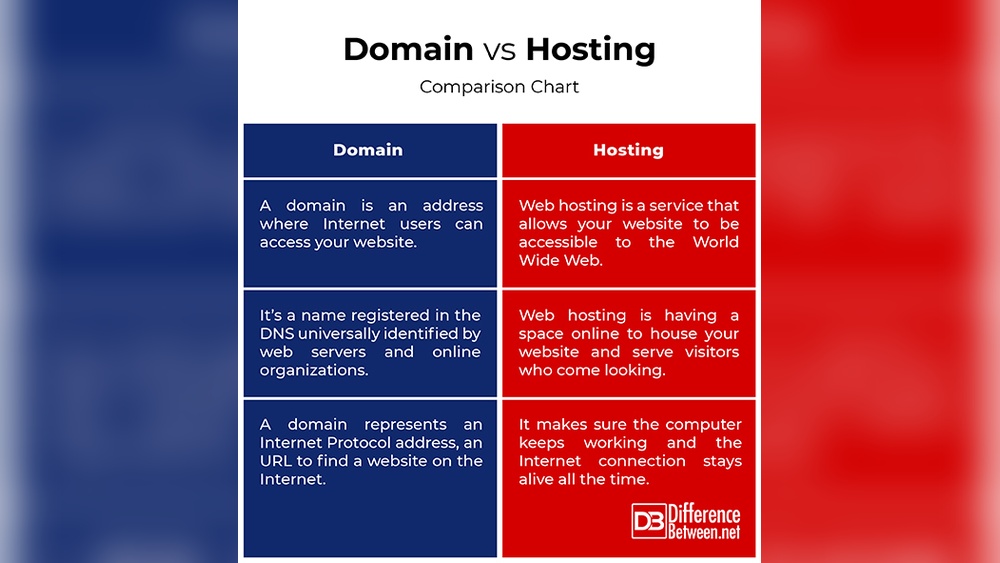
If you’re planning to create a website, you’ve probably come across the terms “domain” and “web hosting.” But do you really know what sets them apart? Understanding the difference between a domain and web hosting is crucial because both play key roles in getting your website online.
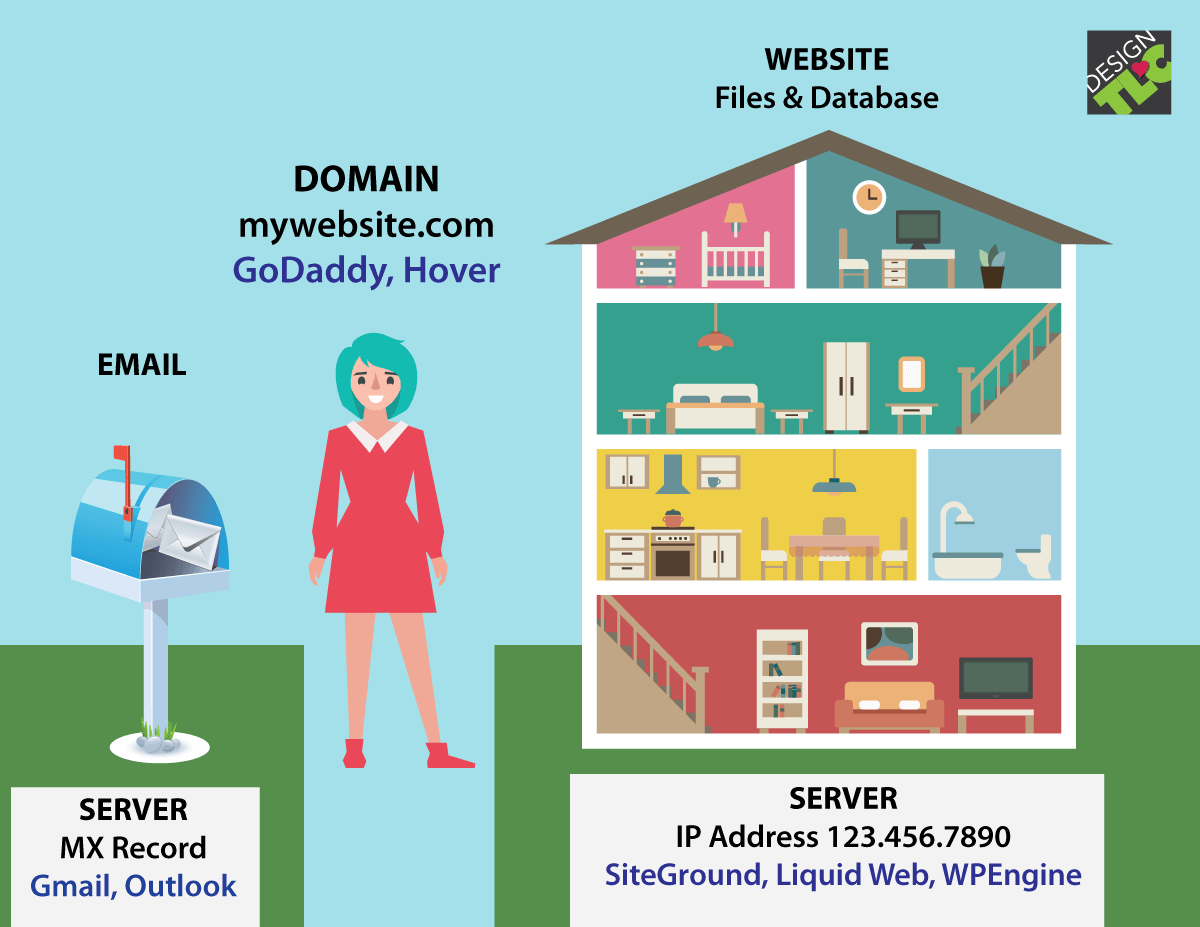
Think of it like this: your domain is your website’s address, while web hosting is the place where all your website’s content lives. Without one or the other, your site simply can’t exist on the internet. Keep reading to discover exactly how these two essentials work together—and why knowing the difference will help you build a stronger online presence.
Credit: designtlc.com
Domain Basics
Understanding domain basics is key to building any website. Domains serve as the online address people type to visit your site. They make internet navigation easy and user-friendly. Without a domain, visitors would need to remember complex IP addresses to find your content.
This section explains what a domain name is, how it works, and offers examples. Knowing these details clears up common confusions. It also shows how domains differ from web hosting.
What Is A Domain Name
A domain name is the unique address of a website on the internet. It replaces long strings of numbers called IP addresses. Domains use easy-to-remember words and extensions like .com or .net. This helps users find websites quickly.
How Domains Work
When someone types a domain name in a browser, it connects to a Domain Name System (DNS). DNS translates the domain into the website’s IP address. This process directs the browser to the correct server. The server then loads the website content for the visitor.
Examples Of Domain Names
Examples include google.com, amazon.com, and wikipedia.org. Each name points to a specific website. The part before the dot is the site’s unique identifier. The part after the dot is the domain extension, indicating the type or location of the site.
Web Hosting Essentials
Web hosting is a key part of creating a website. It provides the space where your website lives on the internet. Without hosting, your website cannot be accessed by users online.
Choosing the right web hosting service affects your site’s speed, security, and reliability. Understanding the basics helps you make better decisions for your website.
What Is Web Hosting
Web hosting is a service that stores your website files on a server. This server connects to the internet 24/7, making your site available to visitors anytime. Hosting providers rent out this space to businesses and individuals.
When someone types your website address, the server delivers your web pages to their browser. This process makes your website visible to the world.
Types Of Web Hosting
There are several types of web hosting, each with different features and costs. Shared hosting is the most common and affordable. Multiple websites share one server, which lowers costs but may reduce speed.
VPS hosting offers more power by splitting a server into virtual machines. Dedicated hosting gives you a whole server, best for large or high-traffic websites. Cloud hosting uses multiple servers to improve uptime and flexibility.
How Hosting Works
Hosting works by storing your website files on a physical server. This server runs software that manages and delivers your site data. When a visitor enters your domain name, the server sends the requested pages.
Servers are always connected to the internet. This connection allows users worldwide to access your website anytime they want. Good hosting ensures fast loading speeds and minimum downtime for your site.
Domain Vs Web Hosting
Understanding the difference between a domain and web hosting is essential for anyone creating a website. Both are key parts of your online presence but serve different roles. Knowing what each one does can help you build and manage your site better.
Key Differences
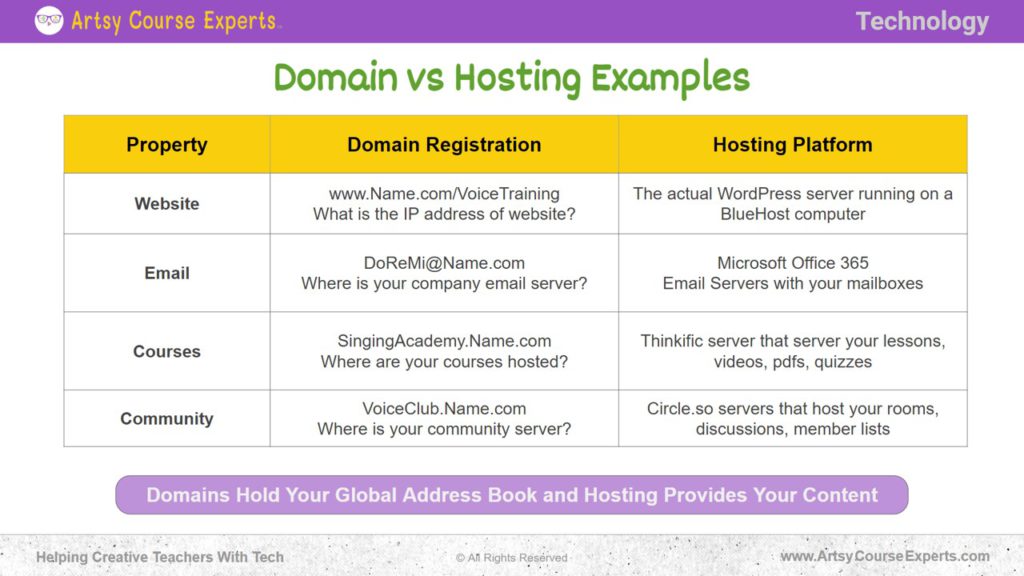
A domain is your website’s address on the internet. It’s what users type to visit your site, like www.example.com. Web hosting is the space where your website’s files are stored. It keeps your site live and accessible to visitors 24/7. Without a domain, people cannot find your site easily. Without hosting, your website cannot appear online.
How They Work Together
The domain and hosting work together to make your website visible. The domain points to the hosting server where your site files live. When someone enters your domain name, it directs their browser to the hosting server. The server then delivers your website content to the user’s screen. Both must be active for your site to function properly.
Common Confusions
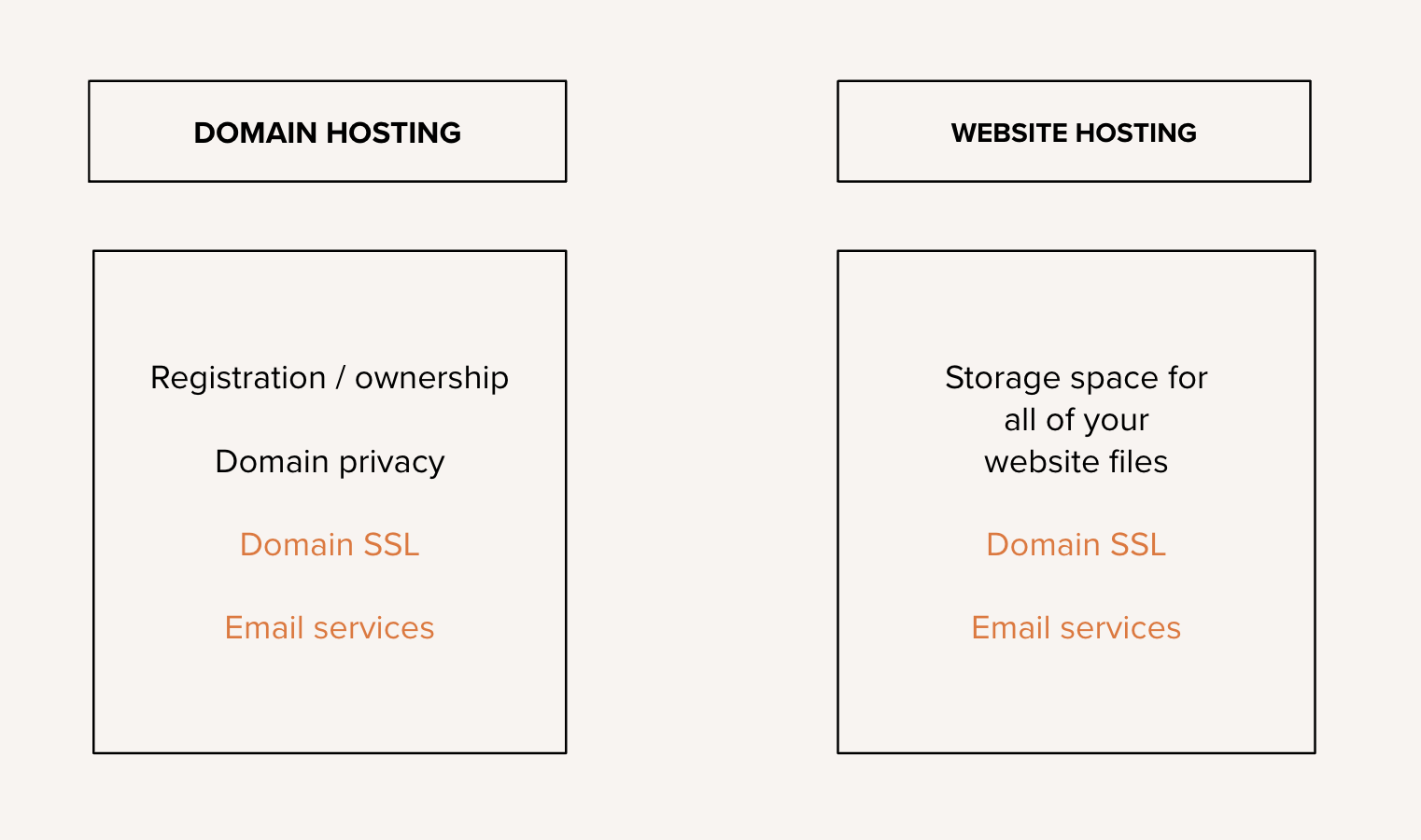
Many confuse domains with hosting because they are linked. Some think buying a domain means having a website online. Others believe hosting includes owning the website address. Domains and hosting are bought separately but can come from the same company. Remember, a domain is the address; hosting is the space for your website files.
Credit: thedesignspace.co
Choosing Domain And Hosting
Choosing the right domain and hosting is the first step to building a website. Both play key roles but serve different purposes. A domain is your website’s address on the internet. Web hosting is the service that stores your website’s files and makes them accessible online. Picking the right options ensures your site runs smoothly and is easy for visitors to find.
Buying Domains
Buy a domain that is short, clear, and easy to remember. Use simple words that relate to your brand or topic. Check if the domain name is available through domain registrars. Avoid special characters or long names that confuse visitors. Pick a domain extension like .com, .net, or .org based on your audience.
Selecting Hosting Services
Choose hosting based on your website’s size and traffic needs. Shared hosting is affordable and good for small sites. For larger sites, consider VPS or dedicated hosting for better speed and control. Look for hosting with high uptime, fast servers, and good customer support. Make sure it supports the website platform you plan to use.
Benefits Of Bundled Services
Buying domain and hosting together saves time and effort. Many providers offer discounts when you bundle these services. It simplifies management with one control panel for both. Bundled services often include extra features like SSL certificates and email accounts. This option helps keep your website setup organized and hassle-free.
Managing Domains And Hosting
Managing domains and web hosting is essential for running a website smoothly. These two components work together but require different care. Domains are the website’s address on the internet. Hosting is the space where the website files live. Proper management ensures your site stays live and accessible to visitors.
Keeping both your domain and hosting in good shape avoids downtime and loss of visitors. Regular attention to settings, renewals, and upgrades helps maintain site security and performance. Here are practical tips for managing your domain and hosting effectively.
Domain Management Tips
Choose a reliable domain registrar for your website address. Keep your contact information up to date with the registrar. Use a strong password and enable two-factor authentication. Protect your domain with privacy settings to hide personal details. Regularly check your domain status to avoid accidental expiration. Set up domain forwarding or subdomains if needed. Keep track of your domain’s expiration date and renew on time.
Hosting Maintenance
Pick a hosting provider that fits your website needs. Monitor your hosting server’s uptime and speed. Backup your website files regularly to avoid data loss. Keep your website software and plugins updated for security. Use security tools like firewalls and malware scanners. Check your hosting control panel for resource usage and errors. Clean out unnecessary files to save space and improve speed.
Renewals And Upgrades
Renew your domain and hosting before they expire to keep your website live. Set reminders for renewal dates to prevent lapses. Review your hosting plan as your website grows. Upgrade your hosting plan if your site needs more space or bandwidth. Consider SSL certificates for better security and trust. Update payment details to avoid failed renewals. Look for discounts or bundled offers during renewal time.
Popular Providers
Choosing the right provider for your domain and web hosting is important. Many companies specialize in one service, while others offer both. Understanding popular providers helps you make a smart choice for your online presence.
Domain Registrars
Domain registrars sell and manage website addresses. They let you buy and register domain names easily. Popular domain registrars include Namecheap, Google Domains, and GoDaddy. These companies offer simple tools to find and secure your desired domain. They also provide domain privacy and DNS management features.
Hosting Companies
Hosting companies store your website files and keep them online. They provide server space and bandwidth to make your site accessible. Well-known hosting providers include Bluehost, SiteGround, and HostGator. They offer different plans based on your site’s size and needs. Many hosting companies also provide easy website builders and security options.
Notable Combined Services
Some companies offer both domain registration and web hosting. This makes managing your website easier. GoDaddy and Bluehost are examples of combined services providers. They let you buy a domain and host your site in one place. This can save time and reduce technical hassle for beginners.
Credit: www.artsycourseexperts.com
Frequently Asked Questions
Are Web Hosting And Domain The Same?
Web hosting stores your website’s files online. A domain is your website’s address visitors type to access it. They serve different roles.
What Is An Example Of A Domain And Hosting?
An example of a domain is www. example. com. An example of hosting is Bluehost, which stores website files online.
Is Godaddy A Domain Or Hosting?
GoDaddy offers both domain registration and web hosting services. You can buy domains and host websites with GoDaddy.
What Is The Difference Between A Website And A Domain?
A domain is your website’s address on the internet. A website is the collection of web pages visitors see using that address.
Conclusion
A domain name is your website’s unique address online. Web hosting stores your website’s files on a server. Both work together to make your site accessible. You cannot have a website without web hosting. A domain without hosting shows no content to visitors.
Understanding this difference helps you build your online presence. Choose the right domain and hosting to fit your needs. Simple steps lead to a successful website launch. Keep these basics clear for easier website management.


