
Have you ever wondered why you need both a web domain and hosting to create a website? You’re not alone.
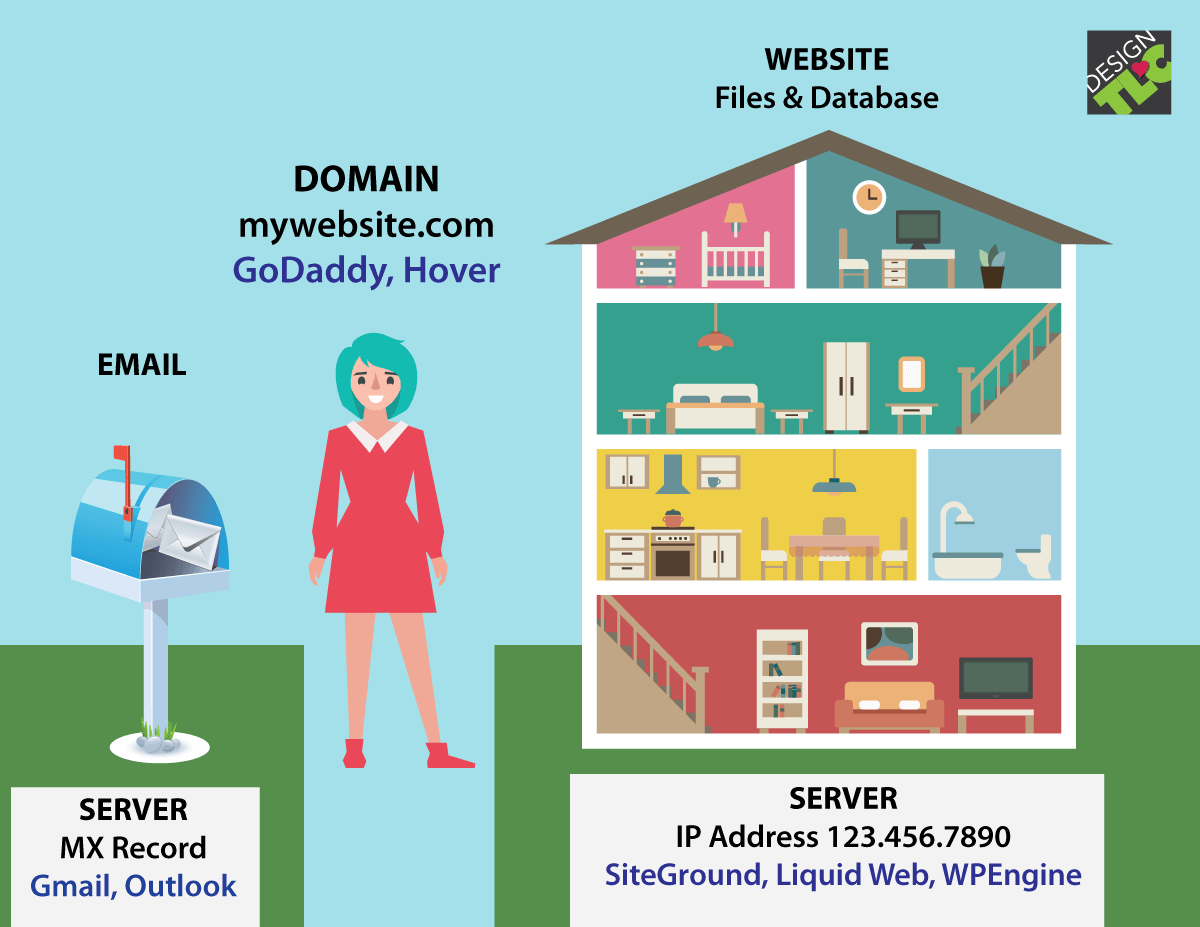
Many people find these terms confusing and often use them interchangeably. But here’s the catch: understanding the difference between a web domain and hosting is crucial if you want to build a successful online presence. Imagine your website as your dream home.
Your web domain is the address, making it easy for people to find you, while hosting is the land where your house is built. Without one, the other is useless. Intrigued? Let’s dive deeper to explore how these elements work together to bring your website to life. By the end of this article, you’ll have a clear picture and be ready to make informed decisions for your online ventures.
Web Domain Basics
A domain name is like your website’s address. It helps people find you on the internet. Think of it like a street address for your house. Each domain name is unique. This means no two websites can have the same name.
Domain names make browsing the web easy. They replace complicated IP addresses. People remember words better than numbers. So, a domain name is like a nickname for your site. It helps people find you quickly.
Domain extensions are the end part of a domain name. Examples include .com, .org, and .net. Each extension has a purpose. .com is for commercial sites. .org is for organizations. .net is for networks. These extensions help users understand your site’s purpose.
Credit: designtlc.com
Hosting Fundamentals
Understanding hosting fundamentals involves knowing the difference between a web domain and hosting. A web domain is your site’s address, like a street name. Hosting is where your website’s files live, like a house on that street. Both are essential for a functional website.
Purpose Of Web Hosting
Web hosting lets your site show on the internet. It gives your site a home. Without hosting, no one can see your site. The host keeps your site files on its servers. This way, people can visit your site anytime. Think of it as renting space for your site.
Types Of Web Hosting
- Shared Hosting: Many sites share one server.
- VPS Hosting: A server is split into smaller parts.
- Dedicated Hosting: Your site gets its own server.
- Cloud Hosting: Uses many servers for more flexibility.
Hosting Features
Bandwidth is how much data your site can handle. Storage is the space for your site files. A control panel helps manage your site. Some hosts offer security features like firewalls. Customer support is also important. It helps fix issues quickly.
Key Differences
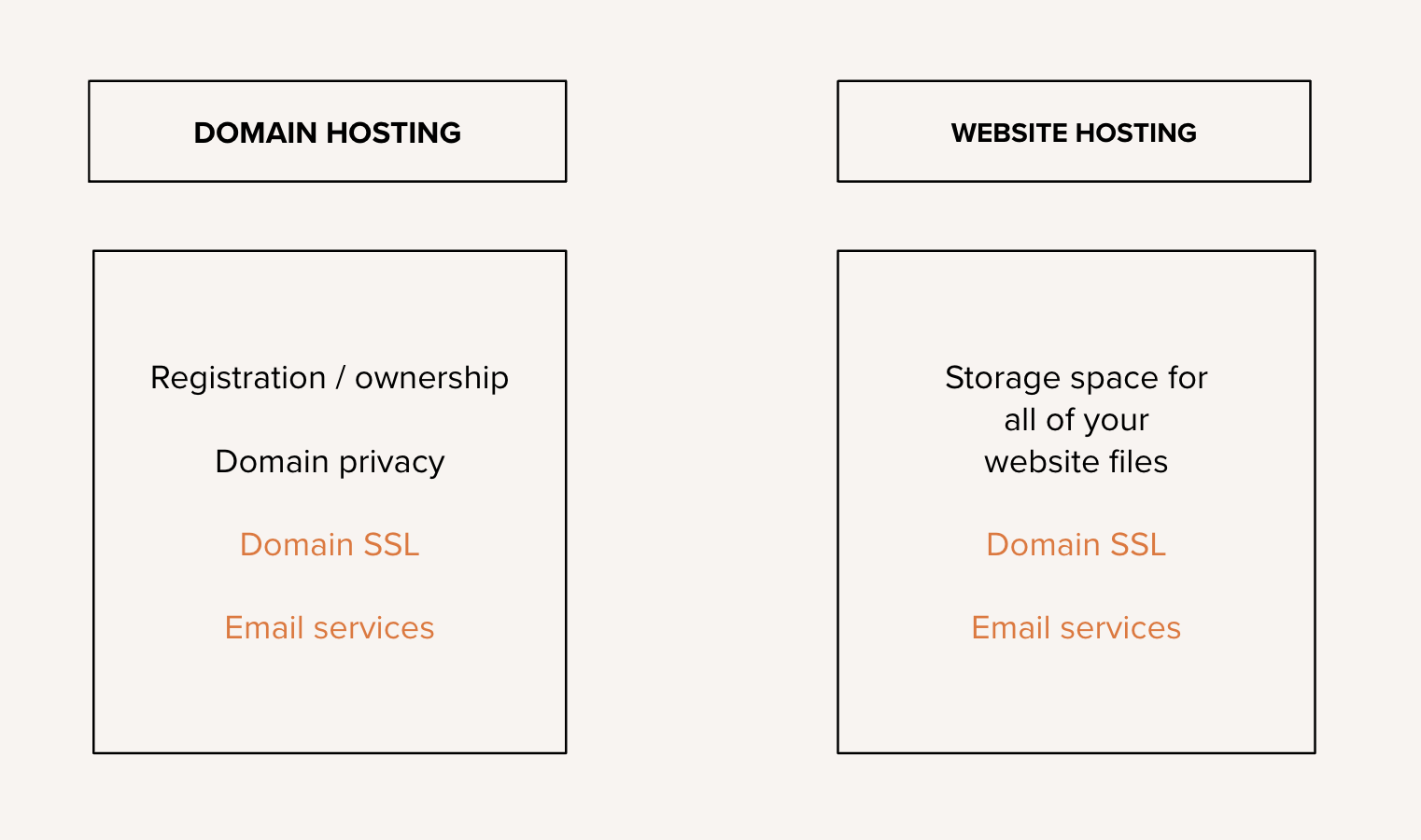
A web domain is like a home’s address. It tells people where to find your site online. Hosting is like the land where your house stands. It stores your website’s files. Domains are for location. Hosting is for storage. Together, they make your site visible and functional.
Domains use DNS to link names with IP addresses. Hosting uses servers to keep your site’s data safe. Domains need renewal every year. Hosting offers various plans. These plans affect speed and storage. Hosting requires more technical support.
Domains are cheaper than hosting. You buy domains once a year. Hosting costs depend on the plan. Shared hosting is less expensive. Dedicated hosting costs more. Consider your needs when choosing plans. Costs vary based on features and support.
Choosing The Right Services
Picking a domain provider is very important. This provider helps you get a unique name for your website. Some providers offer extra services. These include privacy protection and email forwarding. Compare prices and features before deciding. Look for easy-to-use tools. Make sure you can manage your domain easily. A good provider will offer support if you have questions.
Hosting plans store your website on the internet. They keep your site online for visitors. Choose a plan based on your site’s size and needs. Some plans offer unlimited storage. Others provide better speed. Think about security features. Make sure your site stays safe. Check if they have customer support. This helps if you face problems.
Important factors include cost, features, and reliability. Budget is key. Find a service that fits your money plan. Look for features like backups and updates. These keep your site fresh and safe. Reliability matters too. You want your site up and running always. Choose a service with good reviews. Happy customers mean good service.
Common Misconceptions
Some people think domains are websites. A domain is just a name. It is like an address for a house. The website is the house itself. Domains do not store websites. They only point to them. Websites live on servers. Domains help users find these websites easily. Domains end in .com, .net, or other extensions. They are not files or pages.
Hosting is not the same as a domain. Hosting stores your website. It keeps the files safe on a server. Hosting is like renting space for your website. Without hosting, no one can see your website online. Hosting does not include the domain. You need both to have a complete website. Hosting provides the tools needed for your site to work.
Domains and hosting work together but are different. A domain is the name people type to find your site. Hosting is the space where your site lives. You need both to have a website. Domains and hosting are like a phone number and a phone. One finds the site, and one shows the site. They are connected but not the same.

Credit: www.want2host.com
Future Trends
Understanding the distinction between a web domain and hosting is crucial for online presence. A web domain is like your website’s address, while hosting is the space where your website files reside. These elements work together to make your site accessible to users worldwide.
Evolution Of Domain Services
Domains are getting smarter. AI tools help pick the best names. Search engines love short, clear domains. New domain endings, like `.tech` or `.guru`, are popular. These endings show what a site is about. Security is improving too. Now, domains can have extra protection. This keeps sites safe from hackers.
Advancements In Hosting Technology
Hosting is faster now. Cloud hosting is very popular. It makes sites load quickly. This is important for users. Security is better too. Hosts are adding more layers of protection. This keeps websites safe from attacks. Green hosting is a new trend. It helps the earth by using less energy.
Impact On Web Development
Websites are changing. New tools make them easy to build. Developers use smart programs to make sites faster. Sites are more interactive now. Users can do more on them. Mobile-friendly design is key. More people use phones to browse. This means sites must work well on small screens.
Credit: thedesignspace.co
Frequently Asked Questions
Are Domain And Web Hosting The Same?
Domain and web hosting are not the same. A domain is your website’s address, like www. example. com. Web hosting is the service storing your website’s files. Both are needed to make your site accessible online.
Do You Need Hosting If You Have A Domain Name?
Yes, you need hosting to make your website visible online. A domain name is just the website address. Hosting stores your site’s files and makes them accessible on the internet. Without hosting, your domain cannot display any content or webpages.
Secure a reliable hosting service for optimal website performance.
What Is An Example Of A Domain And Hosting?
A domain example is “example. com”, while hosting refers to services like Bluehost or SiteGround providing server space for your website.
Can A Domain Work Without Hosting?
A domain alone can’t display a website without hosting. Hosting stores your site’s files, making them accessible online. Domains and hosting work together to make your website visible.
Conclusion
Understanding the difference between a web domain and hosting is crucial. A domain is your website’s address. Hosting is the space where your website lives. Both are essential for a functioning website. Without a domain, users can’t find your site.
Without hosting, your site can’t exist online. Choosing the right services is key. Ensure they fit your needs and budget. This knowledge helps in making informed decisions. Your website’s success depends on it. So, take time to choose wisely. Make sure your online presence is strong and reliable.


