
Have you ever wondered what makes your favorite websites appear instantly when you type their names? The answer lies in something called domain hosting.
Understanding what domain hosting means can unlock the mystery behind how websites live on the internet. If you want to take control of your online presence or simply satisfy your curiosity, this article will guide you through the basics in a clear and simple way.
Keep reading, and you’ll discover exactly how domain hosting works and why it matters to you.
Domain Hosting Basics
Domain hosting is a key part of getting a website online. It connects your website name to a physical server. This makes your site visible on the internet. Understanding the basics helps you choose the right service.
Domain hosting is simple but important. It links your domain name to the place where your website files live. Without it, people cannot find your site.
What Domain Hosting Means
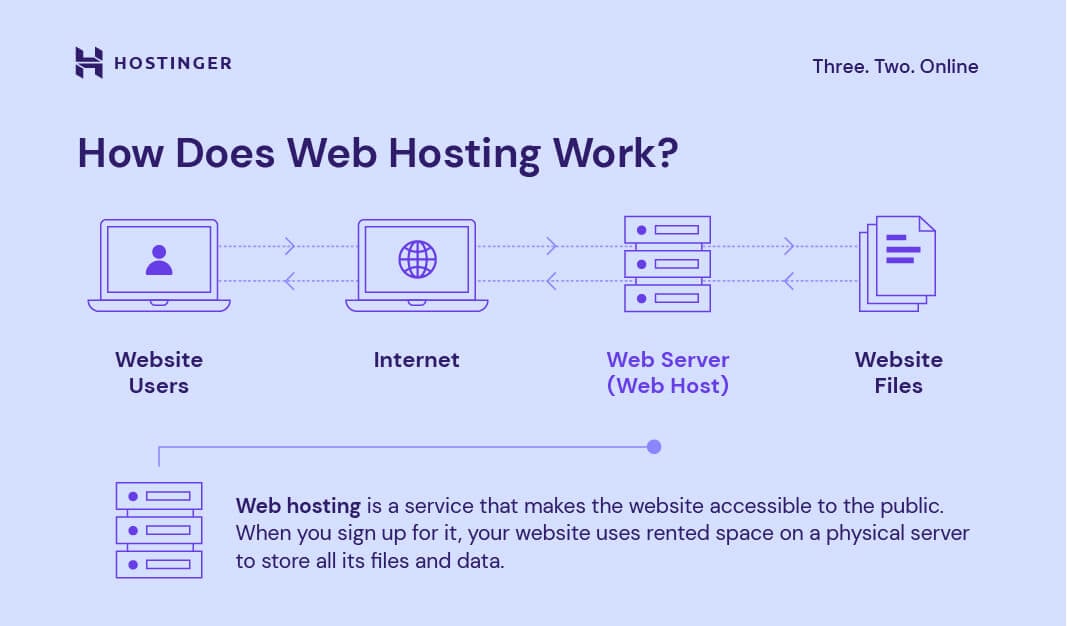
Domain hosting means storing your website on a server. This server holds all your site’s files and data. When someone types your domain name, the server sends the website to their browser.
The domain name is like your site’s address. Hosting is like the building where your site lives. Both work together to make your site easy to find.
How Domain Hosting Works
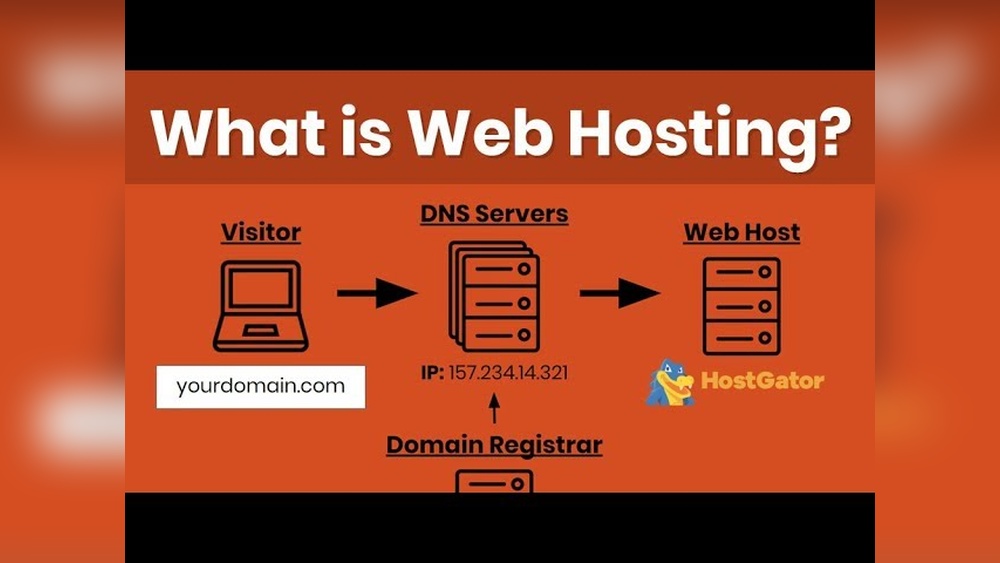
When you register a domain, you choose a name for your website. Domain hosting links this name to the server’s IP address. This address tells the internet where your site is located.
Visitors enter your domain name in their browser. The browser asks the hosting server for your website files. The server sends the files back to display the site.
This process happens quickly, so the website loads fast. Reliable hosting ensures your site is always available online.
Types Of Domain Hosting
Domain hosting comes in different types. Each type serves a unique purpose. Choosing the right hosting type affects your website’s speed, security, and cost. Understanding these types helps you pick the best fit for your needs.
Shared Hosting
Shared hosting means many websites share one server. It is the cheapest option. Ideal for small websites or beginners. Resources like memory and bandwidth are divided. This can slow your site if traffic grows.
Vps Hosting
VPS stands for Virtual Private Server. It splits one physical server into many virtual servers. Each website gets its own space and resources. Better performance and control than shared hosting. Suitable for medium-sized websites.
Dedicated Hosting
Dedicated hosting gives you a whole server for your website. No sharing with others. It offers the best speed and security. More expensive but highly reliable. Perfect for large websites with heavy traffic.
Cloud Hosting
Cloud hosting uses many servers working together. Your website runs on multiple servers at once. This offers high uptime and flexibility. You pay for only the resources you use. Great for websites that grow fast or have variable traffic.
Choosing A Domain Host
Choosing a domain host is a key step in setting up a website. It affects your site’s speed, security, and uptime. A good domain host makes your site reliable and easy to find online.
Many options exist, so focus on what matters most. Think about features, cost, and support to pick the best host for your needs.
Key Features To Look For
Look for fast loading speeds to keep visitors happy. Security features like SSL certificates protect your site. Easy domain management tools help you control settings. Backup options keep your data safe. Check if the host supports popular website builders.
Pricing And Plans
Compare prices but watch for hidden fees. Some hosts offer low starting rates but high renewal costs. Choose a plan that fits your budget and site size. Look for flexible plans that allow upgrades as your site grows.
Customer Support Importance
Good support solves problems quickly. Check if support is available 24/7 by chat, phone, or email. Helpful support guides and FAQs can save time. Friendly and clear support makes website management easier.
Credit: www.techtarget.com
Setting Up Domain Hosting
Setting up domain hosting is an essential step for creating a website. It involves connecting your website’s address to the place where your site files live. This process makes your website accessible to everyone on the internet.
Understanding the steps helps you avoid confusion and errors. It also ensures your website runs smoothly and stays online.
Registering A Domain Name
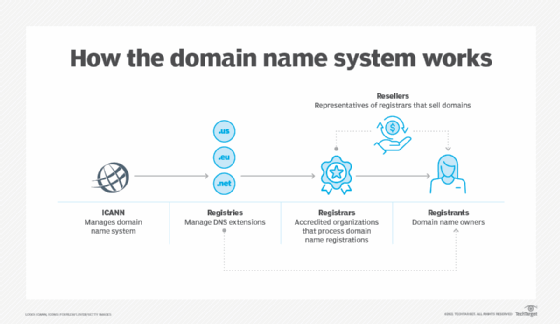
Start by choosing a domain name that fits your site. It should be easy to remember and type. Use a domain registrar to buy your chosen name. This purchase gives you the right to use the name for a certain time. Keep your registration details updated to avoid losing your domain.
Linking Domain To Hosting
After registering, connect your domain to your hosting provider. This step tells the internet where to find your website files. Usually, this means entering your hosting provider’s nameservers into your domain settings. This connection is crucial for your website to load properly.
Managing Dns Settings
DNS settings control how your domain works on the internet. You may need to add or change records like A, CNAME, or MX records. These records point your domain to the right servers. Managing DNS correctly helps with email setup, security, and site speed.
Common Issues In Domain Hosting
Domain hosting is essential for websites to be accessible online. Many users face common problems that affect website performance and control. Understanding these issues helps in choosing the right hosting service. Here are some frequent challenges in domain hosting.
Downtime And Reliability
Downtime means the website is offline or unreachable. It can cause loss of visitors and trust. Reliable hosting providers keep downtime very low. Check uptime guarantees before selecting a host. Frequent downtime harms your site’s reputation.
Security Concerns
Websites can face hacking and malware attacks. Weak security in hosting puts your data at risk. Choose hosts with strong firewalls and regular backups. Secure hosting protects both the site owner and visitors.
Renewal And Expiration
Domain names need regular renewal to stay active. Missing renewal dates can cause domain loss. This stops your website from working. Set reminders for renewal or enable auto-renewal. Keep your domain registration current to avoid issues.
Credit: www.hostinger.com
Future Trends In Domain Hosting
The future of domain hosting is evolving fast. New technologies and changing user needs shape the way hosting services develop. Businesses and individuals will see many improvements in speed, security, and flexibility. Understanding these trends helps you stay ahead.
Emerging Technologies
Artificial intelligence and automation are becoming part of hosting. AI can manage servers and fix problems quickly. Automation reduces human errors and speeds up processes. These technologies help hosts provide better uptime and reliability.
Impact Of Cloud Services
Cloud hosting grows in popularity due to its flexibility. It allows users to scale resources up or down easily. Cloud services offer better performance and lower costs. More companies will move their domains to the cloud for these reasons.
Increasing Security Measures
Security is a top priority in domain hosting. New protocols protect against cyberattacks and data breaches. Hosts use encryption and multi-factor authentication to keep sites safe. Expect stronger security tools to become standard in the future.

Credit: www.easysite.com
Frequently Asked Questions
What Is Domain Hosting In Simple Terms?
Domain hosting refers to storing your website’s files on a server linked to your domain name. It makes your site accessible online via that domain.
How Does Domain Hosting Work With A Website?
Domain hosting connects your domain name to server space. When users enter your domain, the server delivers your website’s content to their browser.
Why Is Domain Hosting Important For Websites?
Domain hosting ensures your website is available 24/7. It provides storage, security, and accessibility, essential for reliable online presence.
Can I Host A Domain Without A Website?
Yes, you can host a domain without a website. It allows email services or domain forwarding without hosting site files.
Conclusion
Domain hosting means storing your website files on a server. It helps people access your site online anytime. Choosing the right host affects your website speed and security. A good host keeps your site live without interruptions. Understanding domain hosting makes building websites easier.
Start with clear knowledge, and your site will run smoothly. Simple and reliable hosting supports your online goals well.


