
Have you ever wondered about static web hosting and how it can benefit your website? Imagine having a platform that offers faster loading times and enhanced security with minimal effort.
Static web hosting might just be the solution you’ve been looking for. It’s designed to serve your site efficiently, ensuring that your visitors have a seamless experience every time they click. As you dive into this article, you’ll discover the advantages of static web hosting, why it stands out, and how it can simplify your online presence.
Keep reading to unlock the potential of your website with static hosting and take control of your digital space.
Credit: www.pulumi.com
Static Web Hosting Basics
Static web hosting is a simple way to host websites. It serves fixed content to users. Pages don’t change unless edited. This type of hosting is easy to set up. It is cost-effective and fast in loading. No server-side processing is needed. HTML, CSS, and JavaScript files are used. These files are stored on a server. Users can access them directly. Static hosting is ideal for small sites or blogs. It provides a stable experience for visitors.
Static hosting offers quick loading times. It is more secure than dynamic hosting. There are fewer risks of hacking. Maintenance is simple and hassle-free. You can save money with this hosting. It is cheap compared to others. Many platforms support static hosting. You get reliability and efficiency. It is great for sites with less content. Static hosting is an excellent choice for beginners.
How Static Web Hosting Works
Static web hosting uses simple files. These files are HTML, CSS, and JavaScript. The files do not change. They stay the same. This makes them easy to load. The server sends the files to the user. No backend code runs.
Static websites load very fast. This is because they are simple. No database calls happen. Users see the content quickly. This helps with SEO. Fast loading improves user experience. Search engines love fast sites.
Static sites have fewer security risks. There is no database to hack. No complex code runs on the server. This makes them safer. They are easy to protect. Many developers choose static for this reason.
Advantages Of Static Hosting
Static hosting offers fast loading times. Websites load quickly. No server delays occur. Speed improves user experience. Pages are delivered in seconds. High performance makes websites enjoyable. Visitors stay longer. Search engines prefer fast sites. Better SEO rankings are achieved.
Static websites have fewer security risks. No database vulnerabilities exist. Hackers find it hard to breach. Less code means fewer bugs. Content stays safe. Users trust secure sites. Data protection is reliable. Peace of mind for site owners.
Static hosting is affordable. Low maintenance costs. Hosting fees are cheaper. No need for complex software. Easy setup saves money. Budget-friendly for small businesses. Perfect for startups. Spend less on web infrastructure. More resources for growth.
Common Use Cases
Static web hosting is perfect for personal websites. They are easy to create and maintain. You can share your hobbies or interests with others. There is no need for complex coding. Just simple HTML and CSS can do the job.
Many people use static hosting for portfolio sites. These sites show your work or projects. They load quickly and are secure. This makes them ideal for artists, designers, and developers. Present your best work with ease.
Static hosting is also great for documentation pages. It keeps your information organized. Users can find what they need quickly. This is important for software projects. Good documentation helps users and developers alike.
Popular Static Hosting Platforms
GitHub Pages is a free static hosting service. It allows you to host websites directly from your GitHub repository. This makes it easy for developers to share their projects. You can use HTML, CSS, and JavaScript to build your site. Setting up is simple and fast. Ideal for personal projects and small sites.
Netlify offers fast and reliable static hosting. It provides features like continuous deployment and serverless functions. Users can preview changes before they go live. It supports various frameworks and tools. Easy to use for beginners and experts alike. Free tier available with paid options for more features.
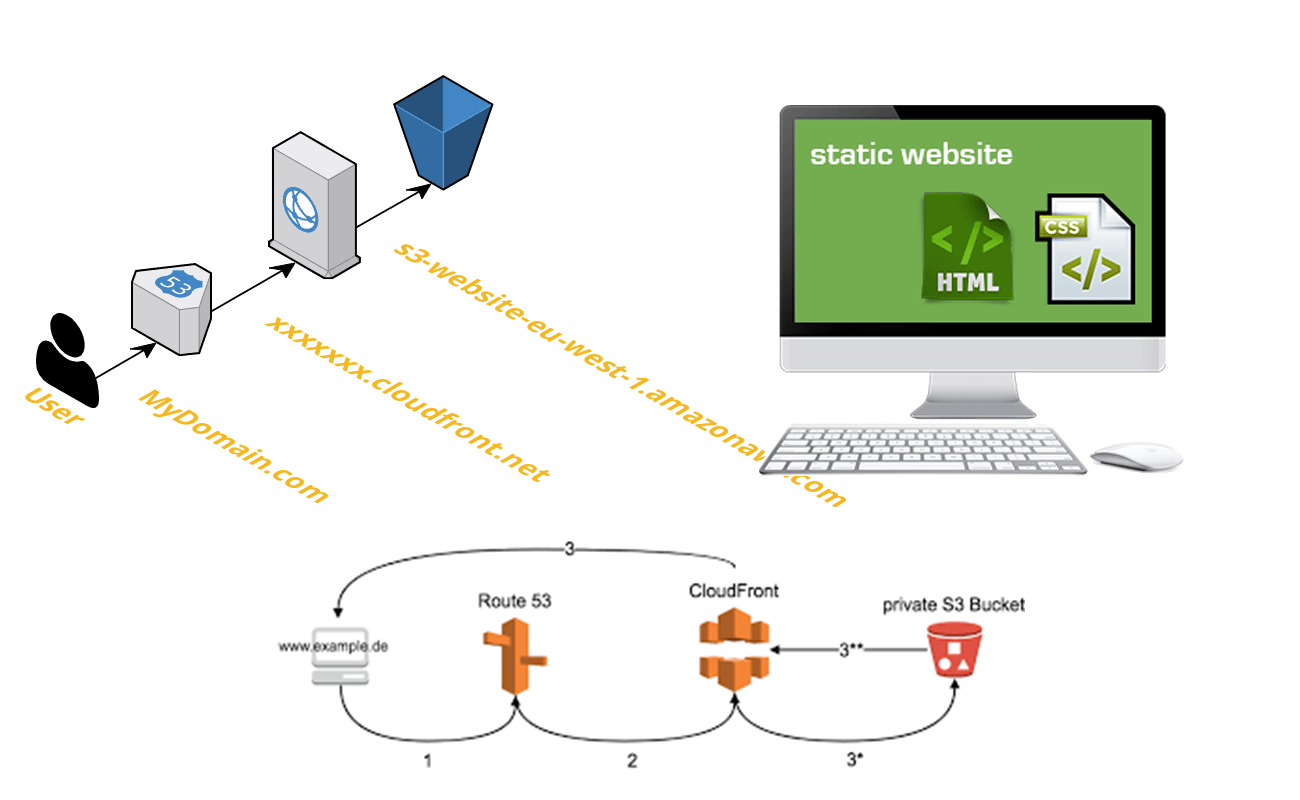
Vercel is known for its speed and simplicity. It supports modern web technologies and frameworks. Deployment is quick with real-time updates. Vercel offers global CDN distribution. Perfect for developers focused on performance. Free plan available with premium options for advanced features.
Credit: www.aws.ps
Setting Up Static Web Hosting
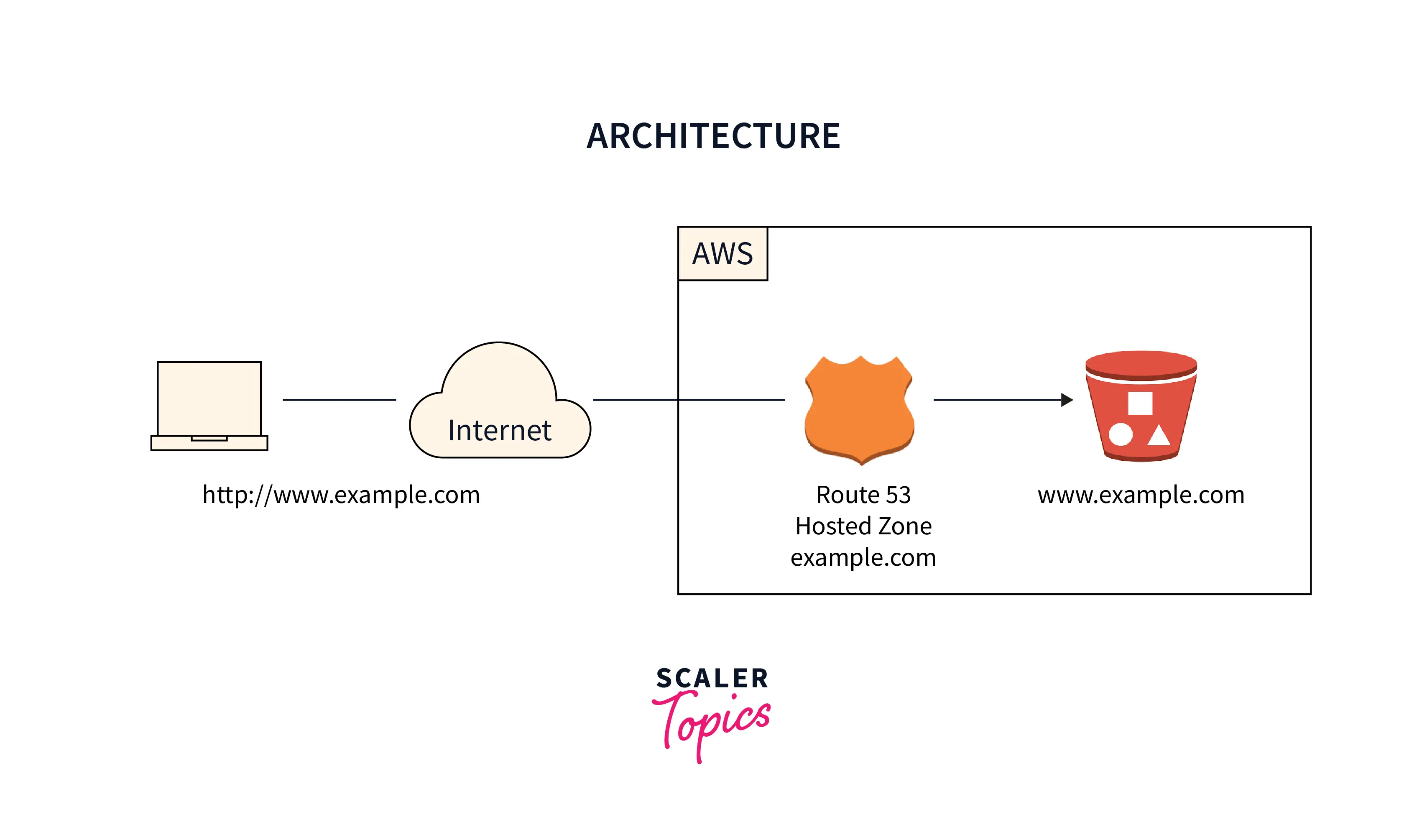
Finding the right platform is key. Platforms like GitHub Pages and Netlify are popular. They host static sites for free. Consider their features. Look at ease of use. Check if they support custom domains. Review their storage limits. Ensure they offer security. Choose one that fits your needs.
Deploying is easy with static hosting. Use simple tools. Drag and drop files onto the platform. Or use commands in a terminal. Platforms often have guides. These guides help you step by step. Once deployed, your site is live. It’s fast and reliable. No server-side processing needed. Just pure HTML, CSS, and JavaScript.
Updates are a breeze. Edit your local files first. Push changes to the platform. This can be automated. Tools like Git help sync changes. Keep your site current. Regular updates keep users happy. Ensure your content is fresh. Always test before deploying. This prevents broken links or errors.
Tips For Optimizing Static Sites
Static web hosting serves fixed content directly to the user. Optimizing involves minimizing file sizes for faster loading. Use compressed images and efficient coding to enhance performance.
Using Cdn
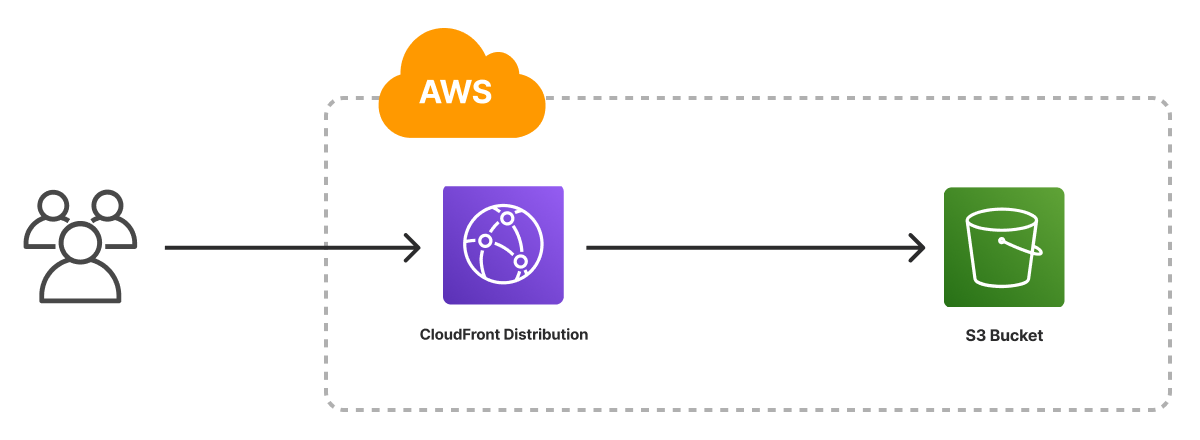
A Content Delivery Network (CDN) makes websites load fast. It stores copies of your site on many servers. These servers are all over the world. When users visit your site, they get data from the closest server. This reduces loading time and makes your site faster. Faster sites are better for users. They also help with SEO. CDNs also provide security. They help protect your site from attacks.
Image Optimization
Images should be small in size. This makes them load quickly. Use formats like JPEG or PNG. These keep quality while reducing size. Tools like TinyPNG can help. Resize images to fit your site. Do not use big images for small spaces. This saves space and speeds up load times. Fast loading images improve user experience. They also help with ranking on search engines.
Minifying Code
Minifying means making code smaller. Remove extra spaces and comments. This makes code load faster. Use tools like Minify or UglifyJS. They help shrink your code. Smaller code loads quicker. This improves the site speed. Fast sites are better for visitors. They also rank better in search engines. Fast code also saves bandwidth. This can lower hosting costs.
Credit: www.scaler.com
Challenges And Limitations
Static web hosting presents challenges like limited interactivity and dynamic content. Managing updates is also cumbersome without automated tools.
Dynamic Content Restrictions
Static web hosting supports simple websitesstatic site shows the same content to everyone. It lacks the ability to update itself. It can’t offer personalized experiences. Dynamic content like user profiles or comments is not supported. For that, sites need dynamic hosting. Static hosting is great for basic websites. It struggles with complex tasks. Dynamic features require extra tools or hosting types. Static hosting is limited in this way. It’s perfect for basic tasks only.
Scalability Issues
Static web hosting faces growth challenges. It handles limited traffic well. Large traffic can slow the site. It might crash if too many users visit at once. Scalability becomes a problem during peak times. Static sites don’t adjust easily. They can’t expand automatically. Adding more resources is difficult. They need manual adjustments. Static hosting works best for small audiences. Large traffic needs dynamic solutions. It’s important to choose hosting wisely.
Future Of Static Web Hosting
Technology is getting better each year. This means web hosting is also improving. Static web hosting is now very fast. New tools make it even easier. Developers use modern frameworks to build sites quickly. They also use advanced tools to manage content. This makes static hosting a popular choice.
Static sites can now work with dynamic services. This means they can show live data. Services like APIs help in this. They bring real-time data to static sites. This is great for blogs and news sites. It helps them stay up-to-date. This integration makes static hosting more flexible. Many developers choose it for its simplicity and speed.
Frequently Asked Questions
What Does Static Web Hosting Mean?
Static web hosting delivers fixed content without server-side processing. It serves HTML, CSS, and JavaScript files. Ideal for simple websites, it offers faster load times and enhanced security.
What Is The Difference Between A Static And Dynamic Web Hosting Site?
Static hosting serves fixed content without server-side processing, offering faster load times. Dynamic hosting delivers interactive content, generating pages in real-time using databases. Static hosting suits simpler sites, while dynamic hosting supports complex applications. Static sites have limited interactivity, whereas dynamic sites provide personalized user experiences.
What Is The Purpose Of A Static Website?
A static website serves to display fixed content without server-side processing. It ensures faster loading speeds and enhanced security. Ideal for portfolios and informational sites, it offers easy maintenance and cost-effectiveness. Static websites provide a seamless browsing experience with minimal hosting requirements, making them suitable for small businesses.
Who Needs A Static Website?
Small businesses, personal blogs, and portfolios benefit from static websites. They require low maintenance and load quickly. Static sites are ideal for showcasing services or information without frequent updates. They offer cost-effective solutions for straightforward online presence, ensuring fast performance and enhanced security.
Conclusion
Static web hosting offers simplicity and speed. Perfect for small websites. It serves up pages quickly. No complex server setup needed. Ideal for blogs or portfolios. Easier to manage than dynamic hosting. Costs are generally lower. Site loads faster, improving user experience.
Secure and reliable hosting option. Many providers offer static hosting plans. Choose wisely based on your needs. Understand your website goals. Opt for static hosting for straightforward projects. It’s a practical solution for many. Explore the benefits for your site.
Static hosting can be a valuable choice.


