
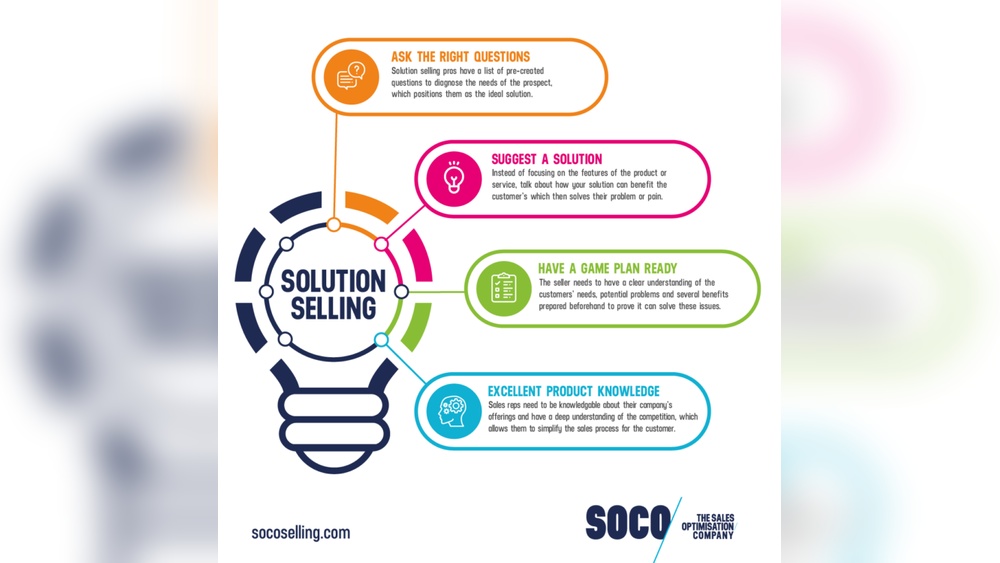
If you’ve ever felt frustrated by sales pitches that focus only on products, you’re not alone. What if the salesperson actually listened to your problems and crafted a solution just for you?
That’s exactly what solution sales is all about. It’s a smarter way to sell—one that puts your needs first and builds a tailored answer to your challenges. Whether you’re in tech, healthcare, or finance, understanding solution sales can transform how you buy and sell.
Keep reading to discover how this approach works and why it might be the key to solving your toughest business problems.
Basics Of Solution Sales
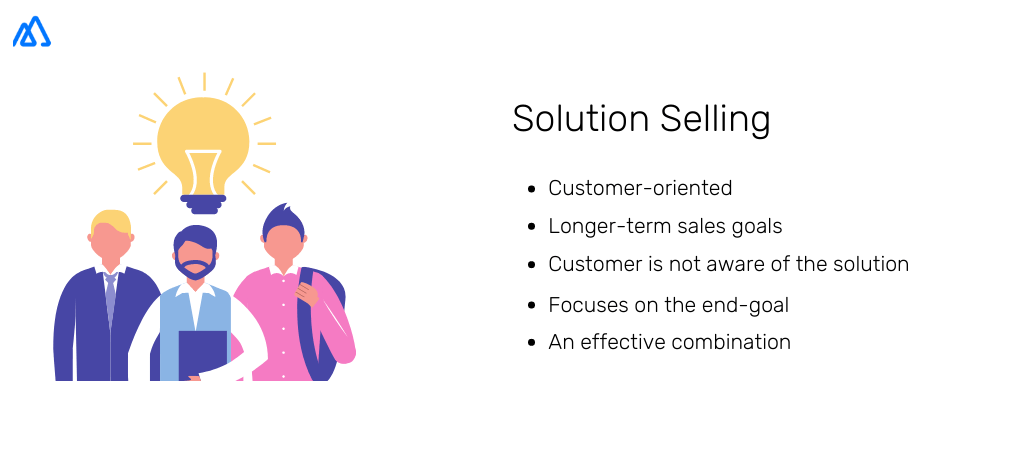
Solution sales is a method focused on solving a customer’s problem. It goes beyond selling a product or service. The goal is to understand the customer’s needs and offer a tailored solution. This approach builds trust and long-term relationships with clients. It requires deep knowledge of the product and the client’s business.
Understanding the basics of solution sales helps sellers connect better with buyers. It shifts the focus from features to benefits and results. This creates more value for both parties. The following sections explain the key principles and how solution sales differ from traditional sales.
Key Principles
Solution sales starts with listening to the customer carefully. It identifies their challenges and goals. Sellers ask detailed questions to uncover hidden needs. The focus is on offering a customized solution, not just a product. Sellers act as advisors, guiding clients through the buying process. Building trust is essential. The solution must fit the client’s unique situation. Follow-up and support are part of the sale, ensuring satisfaction over time.
Difference From Traditional Sales
Traditional sales focus on product features and price. Sellers often push products without understanding client needs. The goal is a quick sale. Solution sales focus on the customer’s problem first. Sellers customize offerings to solve specific issues. The process takes longer but builds stronger customer loyalty. Traditional sales are transactional; solution sales are relational. This method requires more effort but leads to better outcomes for customers and sellers.
Credit: kylas.io
Customer-centric Approach
The customer-centric approach is the heart of solution sales. It means focusing on the customer’s unique needs, problems, and goals. The goal is to understand their situation deeply. This approach helps build trust and long-term relationships. It moves beyond simply selling products to offering real value.
Sales professionals listen carefully to customers. They ask questions to uncover hidden challenges. This understanding guides the creation of tailored solutions. Customers feel valued and understood. This approach increases the chances of successful sales and customer satisfaction.
Identifying Customer Pain Points
Identifying customer pain points is the first step in solution sales. Salespeople explore the problems customers face daily. They find out what slows down their business or causes frustration. These pain points might be related to cost, efficiency, or usability. Clear knowledge of these issues helps create relevant solutions. It shows customers that the salesperson cares about solving their problems.
Tailoring Solutions To Needs
Tailoring solutions means customizing products or services to fit customer needs. One size does not fit all. Each customer has a unique set of challenges. Salespeople design solutions that address these specific issues. This may include adapting features, adding services, or combining products. Tailored solutions improve customer outcomes and satisfaction. Customers get exactly what helps their business grow.
Examples Across Industries
Solution sales adapt to many industries by focusing on customer needs. Each industry has unique challenges requiring tailored solutions. Here are some examples that show how solution sales work across different sectors.
Software Solutions
Software companies often customize products to fit client needs. For example, they may build a management system for tracking sales and inventory. They include setup, training, and support as part of the package. The focus stays on solving client problems, not just selling software features.
Office Furniture Customization
Office furniture sellers visit client sites to understand workspace needs. They suggest layouts and furniture that improve workflow and comfort. Solutions might include ergonomic chairs, adjustable desks, and smart storage. This approach helps create productive and healthy office environments.
Technology Bundles
Tech firms offer bundles combining hardware, software, and services. A client facing IT challenges may receive a full package, including installation and ongoing support. This comprehensive solution reduces complexity and meets the client’s specific technical needs.
Healthcare Systems
Healthcare providers need systems that improve patient care and data management. Solution sales in this field involve customizing electronic health records and scheduling tools. Training and compliance support are part of the solution to ensure smooth adoption.
Financial Services Planning
Financial advisors use solution sales to create personalized plans. They assess client goals and risks before suggesting investments and insurance products. Ongoing review and adjustment keep the plan aligned with changing needs.
Manufacturing Efficiency
Manufacturers face challenges in production and supply chain. Solution sales help by offering tailored machinery, software, and consulting services. The goal is to increase efficiency, reduce waste, and improve product quality.
Benefits Of Solution Sales
Solution sales offers many benefits for both sellers and buyers. It shifts the focus from just selling products to solving real problems. This approach builds trust and helps meet customer needs better. Understanding these benefits explains why many businesses prefer solution sales over traditional methods.
Enhanced Customer Relationships
Solution sales creates stronger bonds with customers. It requires listening to their needs and challenges closely. This personalized approach makes customers feel valued and understood. As a result, trust grows, and communication improves. Customers are more likely to return and share positive feedback. This builds a loyal client base over time.
Higher Sales Conversion
Focusing on solutions rather than products increases the chance of closing deals. Customers see clear value in what is offered. They understand how the solution fits their specific problems. This clarity reduces doubts and objections during the buying process. Sales teams can tailor their pitch more effectively. This leads to more successful sales and higher revenue.
Long-term Partnerships
Solution sales encourages ongoing collaboration between seller and buyer. The relationship goes beyond a one-time purchase. Sellers provide continuous support and updates to meet changing needs. Customers benefit from a reliable partner who understands their business. This creates lasting partnerships that grow over time. Both sides gain more value and stability.
Implementing Solution Sales
Implementing solution sales requires a shift in how sales teams approach their clients. This method focuses on understanding customer problems deeply and offering tailored solutions. It moves away from just pushing products to creating value through customized offerings.
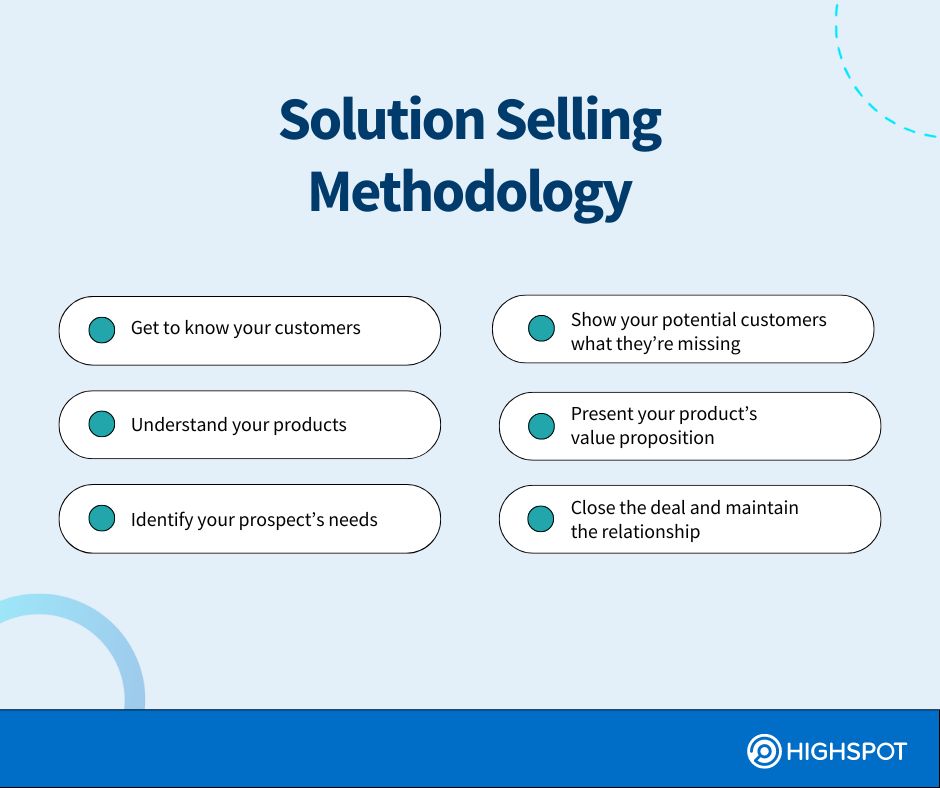
The process starts with preparing the sales team, adopting consultative techniques, and using technology effectively. These steps help teams connect better with customers and close deals more efficiently.
Sales Team Training
Training is essential to implement solution sales successfully. Salespeople must learn to identify customer needs beyond surface-level issues. They need skills to ask the right questions and listen carefully. Role-playing real customer scenarios improves confidence and effectiveness.
Regular workshops and coaching sessions keep the team updated on product knowledge and sales strategies. Training also includes understanding how solutions fit different customer challenges. This approach builds trust and shows customers that the team truly cares.
Consultative Selling Techniques
Consultative selling is at the heart of solution sales. It focuses on building relationships and understanding customer goals first. Salespeople act as advisors, guiding clients to the best solution for their unique problems.
This technique requires patience and empathy. It encourages open conversations where customers feel heard. Sales reps help customers see the value of tailored solutions rather than just features or prices. This method often leads to long-term partnerships.
Leveraging Technology
Technology plays a key role in solution sales. Customer relationship management (CRM) tools help track interactions and preferences. Data analytics provide insights into customer behavior and needs.
Sales teams use virtual demos and presentations to show how solutions work. Automation tools can streamline follow-ups and manage proposals efficiently. Technology ensures that each solution fits the client’s exact requirements and enhances the sales process.
Credit: www.highspot.com
Challenges And How To Overcome Them
Solution sales face unique challenges that require strategic approaches. Understanding these obstacles helps businesses deliver real value to customers. Overcoming these issues leads to stronger client relationships and better sales outcomes.
Complex Customer Needs
Customers often have multiple, interconnected problems. Identifying all their needs takes time and careful listening. Sales teams should ask detailed questions and offer tailored solutions. Breaking down problems into smaller parts makes them easier to solve. Clear communication ensures customers feel understood and confident.
Aligning Internal Teams
Solution sales need teamwork between sales, product, and support staff. Misalignment causes delays and confusion. Regular meetings keep everyone updated on goals and progress. Sharing customer feedback helps improve the solution continuously. Collaboration tools improve communication and speed up responses.
Measuring Success
Tracking the impact of solution sales can be tricky. Focus on results that matter to the customer, like cost savings or efficiency gains. Use clear metrics to measure progress and adjust strategies. Customer satisfaction surveys provide valuable insights. Consistent measurement builds trust and shows real value.

Credit: www.socoselling.com
Frequently Asked Questions
What Is An Example Of Solution Selling?
An example of solution selling is a software company customizing a social media management package to meet a client’s specific goals and needs.
What Is The Meaning Of Solution Sales?
Solution sales focuses on understanding a customer’s problems and offering tailored products or services that solve those specific issues. It emphasizes value over features.
What Are The Three Types Of Sales?
The three types of sales are transactional, consultative, and solution selling. Transactional focuses on quick, simple deals. Consultative involves understanding customer needs deeply. Solution selling offers tailored products or services to solve specific customer problems.
What Is The Difference Between Product And Solution Sales?
Product sales focus on selling a specific item with set features. Solution sales address customer problems by offering tailored, comprehensive packages. Solutions combine products, services, and support to meet unique needs, enhancing value beyond standalone products. This approach builds long-term customer relationships through customized outcomes.
Conclusion
Solution sales focus on understanding customer problems deeply. Salespeople offer tailored answers, not just products. This method builds trust and long-term relationships. It fits many industries, from software to healthcare. By addressing real needs, solution sales create lasting value. This approach helps businesses stand out in competitive markets.
It encourages listening, learning, and adapting. Embracing solution sales leads to better customer satisfaction and growth.


