
Are you tired of sales pitches that only focus on product features without really addressing your needs? What if the sales process was about solving your specific problems instead of just pushing a product?
That’s exactly what solution-based sales is all about. This approach shifts the focus from selling a product to understanding your challenges and offering tailored solutions that truly help you succeed. If you want to learn how this customer-first method can transform your buying experience and build stronger relationships, keep reading.
You’ll discover why solution-based sales might be the key to getting exactly what you need, not just what’s available.
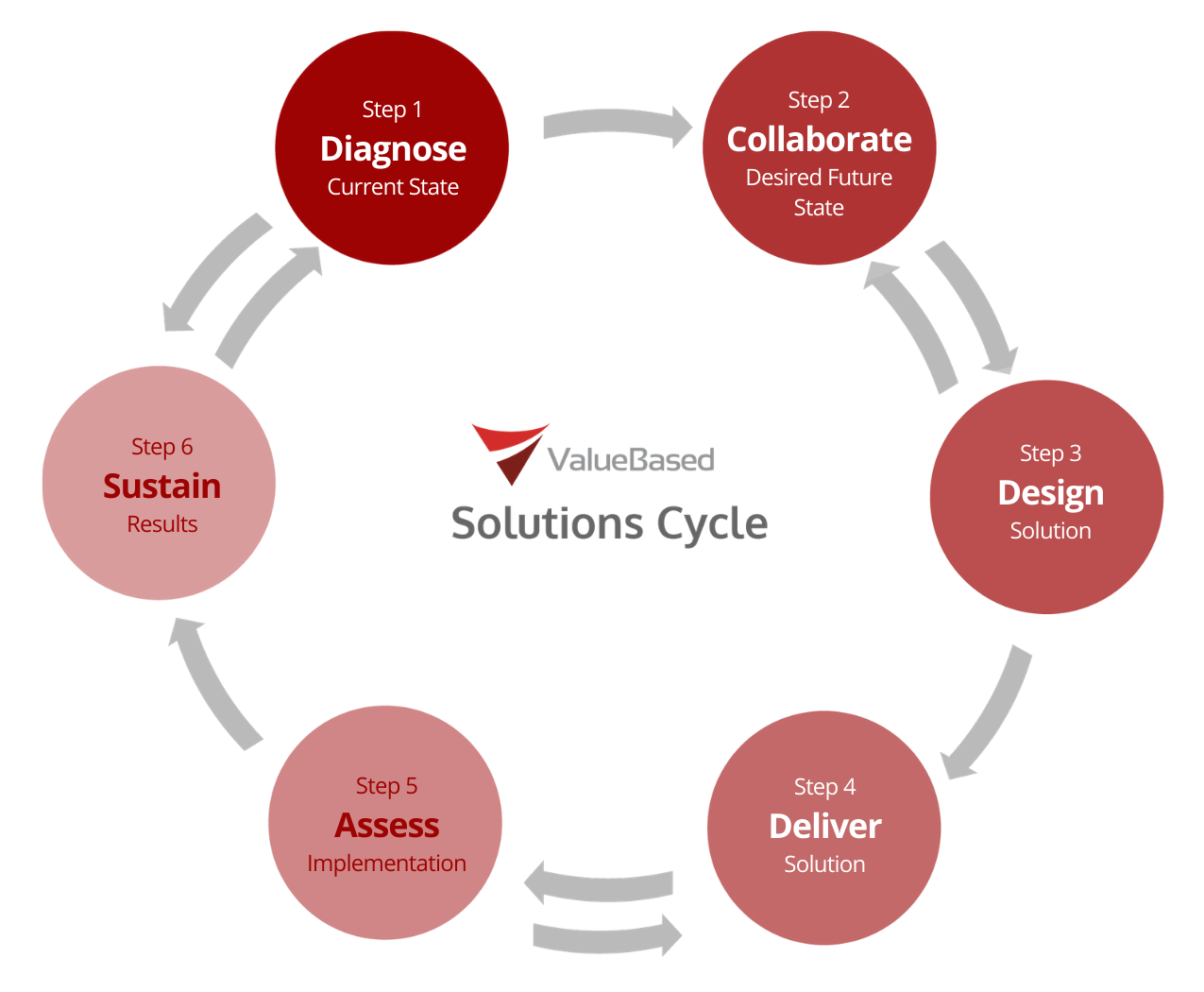
Credit: www.valuebased.com
Solution Based Sales Basics
Understanding the basics of solution based sales is essential for any salesperson. This approach centers on addressing the unique challenges of each customer. It moves beyond simply selling products and focuses on creating real value. The goal is to solve problems, not just make transactions.
Solution based sales requires a clear grasp of the customer’s needs and a commitment to providing tailored answers. It builds trust and demonstrates value, forming the foundation of long-term relationships. Below are the key elements that define this sales method.
Customer Needs Focus
Sales start with listening to the customer. Asking questions uncovers their challenges and goals. Understanding their needs helps in offering the right solution. This focus shifts the conversation from products to problems. It ensures the salesperson truly addresses what matters most to the buyer.
Tailored Solutions
Every customer is different. Solution based sales creates customized answers to fit specific needs. Instead of pushing a standard product, it adapts offerings to solve the customer’s issues. This personalization increases the chances of success and customer satisfaction.
Value Demonstration
Showing how the solution benefits the customer is key. This means explaining clear advantages and results. Salespeople must highlight how their solution saves time, reduces costs, or improves efficiency. Demonstrating value helps customers see the practical impact.
Building Trust
Trust grows from honesty and understanding. Solution based sales focuses on building strong relationships. Salespeople act as advisors, not just sellers. This approach encourages repeat business and loyalty by showing care for the customer’s success.

Credit: www.zendesk.com
How Solution Sales Differ
Solution based sales stands apart from traditional selling by focusing on the customer’s needs first. This method shifts the attention from just the product to solving real problems. It requires understanding the customer’s challenges deeply before suggesting any product or service. The goal is to build trust and offer value, not just to make a quick sale.
This approach changes how salespeople interact with customers and how they present their offerings. It makes the sales process more thoughtful and tailored to each customer’s unique situation. Below are key ways solution sales differ from traditional sales techniques.
Customer Vs Product Focus
Solution sales prioritize the customer’s needs over product features. Salespeople ask questions to learn about the customer’s problems first. They then match solutions that fit those specific needs. In contrast, traditional sales often highlight product benefits first, hoping to attract buyers. This customer-first approach helps build stronger relationships and trust.
Advisor Role
In solution sales, the salesperson acts as a trusted advisor. They guide customers through options based on real needs. This role involves listening carefully and offering advice without pressure. Traditional salespeople usually focus on closing deals quickly. Acting as an advisor creates long-term partnerships rather than one-time sales.
Comprehensive Packages
Solution selling often includes comprehensive packages. These packages combine products and services tailored to solve the customer’s problem fully. This contrasts with selling individual products alone. The complete package approach ensures customers get all they need in one place. It improves satisfaction and makes the solution easier to implement.
Key Techniques
Key techniques define solution based sales. They focus on understanding and addressing customer needs. Using these methods helps salespeople build trust and offer real value. Each technique plays a vital role in connecting with clients and closing deals.
Asking Open Questions
Open questions invite customers to share details about their needs. They encourage honest and detailed responses. This helps salespeople learn about challenges and goals. Asking the right questions uncovers valuable insights. It creates a conversation rather than a sales pitch.
Uncovering Pain Points
Finding pain points reveals what troubles the customer most. These are problems or frustrations affecting their business or life. Understanding these issues allows salespeople to focus on solutions. Addressing pain points shows empathy and builds rapport. It guides the sales process towards relevant solutions.
Customizing Offers
Customizing offers means tailoring solutions to fit the customer’s needs exactly. It avoids one-size-fits-all approaches. Salespeople use information from questions and pain points to create these offers. Personalized solutions increase the chance of success. Customers feel understood and valued through this approach.
Sales Process Steps
The sales process steps in solution based sales focus on understanding customer needs and offering tailored solutions. Each step builds trust and guides the customer toward the best option. This method moves away from just selling products and focuses on solving real problems.
Discovery Phase
The discovery phase begins by asking questions to learn about the customer’s challenges. Listening carefully helps identify their goals and pain points. This step is key to finding the right solution. It creates a strong foundation for the rest of the sales process.
Solution Design
During solution design, the salesperson creates a plan that fits the customer’s needs. This plan uses products or services in a way that solves the problem. Customizing the solution shows the customer that their situation matters. It also highlights the value of what is offered.
Presentation
The presentation step explains how the solution works and why it helps. Clear and simple language makes it easy for the customer to understand. Demonstrating the benefits builds confidence in the solution. This part focuses on how the solution meets the customer’s specific needs.
Follow-up And Support
After the presentation, follow-up keeps the conversation open and answers any questions. Support helps the customer use the solution effectively. This step builds trust and encourages long-term relationships. It shows the salesperson cares about the customer’s success beyond the sale.
Benefits Of Solution Selling
Solution selling offers many benefits for both businesses and customers. It focuses on solving real problems instead of just selling products. This approach builds trust and shows customers that their needs matter. Sales teams using solution selling gain a deeper understanding of their clients. This leads to better service and stronger connections.
Stronger Customer Relationships
Solution selling helps build trust with customers. Salespeople listen carefully to client problems. They offer solutions that truly fit customer needs. This creates a bond based on understanding and respect. Customers feel valued and are more likely to stay loyal. Long-term relationships grow stronger with every positive interaction.
Higher Customer Satisfaction
Customers receive answers tailored to their unique issues. This makes them feel understood and supported. The solutions improve their business or daily life. Happy customers share positive feedback and recommend your company. Satisfaction rises because the focus is on solving problems, not just selling products.
Increased Sales Success
Sales teams see better results with solution selling. Closing deals becomes easier when customers trust you. Customers buy more because the solutions meet their exact needs. Repeat business increases as relationships deepen. Overall, sales grow steadily through meaningful, helpful interactions.
When To Use Solution Sales
Solution-based sales works best in specific situations. It suits cases where understanding and addressing the customer’s unique problems is key. Knowing when to use this sales method helps businesses connect better with clients. Here are the main scenarios where solution sales shines.
Complex Customer Needs
Use solution sales when customers have complicated needs. These needs often involve multiple factors and challenges. A simple product pitch will not work here. Sales reps must listen carefully and understand the full picture. Then, they offer tailored solutions that address all issues. This builds trust and shows real value.
Custom Product Requirements
Solution selling fits well when customers want custom products. Many businesses need products made just for them. Off-the-shelf items may not meet their needs. Salespeople must work closely with customers to design the right solution. This process takes time and clear communication. It results in products that solve the exact problems.
Long-term Sales Cycles
Solution sales works well for long sales cycles. Some sales take months or even years to close. These involve many decision-makers and complex processes. A simple sales pitch is not enough. Sales teams must build strong relationships and stay patient. They provide ongoing support and adapt solutions as needs evolve. This approach leads to lasting partnerships.
Common Challenges
Solution based sales focuses on solving the client’s problems rather than just selling products. This approach has many benefits but also faces common challenges. Understanding and managing these challenges helps sales teams succeed and build lasting client relationships.
Understanding Client Needs
Identifying what the client truly needs is not always simple. Clients may not clearly express their problems. Salespeople must ask the right questions and listen carefully. Misunderstanding needs can lead to offering the wrong solution. Deep knowledge of the client’s business and challenges is essential.
Balancing Customization And Cost
Clients want solutions that fit their needs perfectly. Customizing a solution can raise costs. Sales teams must find the right balance between meeting needs and keeping prices reasonable. Over-customization may reduce profit margins. Under-customization risks client dissatisfaction. Careful planning and communication are key.
Maintaining Trust
Trust is the foundation of solution based sales. Clients rely on the salesperson’s honesty and expertise. Overpromising or pushing unnecessary products can break trust. Consistent follow-up and transparency help maintain a strong relationship. Building trust takes time but leads to long-term success.
Tips For Success
Success in solution-based sales depends on several key skills and habits. Focusing on the customer’s needs is just the start. Sellers who develop specific traits perform better and build stronger relationships. The following tips help salespeople thrive in this approach.
Deep Industry Knowledge
Understanding your industry helps you relate to customer problems. Know the trends, challenges, and common solutions. This knowledge builds trust and shows customers you understand their world. It also helps tailor solutions that fit their unique needs. Stay updated about your market and competitors. This insight makes your recommendations more relevant and convincing.
Active Listening Skills
Listening carefully is crucial in solution-based sales. Pay close attention to what customers say and how they say it. Ask questions to clarify their needs and concerns. Avoid interrupting or rushing the conversation. Active listening helps uncover hidden problems and priorities. It shows respect and builds rapport. Customers feel valued and understood, making them more open to your solutions.
Continuous Learning
Sales techniques and customer needs change over time. Keep learning about new products, sales strategies, and customer behaviors. Attend workshops, read books, and follow industry news. Learning keeps your skills sharp and your solutions fresh. It also helps you adapt to different customers and situations. A commitment to growth makes you a better advisor and boosts your sales success.

Credit: www.mindtickle.com
Frequently Asked Questions
What Is A Solution-based Sales Approach?
A solution-based sales approach focuses on understanding customer needs and offering tailored products or services to solve their problems effectively. It builds trust by acting as a trusted advisor, emphasizing value and long-term relationships over just selling features.
What Is The Meaning Of Solution Sales?
Solution sales is a customer-focused approach where salespeople identify needs and offer tailored products or services to solve problems.
What Is An Example Of A Solution Selling?
An example of solution selling is a software company tailoring a custom CRM to improve a client’s sales tracking and customer management.
What Are The Three Types Of Sales?
The three types of sales are transactional, consultative, and solution-based sales. Transactional focuses on quick deals. Consultative involves understanding customer needs. Solution-based offers tailored products solving specific problems.
Conclusion
Solution based sales focuses on solving customer problems first. It builds trust by understanding real needs clearly. Salespeople act as advisors, not just sellers. This method creates stronger, long-lasting customer relationships. Tailored solutions fit each customer’s unique situation. It moves beyond pushing products to offering real value.
Using this approach can improve sales success and satisfaction. Simple, honest conversations lead to better business outcomes. Embracing solution based sales helps meet client goals better.


