
Are you stepping into the world of website creation and feeling overwhelmed by the technical jargon? You’re not alone.
One term you’ve probably come across is “shared web hosting service. ” It might sound complex, but understanding it is crucial for anyone looking to establish an online presence without breaking the bank. Imagine you could host your website on a reliable server without needing a tech degree or spending a fortune.
That’s where shared web hosting comes into play. This type of hosting is like renting an apartment in a bustling city. You share resources with others, which keeps costs low while still enjoying the perks of living in a prime location. But how does this work for your website, and is it the right fit for your needs? As you read on, you’ll discover how shared web hosting can be the ideal solution for your online projects, offering a perfect blend of affordability, ease, and functionality. Dive in to see how this service can empower your digital dreams.
Credit: www.inmotionhosting.com
Basics Of Shared Web Hosting
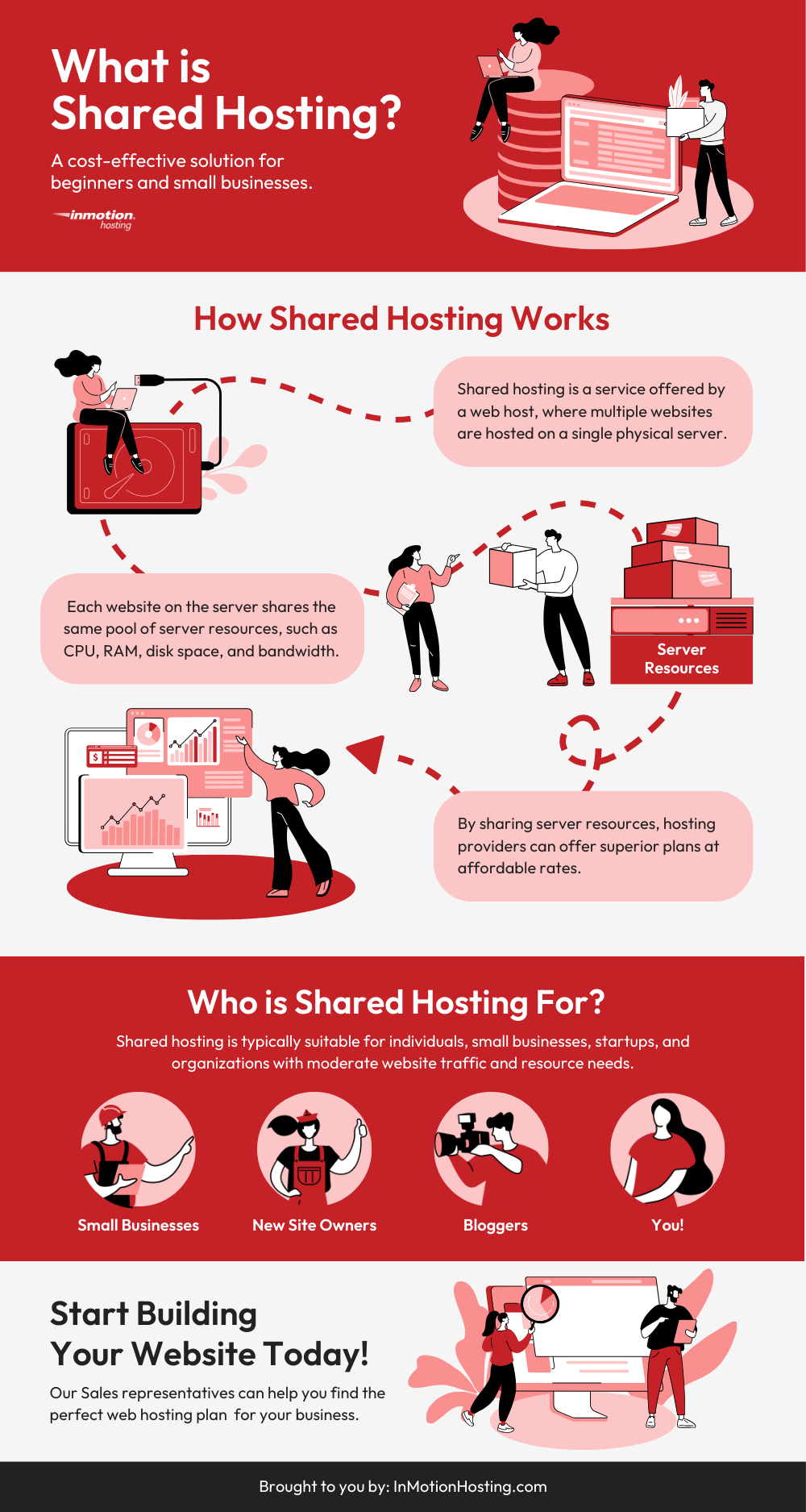
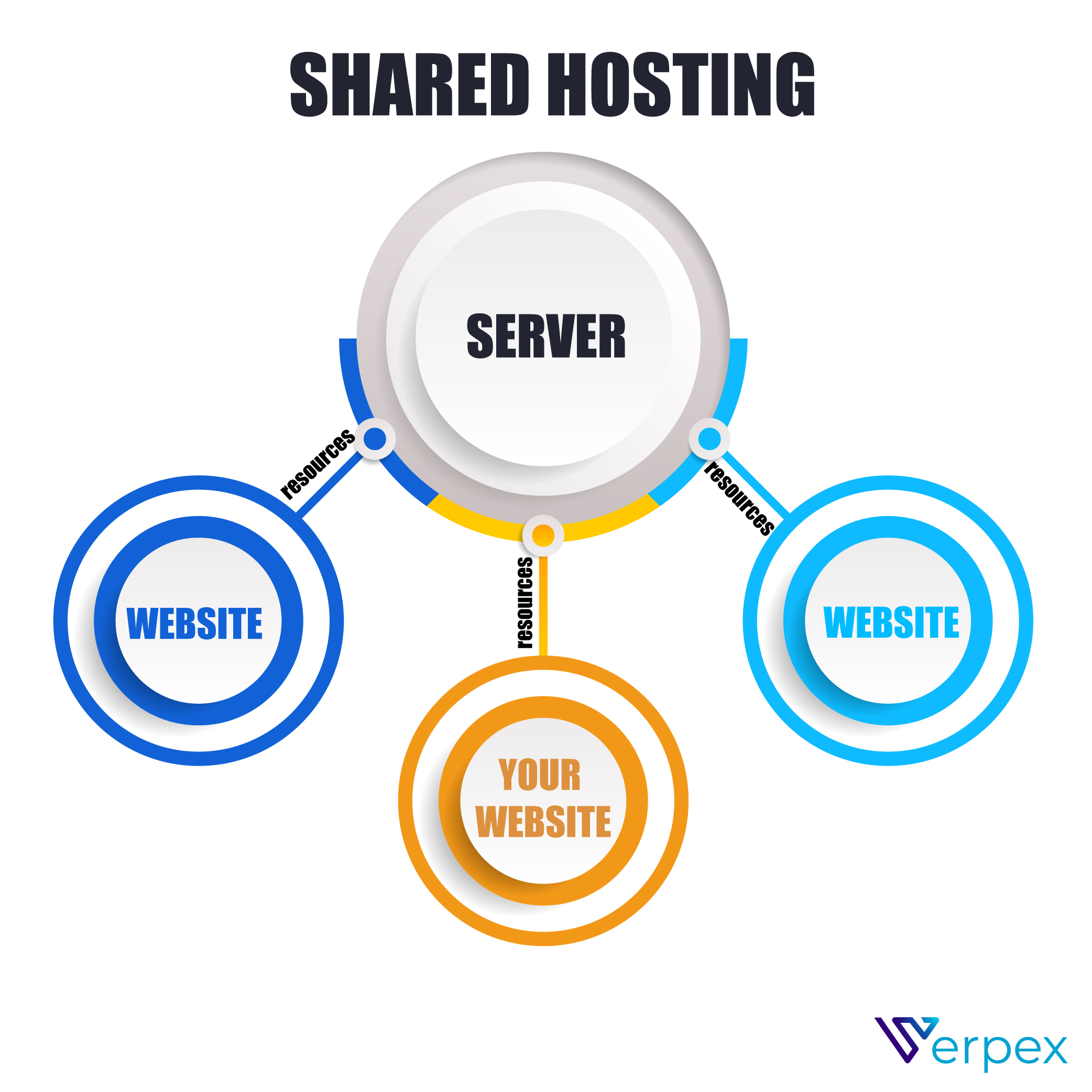
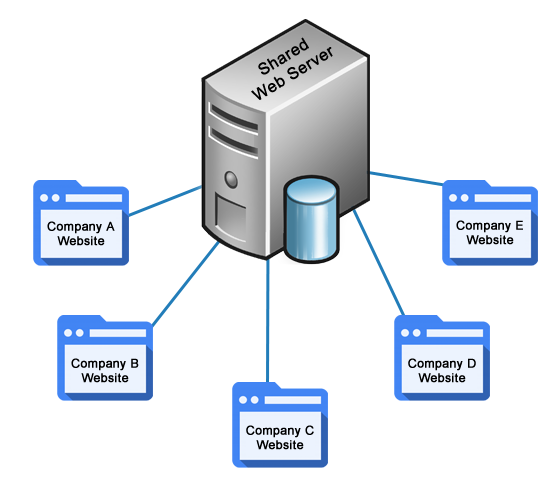
Shared web hosting is a service where many websites share one server. This helps keep costs low for website owners. Each site gets its own space on the server. Resources like memory and bandwidth are shared among all sites. This means if one site gets busy, others might slow down. Shared hosting is good for small websites or blogs. It’s easy to use and set up. Most people choose it for its affordability.
Shared hosting works like a big apartment building. Many tenants live in one building. Each tenant has their own room. But they share the building’s resources. In shared hosting, many sites use one server. They share CPU, RAM, and bandwidth. If one site uses too much, others might feel slow. It’s simple and cost-effective for beginners. Most websites start with shared hosting.
Credit: verpex.com
Benefits Of Shared Hosting
Shared hosting is very affordable. Many websites share one server. This cuts down the cost. It’s a smart choice for small businesses. You save money. You get good service without spending much.
Setting up shared hosting is simple. No need for tech skills. Hosting companies do the hard work. They manage the server. You focus on your website. It’s easy to start and maintain your site.
Servers share resources like storage and memory. Each website gets a part. It helps many sites run smoothly. You use only what you need. Your site works well.
Limitations Of Shared Hosting
Shared hosting can slow down your website. Many websites share the same server. Resources like memory and bandwidth are limited. This can lead to slow loading times. Too much traffic can cause your site to crash. Performance depends on other sites on the server. Heavy use by others can affect your site.
Security is a big worry with shared hosting. Multiple websites share the same server. A security breach on one site can affect others. Malware can spread easily. Weak security features can expose your site. Your data might not be safe. Shared servers need strong protection.
Limited customization options are a drawback. You can’t change server settings. Software options are restricted. You use what the host provides. Personalization can be hard. Custom scripts may not run. Control over your site is limited.
Choosing The Right Shared Hosting Provider
Shared web hosting service allows multiple websites to share a single server’s resources. This cost-effective solution suits small to medium websites. Choose a provider with reliable uptime, good customer support, and easy-to-use features to ensure smooth website performance.
Factors To Consider
Picking the right shared hosting provider is important. First, check the cost. It should be within your budget. Next, look at the storage space. More space is better if you have many files. Also, check the bandwidth. This affects how fast your site loads. You should also consider customer support. Good support can help fix problems quickly. Lastly, ensure they have a money-back guarantee. This way, you can get a refund if you’re not happy.
Top Shared Hosting Providers
Many companies offer shared hosting. Some of the top ones are Bluehost, HostGator, and SiteGround. Bluehost is popular for its easy setup and free domain. HostGator offers unlimited storage and 24/7 support. SiteGround is known for its fast servers and good security. Each of these has its own strengths.
Comparing Plans And Prices
| Provider | Basic Plan | Price per Month |
|---|---|---|
| Bluehost | Basic | $2.95 |
| HostGator | Hatchling | $2.75 |
| SiteGround | StartUp | $3.99 |
Setting Up Shared Hosting
Choose a unique name for your website. Check if the name is available. Use a domain registrar to buy your domain name. Domains can end with .com, .net, or .org. After buying, the domain is yours. Keep track of renewal dates to maintain ownership.
Log into your hosting control panel. Find the website builder tool. Select a template for your site. Customize with text and images. Add pages like About or Contact. Save changes regularly. Preview before making the site live.
Access your hosting dashboard using login details. Monitor your website traffic. Check for updates. Backup your website data. Contact support if issues arise. Keep your account details safe. Ensure payment information is current.
Tips For Optimizing Shared Hosting
Website speed is crucial. Use a lightweight theme. Optimize images. Compress CSS and JavaScript files. Enable caching. Choose a hosting provider with fast servers. Minimize redirects. Limit plugins. Test speed regularly.
Security matters. Always update software. Use strong passwords. Enable firewall protection. Regularly backup your website. Monitor suspicious activities. Set up security alerts. Limit login attempts. Install security plugins.
Manage resources wisely. Monitor bandwidth usage. Allocate CPU and RAM efficiently. Limit the number of databases. Optimize database queries. Regularly clean up files and folders. Set limits on user accounts.
Alternatives To Shared Hosting
VPS Hosting offers more control than shared hosting. Each user gets a virtual server. It acts like a dedicated server. This means more resources and better performance. It is good for websites with more traffic. Though, it is more expensive than shared hosting.
Dedicated Hosting gives you a whole server. No sharing with others. It’s like having your own computer for your website. This means full control and high security. Good for very big websites. But it is the most expensive option.
Cloud Hosting uses many servers together. This makes it very reliable. If one server fails, others keep working. It can handle lots of traffic. You pay for what you use. This can be cost-effective. It is great for growing websites.
Credit: mango-wp.com
Frequently Asked Questions
What Is The Difference Between Hosting And Shared Hosting?
Hosting provides server space for websites. Shared hosting means multiple websites share the same server resources, reducing costs.
What Are The Disadvantages Of Shared Hosting?
Shared hosting offers limited resources and slower performance due to multiple websites on one server. Security risks increase as vulnerabilities in one site can affect others. Customization is restricted, and you may face difficulties with scalability. User support might also be limited in shared hosting plans.
Is Shared Web Hosting Good?
Shared web hosting is affordable and ideal for small websites or beginners. It provides essential resources and easy management. It suits sites with low traffic, but may face limitations in speed and performance during high traffic. Consider your site’s needs before choosing shared hosting for reliable support.
What Does A Web Hosting Service Do?
A web hosting service stores your website files on servers, making them accessible online. It ensures your site is available 24/7. Hosting services also offer domain management, security, and technical support. Choose a reliable host to ensure fast loading times and minimal downtime for your website.
Conclusion
Shared web hosting offers a cost-effective solution for many users. It’s ideal for small businesses and personal websites. Easy to set up and manage. Resources are shared among multiple users, keeping costs low. It may not suit high-traffic sites, though.
Limited resources can be a drawback for some. Always assess your website’s needs before choosing a hosting plan. Consider growth and traffic projections. Shared hosting suits those with basic needs and limited budgets. Research and choose wisely for the best experience.


