
Have you ever wondered what makes your favorite website accessible to you at any time, anywhere in the world? The answer often lies in something called a “Shared Web Hosting Account.”
If you’re stepping into the digital realm, whether for a personal blog or a small business website, understanding shared web hosting could be your golden ticket to a successful online presence. Imagine sharing a comfortable apartment with a few friends, each of you splitting the rent and utilities to keep costs low.
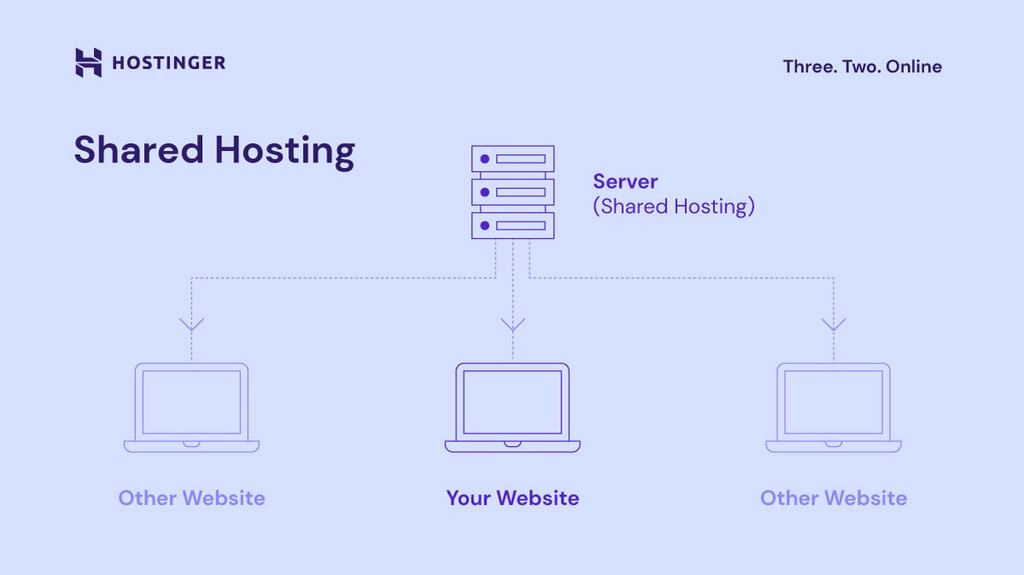
Similarly, shared web hosting allows multiple websites to reside on a single server, sharing resources and reducing expenses. This means you can enjoy a high-quality hosting service without breaking the bank. But is it right for you? We’ll break down the concept of shared web hosting in simple terms, highlight its benefits, and help you decide if it’s the perfect fit for your needs. Stay with us, and you’ll discover the potential of shared hosting to bring your digital dreams to life.

Credit: www.hostgator.com
Shared Web Hosting Basics
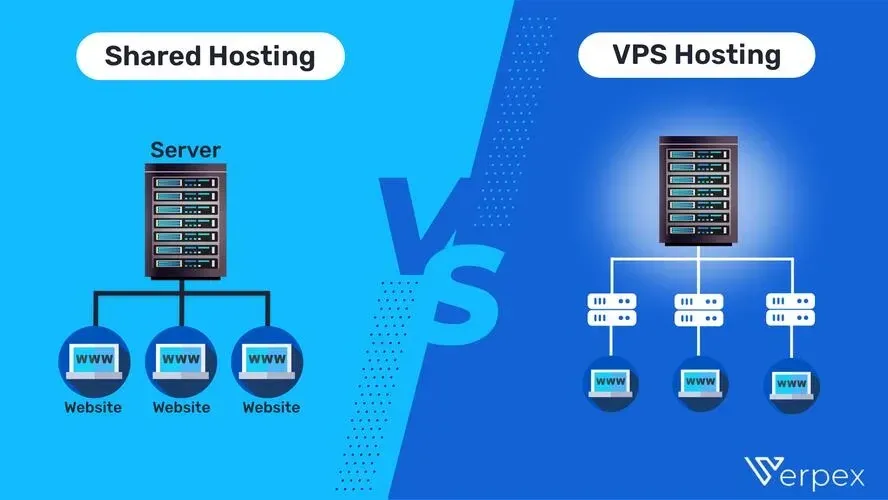
Shared web hosting means many websites use one server. Each website gets a part of the server. It is a cost-effective way to host websites. Many people choose it for small websites. It offers basic resources and tools. You share server space and memory. This helps to lower costs. It is simple to set up and manage.
Websites on the server share resources. This includes disk space, bandwidth, and processing power. The server hosts many websites at once. Each website has its own section. Users access the server through a control panel. It allows easy management of files and settings. Performance depends on server load. Heavy traffic can affect speed. Maintenance is handled by the hosting provider. They ensure the server runs smoothly. Security is shared among users. This can increase risks but is managed carefully.
Key Features Of Shared Hosting
Shared hosting means sharing a server with others. Each user gets a portion of the server’s resources. These include CPU, memory, and disk space. The cost is low because resources are shared. This is great for small websites or blogs.
Most shared hosting plans offer a control panel. This panel is easy to use. It helps manage your website. You can add domains, create emails, and check stats. Everything is in one place. CPanel is a popular choice.
Security is important in shared hosting. Providers offer basic protections. These include firewalls and anti-virus tools. Regular updates keep the server safe. It’s important to use strong passwords. Always update your software.
Advantages Of Shared Hosting
Shared hosting is often the cheapest option. Many websites share one server. This lowers costs. It’s great for small budgets. Ideal for beginners too. No big expenses needed. Just pay a monthly fee. Easy on the wallet.
Shared hosting is user-friendly. No need for technical skills. Many hosts offer control panels. These make managing your site simple. Click to update or change settings. Support is available too. Easy for anyone to start.
Start small and grow big. Shared hosting allows scaling. Add more space when needed. Upgrade plans easily. As your site grows, options expand. Perfect for growing businesses. Flexible for future needs.
Credit: verpex.com
Limitations Of Shared Hosting
Shared hosting can be slow. Websites share a single server. If one site gets busy, others may slow down. Loading times can be longer. This can be annoying for users. It’s not ideal for big websites. Fast sites keep visitors happy. Slow ones can lose them.
Options for change are few. Users can not install certain programs. Server settings are fixed. Control is not complete. This can be a problem. More control means better management. Some users need special features. Shared hosting may not fit all needs.
Security is shared among users. A problem on one site can affect others. Hackers can target many sites at once. Safety measures are in place, but risks exist. Private data must stay safe. Users need to be careful. Regular updates help reduce threats.
Ideal Users For Shared Hosting
Small businesses benefit from shared hosting. It is cost-effective. Budget-friendly solutions are important. Shared hosting offers this. It provides a starter platform. No need for large budgets. Resources are shared among users. This keeps costs low. Small businesses can focus on growth. Save money and time.
Personal websites fit well with shared hosting. Simple sites need less power. Shared hosting offers enough. It is easy to manage. No tech skills needed. Perfect for hobbyists. Build and maintain a website. Low cost and easy access. Create a personal space online.
New bloggers find shared hosting helpful. A great starting point. Affordable and simple to use. It supports blog growth. Manage content with ease. Shared hosting helps beginner bloggers. No need for big investments. Start your blogging journey now.
Credit: www.hostinger.com
Choosing A Shared Hosting Provider
Uptime is very important. It shows how often your site is up. Speed affects how fast your site loads. Customer support helps you fix problems fast. Price must fit your budget. Features like email and storage also matter. Security keeps your site safe from hackers. Reputation shows how people feel about the provider.
Some well-known names are Bluehost, HostGator, and SiteGround. Bluehost is often recommended. HostGator offers good deals. SiteGround is known for strong support. Each has its own pros and cons. It’s good to read reviews. This helps in making a choice.
| Provider | Basic Plan | Features |
|---|---|---|
| Bluehost | $2.95/month | Free domain, SSL, 50 GB storage |
| HostGator | $2.75/month | Unmetered bandwidth, free SSL |
| SiteGround | $3.99/month | Daily backups, free email |
Transitioning From Shared Hosting
Shared hosting is great for small websites. But big websites need more. When to upgrade? Your site is getting more visitors. It runs slowly during peak times. You get warnings about resource limits. This means it’s time to think about a change.
Alternatives To Consider
VPS hosting is a good next step. It gives more resources. Dedicated hosting is for very big sites. It gives the most control. Cloud hosting is flexible and scalable. Choose what fits your needs best. Each option has its own price and features. It’s important to pick carefully.
Migration Process
First, choose your new host. Then, back up your data. Next, move your files to the new server. Check everything works. Update your domain settings. Test your site to make sure all is fine. Ask for help if you need it. Many hosts offer migration services.
Frequently Asked Questions
What Is A Shared Hosting Account?
A shared hosting account allows multiple websites to use a single server’s resources. This cost-effective solution is ideal for small to medium-sized sites. Users share server space, bandwidth, and other resources, reducing individual costs. It’s a popular choice for beginners due to its affordability and simplicity.
Is Shared Web Hosting Good?
Shared web hosting is a cost-effective solution for beginners. It offers easy maintenance and basic resources. This option suits small websites or blogs with low traffic. For larger websites, consider other hosting types. Always evaluate your website’s needs before choosing shared hosting.
What Is The Difference Between Hosting And Shared Hosting?
Hosting refers to storing website data on a server. Shared hosting means multiple websites share one server’s resources.
What Are The Disadvantages Of Shared Hosting?
Shared hosting limits resources and causes slow website speeds during peak times. Security risks increase due to multiple users. Customization is often restricted, and technical issues can affect multiple sites. Performance may vary based on server load.
Conclusion
Shared web hosting offers a cost-effective solution for websites. It suits small businesses and personal projects well. Resources are shared among users, keeping costs low. This hosting type is easy to manage. User-friendly control panels simplify tasks. Ideal for beginners with limited budgets.
Performance may vary with traffic spikes. But for most, it’s reliable and efficient. Consider your needs before choosing. Shared hosting provides a solid starting point. As your site grows, options like VPS may be explored. Start small, learn, and expand when necessary.
A shared web hosting account is a practical choice for many.


