
Have you ever wondered how some websites manage to deliver dynamic content, process data, and interact seamlessly with other applications? The secret often lies in self-hosted Web APIs.
Imagine having full control over your data and interactions, without relying on third-party services. You can customize and manage your API according to your needs, ensuring security and efficiency. This gives you the power to enhance user experience, streamline operations, and drive innovation.
Curious to learn how you can leverage this technology to transform your digital landscape? Let’s dive in and explore the world of self-hosted Web APIs, unlocking a realm of possibilities for your online presence.
Defining Self-hosted Web Api
A Self-Hosted Web API is a program. It runs on your own server. It gives you control. You can manage data and functions. This type of API doesn’t need a cloud service. It works independently. Developers can create custom features. They can make it fit their needs.
Self-hosting provides more security. You keep data safe. It reduces external risks. You decide who can access it. This is great for businesses. They often need privacy. It also allows for flexibility. You can change parts easily. It suits different projects.
Benefits Of Self-hosting
Self-hosting gives full control over the server. You can choose hardware and software. Adjust settings to fit your needs. This means better performance and reliability. No third-party influences your setup.
Security can be tighter with self-hosting. You set your own rules. Choose who accesses your data. No one else can see or touch it. Regular updates keep threats away. You handle your own protection.
Self-hosting helps with cost management. Monthly fees are avoided. Pay once for hardware. Choose cheaper software options. Control bandwidth use. Spend less on extra features. Budget stays steady with self-hosting.
Setting Up A Self-hosted Web Api
Picking the right server is important. Servers are the home for your API. Performance matters. Choose a server with good speed. Security is key. A safe server protects your data. Cost is also a factor. Find a server that fits your budget. Support is crucial. Make sure you have help when needed.
Configuring the environment means setting up everything right. Install necessary tools. Software must be updated. Make sure everything works together. Testing is vital. Always check if the API runs smoothly. Tweaking settings might be needed. Adjust until perfect.
Deploying the API is the final step. Move your API to the server. Check if it’s working well. Fix any errors if found. Monitor its performance regularly. Ensure it’s always accessible to users. Keep updating for best results.

Credit: www.linkedin.com
Popular Tools And Technologies
Different server software options help in hosting web APIs. Apache is one of them. It is widely used. Nginx is another choice. It is known for speed. IIS is Microsoft’s solution. It works well with Windows. Lighttpd is lightweight and efficient. Each has its own features. Choose based on your needs. Cost, performance, and support matter. Learn about each option. Make informed decisions.
Frameworks help build web APIs faster. Express.js is popular with Node.js. It is simple to use. Django is loved in Python circles. It is robust and secure. Flask is another Python option. It is lightweight and flexible. Ruby on Rails is for Ruby lovers. It offers many tools. ASP.NET works well with C#. It is powerful and scalable. Using the right library can save time. It makes coding fun and easy. Choose the one that fits best.
Challenges And Considerations
Self-hosted web APIs need regular maintenance. Bugs appear often. Fixing them takes time. Updates are crucial for security. Developers must keep track of changes. New features are added frequently. Updating ensures smooth operation. Without updates, systems lag behind. Keeping everything running smoothly is a constant task.
Scalability is a big challenge. As users grow, systems slow down. APIs must handle traffic spikes well. Planning for growth is essential. Resources need to be managed. Sometimes, extra servers are required. Balancing load is tricky. Poor planning leads to crashes. Growth demands flexibility in design.
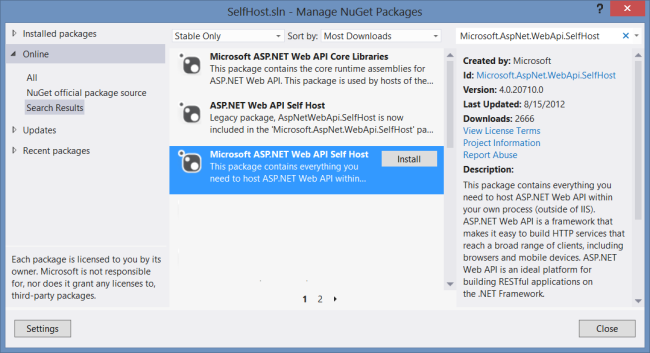
Building APIs requires strong technical skills. Developers need to understand coding deeply. They must know how systems connect. Mistakes can cause serious issues. Debugging is a crucial skill. Understanding network layers helps in solving problems. Without expertise, projects face delays. Skilled teams ensure smoother operations.
Credit: learn.microsoft.com
Comparing With Cloud-based Apis
Self-hosted APIs can be faster in some cases. They don’t rely on external servers. This means they can be closer to the user. Cloud APIs might have more latency. They depend on internet speed and server location. Both have their own advantages and disadvantages.
Self-hosted APIs often need hardware and maintenance. This can be expensive. Cloud-based APIs usually have a subscription fee. This fee can be predictable and easier to manage. Choosing the right option depends on your budget.
Self-hosted APIs offer more control. You can customize them as needed. Cloud APIs are managed by providers. They have limited customization options. But they can be easier to use. Decide based on your needs and preferences.
Use Cases For Self-hosting
Self-hosted APIs offer control over enterprise systems. Companies can manage their own servers. This means better security and customization. Large enterprises need reliable access to data. Self-hosting supports high traffic demands. It also ensures consistent performance.
Some businesses have strict data rules. Self-hosting allows data control. Information stays within the company. External access is limited. This ensures privacy. It also helps with compliance to regulations. Sensitive data is safe from third-party breaches.
Many companies need unique features. Self-hosting helps with custom APIs. Developers can build tailored solutions. This meets specific business needs. The setup is flexible. It grows with the company. Changes are made easily.
Future Of Self-hosted Apis
Self-hosted web APIs offer businesses control over their data and functionality. These APIs run on personal servers, ensuring security and customization. Embracing self-hosted solutions allows seamless integration into existing systems, promoting efficiency and adaptability for future needs.
Trends In Self-hosting
Self-hosting APIs is growing more popular each year. Developers want control over their data and systems. Self-hosting gives them that control. It’s more secure because you own your server. You can customize features to suit your needs. Many companies are choosing this method. It reduces third-party dependency. Self-hosting also allows better integration with existing systems. It can save money in the long term. Privacy is another big benefit. Data stays within your walls. No outside access unless you decide. This trend is likely to continue as more tools become available.
Integration With Emerging Technologies
New technologies are changing how we use APIs. Artificial Intelligence can help in managing APIs. It can automate tasks and improve efficiency. Blockchain is also being used for secure API transactions. It offers transparency and trust. Internet of Things devices need APIs to communicate. Self-hosting helps in seamless integration with IoT. Cloud computing offers flexibility and scalability. These technologies make self-hosting more powerful. They help in creating robust systems. Integration with these tools makes APIs smarter. Self-hosting will keep evolving with these changes.

Credit: www.youtube.com
Frequently Asked Questions
What Is Self-hosting In Web Api?
Self-hosting in Web API allows you to run an API without using a web server. It provides flexibility, control, and customization. You can directly host your API within a console application or a Windows service, making deployment simpler and more efficient.
What Is Web Api Hosting?
Web API hosting involves deploying and managing APIs on a server. It allows applications to communicate over the internet. This enables seamless data exchange and integration between different software systems. Web API hosting ensures APIs are accessible, reliable, and scalable for developers and users.
What Does Self Hosting A Website Mean?
Self-hosting a website means managing your own server for your website. It offers control over configurations, security, and data. You purchase hosting space, install server software, and maintain updates. This approach provides flexibility and customization but requires technical knowledge.
What Do You Mean By Web Api?
A Web API is an interface that allows software applications to communicate over the internet, using HTTP requests and responses. It enables developers to integrate different services, access data, and enhance functionality in web applications. Web APIs are essential for creating dynamic, interactive, and connected online experiences.
Conclusion
Choosing a self-hosted web API offers flexibility and control. You can customize it to fit specific needs. No need to rely on third-party providers. This enhances data security and privacy. Budget-friendly solutions are possible with open-source options. You have the power to scale as your business grows.
The setup process may seem challenging, but the benefits are worth it. Investing time to learn ensures smooth implementation. Self-hosted web APIs give you complete ownership. Ideal for businesses seeking independence and control. Embrace this approach for a tailored digital experience.


