
Have you ever wondered what monthly data transfer in web hosting really means? If you’re running a website or planning to launch one, this term might sound like just another piece of tech jargon.
However, understanding it is crucial for the success of your online presence. Imagine this: your website is like a bustling highway, and monthly data transfer is the number of cars—your visitors—that can travel on it without causing a traffic jam.
Too many cars, and everything slows down or even comes to a screeching halt. Intrigued? You should be. Grasping the concept of monthly data transfer can save you from unexpected website downtimes and help you choose the best hosting plan for your needs. Ready to dive in and ensure your website runs smoothly? Let’s get started.
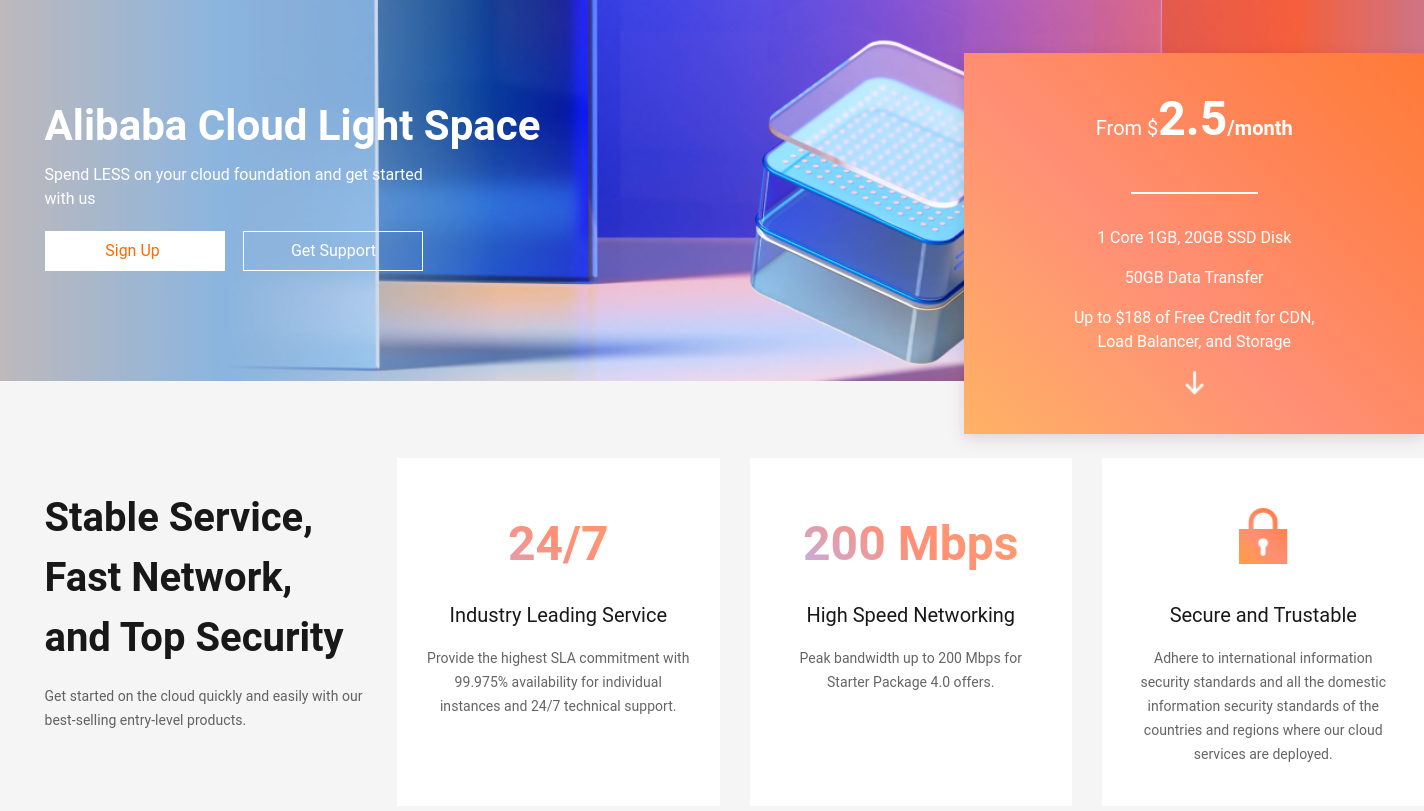
Credit: www.alibabacloud.com
Monthly Data Transfer Basics
Data transfer means moving data from one place to another. In web hosting, it shows how much data is sent from your website. This includes files, images, and videos. Every time a visitor clicks on a page, data transfers. More visitors mean more data transfer.
Data transfer is very important. It helps in keeping your site running smoothly. If you have more visitors, you need more data transfer. Limited data transfer can make your site slow. It can even make it stop working. Choosing the right plan is important. It keeps your website available to all.

Credit: www.binpress.com
Components Of Data Transfer
Bandwidth and data transfer are not the same. Bandwidth means the speed of data moving. It is like a highway’s width. Data transfer is how much data moves. It’s like the cars on the highway. More bandwidth allows more data to move quickly. But it doesn’t mean more data will move.
Traffic sources are where visitors come from. They can be from social media, search engines, or direct visits. Each source uses data when visitors load a site. Knowing sources helps plan data transfer needs. More visitors mean more data transfer. So, watch your traffic sources. They help in managing data better.
How Data Transfer Is Measured
Data transfer is measured in bytes. Common units include kilobytes (KB), megabytes (MB), and gigabytes (GB). A kilobyte is 1,024 bytes. A megabyte is 1,024 kilobytes. A gigabyte is 1,024 megabytes. These units help track how much data moves between servers. Web hosting uses these measurements to manage data limits.
Tools help monitor data transfer. Many hosts provide dashboards. These dashboards show monthly data usage. They help users understand their data limits. Some tools alert users when they near their limits. Keeping track helps avoid extra fees. It ensures websites run smoothly.

Credit: www.facebook.com
Impact On Website Performance
Monthly data transfer is key for website speed. More data slows it down. Fast websites load in seconds. Slow ones make users wait. Waiting frustrates visitors. They might leave your site. Faster sites are more accessible. Everyone can use them easily. This includes people with slow internet. Good data transfer helps your site stay fast.
A good user experience keeps visitors happy. Fast pages improve their experience. They find what they need quickly. Slow pages can lose visitors. They might not return. A smooth experience brings them back. This keeps your site popular. Monthly data transfer affects this. It is important to manage it well.
Managing Data Transfer Limits
Monthly data transfer is how much data goes from your website to users. Every web host has a limit. Exceeding this limit can slow your site. It might also cost more money. Knowing your limit helps prevent surprises. Check your host’s plan details. They tell you about your limit. It’s important to understand this. It keeps your website running smoothly.
Optimize images to use less data. Smaller images load faster. Use caching to save data. It lets users see pages without loading them again. Limit large files on your site. Videos and big downloads use a lot of data. Monitor usage to see what needs changing. Regular checks help manage limits. Try these strategies to keep your site healthy.
Choosing The Right Hosting Plan
Understand your website’s traffic. This helps in choosing the right plan. Estimate how much data is downloaded by visitors. Check your website’s size and content type. Videos use more data than text. Regular updates also affect data use.
Use tools to measure data transfer. These tools can be online or software. Keep track of changes in data use. This helps in making better choices. Plan according to your needs. Overspending can be avoided this way.
Compare different hosting plans before deciding. Look at the data limits offered. Some plans offer more data at higher costs. Others may offer less but are cheaper. Decide based on your needs and budget.
Consider other factors too. These include customer support and reliability. Read reviews of different hosting providers. Choose a plan that offers value. Do not just look at the price.
Consequences Of Exceeding Limits
Monthly data transfer in web hosting refers to the total data moved from a website to users. Exceeding these limits can result in additional charges or slower website performance. Monitoring usage helps avoid unexpected costs and ensures a smooth online experience.
Potential Costs
Exceeding monthly data transfer can be costly. Many hosting providers charge extra fees. These charges can add up quickly. It’s important to track your usage. Budgeting for these fees is smart. Providers often have different pricing. Some charge per gigabyte exceeded. Others have fixed penalties for overages. Understanding your plan is crucial. Avoid unexpected bills with careful planning. Compare plans for best pricing options. This helps manage your expenses better.
Service Interruption Risks
Exceeding limits can interrupt your service. Websites may go offline suddenly. Visitors can’t access your site. This affects your business negatively. Downtime can lead to lost revenue. It can hurt your reputation too. Web hosting providers may suspend accounts. This happens until you upgrade or pay. Regular monitoring prevents these issues. It’s wise to upgrade your plan if needed. Ensure consistent service with proper management.
Trends In Data Transfer
More people use the internet now than ever before. Data transfer grows each day. Websites need to handle more traffic. This means they must transfer more data. Video streaming and online games use lots of data. More apps and smart devices connect to the internet. Each device needs data. Web hosts must provide enough data transfer. If not, sites may slow down or stop. People want fast websites. They leave if sites are slow.
Technology gets better all the time. Internet speeds are faster now. Fiber optics and 5G change how we use data. New tech lets sites send more data quickly. Servers become stronger. They handle more data without problems. Cloud hosting helps with data transfer. It shares the load across many servers. Web hosts upgrade systems often. They must keep up with new tech. This ensures smooth data transfer.
Frequently Asked Questions
What Is Data Transfer In Hosting?
Data transfer in hosting refers to the amount of data moved between your website and users. It includes website files, images, videos, and more. Hosting plans often limit data transfer, affecting site performance and speed. Efficient data transfer ensures a smooth user experience and optimal website functionality.
What Is Web Data Transfer?
Web data transfer involves moving information between servers and clients over the internet. It includes downloading, uploading, and streaming. Efficient data transfer ensures optimal website performance and user experience. Techniques like compression and caching are used to enhance speed and reliability.
Effective management prevents bottlenecks and data loss.
What Is The Purpose Of Data Transfer?
Data transfer facilitates the movement of information between systems, enhancing communication, connectivity, and access. It enables efficient data processing, sharing, and storage across platforms. This process supports business operations, decision-making, and technological innovation.
What Is Monthly Bandwidth In Web Hosting?
Monthly bandwidth in web hosting refers to the data transfer limit between your website and users. It includes all uploads and downloads. Bandwidth impacts site performance and user experience. Choose a hosting plan with adequate bandwidth to ensure smooth operation.
Exceeding limits can lead to additional charges or reduced site speed.
Conclusion
Monthly data transfer is key in web hosting. It affects site speed. It impacts user experience. Choose a plan that matches your needs. Monitor your website’s data usage. This helps avoid extra costs. It prevents slow site performance. A good balance is crucial.
It ensures efficient data handling. Consider future growth. Select a flexible hosting option. This supports increased traffic. Monthly data transfer influences your site’s success. Make informed choices. Keep your website running smoothly. Stay proactive in managing data. This leads to better site efficiency.
And ultimately, a happier audience.


