
Imagine you have built a stunning website with all the bells and whistles. You’ve poured your heart and soul into it, and now you’re ready to share it with the world.
But there’s one crucial step that stands between your creation and your audience: web hosting. You might be wondering, what exactly does web hosting mean for your website? Simply put, web hosting is the service that makes your website accessible on the internet.
Without it, your site remains a hidden gem, unable to reach potential visitors. Understanding the ins and outs of web hosting can be a game-changer for your online presence. It’s the foundation on which your website stands, influencing everything from speed to security. So, if you’re curious about how web hosting impacts your site and how to choose the best option for your needs, stick around. You’ll discover insights that could unlock the full potential of your online venture.
Web Hosting Basics
Web hosting is a service. It lets you store your website files. These files include text, images, and videos. They are stored on a server. A server is like a big computer. It is always connected to the internet. This way, people can see your website anytime. Think of web hosting as renting space on the internet. You need this space to show your website to the world. Without web hosting, your website cannot be seen online.
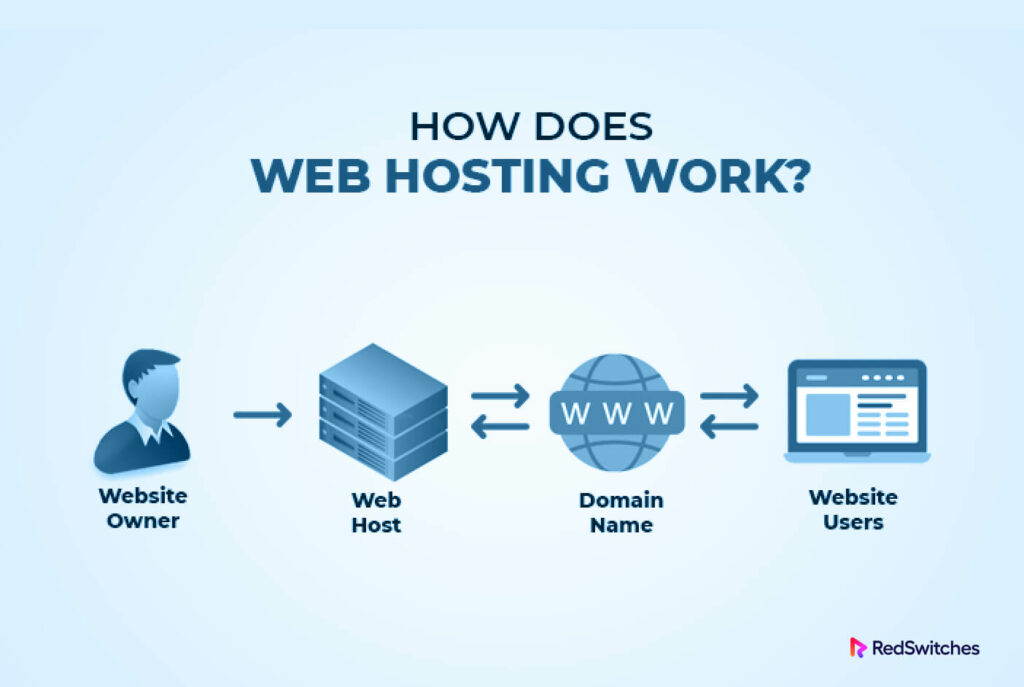
A web host provides the server. This server stores your website files. When someone types your website address, the server sends the files to their computer. The website then shows up on their screen. It’s like sending a letter. The web host is the post office. It makes sure your letter reaches the right person. The server needs to be strong. This way, it can handle many visitors at once. Many types of hosting exist. Choose the one that suits your needs.
Credit: safiakhatoon.hashnode.dev
Types Of Web Hosting
Shared hosting is the simplest type of web hosting. Many websites share one server. It’s affordable and best for small sites. Good for beginners. But, if one site gets busy, others slow down. It’s like sharing a computer with your friends.
VPS means Virtual Private Server. It’s like having your own mini-server. Better than shared hosting. More control and power. Good for medium sites. You share, but less. Faster and more secure. It’s like having your own room in a big house.
Dedicated hosting gives you a whole server. No sharing. Best for big sites. Most expensive. Complete control. Very fast and safe. It’s like owning your own house. You do everything.
Cloud hosting uses many computers. Your site is on several servers. Very flexible. Good for growing sites. Pay for what you use. It’s like renting space in many places. If one fails, others help.
Key Features Of Web Hosting
Web hosting provides space for your website files. This is called storage. The more storage, the more files you can keep. Bandwidth is also important. It measures the data transfer between the site and users. Large sites need more bandwidth for smooth performance. Both features must match your website’s needs. Choose wisely to avoid slow loading times.
Uptime refers to how often your website is online. High uptime means your site is almost always available. Reliability ensures users can access your site without issues. A reliable host keeps your site up consistently. Look for hosts with 99% or higher uptime. This ensures fewer interruptions for visitors.
Security is crucial for any website. Web hosting offers security features like firewalls and SSL certificates. These features protect your data from hackers. Regular backups are also essential. They help recover data if something goes wrong. Choose a host with strong security measures to keep your website safe.

Credit: www.hostinger.com
Choosing The Right Web Hosting
Think about what your website needs. Is it a small blog or a big store? Small websites need less space. Big websites need more. Know your site’s purpose. This helps pick the right plan.
Look at different hosting providers. Compare their features. Check their support and uptime. Uptime means your site is live. Good hosts have 99% uptime. Also, read reviews. What do other users say?
Decide how much you can spend. Web hosting prices vary. Some are cheap, some are costly. Don’t just pick the cheapest. Balance cost with features. Choose what fits your budget and needs.
Common Challenges In Web Hosting
Websites can go offline. This is called downtime. Downtime happens if servers fail. Broken websites make users unhappy. They leave and don’t come back. Businesses lose money. It’s important to fix downtime quickly. Choose a host with reliable uptime. This keeps your site online.
Websites face many security threats. Hackers can steal data. They put viruses on sites. This can harm users and businesses. Secure hosting is very important. Use strong passwords and regular updates. They help protect websites. Choose hosts with good security features.
Websites may grow over time. They need to handle more visitors. This is scalability. If a site can’t grow, it may crash. Choose hosts that can grow with you. They should offer more space and speed. This keeps the site running smoothly.

Credit: www.layerhost.com
Future Of Web Hosting
Web hosting is always changing. New technologies keep coming. Cloud hosting is becoming very popular. It helps websites stay online. Artificial Intelligence helps make hosting smarter. AI can fix problems fast.
Green hosting is a big trend. It uses less energy. This helps the planet. Security is also very important. People want to keep their data safe. Scalability means websites can grow when needed. This is very useful for businesses.
Frequently Asked Questions
What Is Meant By Web Hosting?
Web hosting provides storage space and access for websites on the internet. It enables your site to be viewed online. Hosting services offer varying features like security, email support, and bandwidth. Choose a reliable provider to ensure optimal performance and uptime for your website.
What Is A Web Host Example?
A web host example is Bluehost. It provides storage, bandwidth, and services to keep websites online.
What Are The 3 Types Of Web Hosting?
There are three main types of web hosting: shared hosting, VPS hosting, and dedicated hosting. Shared hosting is cost-effective for beginners. VPS hosting offers more resources and control. Dedicated hosting provides maximum performance and customization. Choose based on your website’s needs and traffic.
Can I Run My Website Without Hosting?
A website cannot run without hosting. Hosting provides the necessary server space to store files and data. Without it, your site won’t be accessible online. Consider using reliable hosting services to ensure your website is live and functional.
Conclusion
Web hosting is crucial for any online presence. It provides storage for your website’s data. Think of it as a home for your website. Choosing the right web host impacts your site’s performance. Speed, security, and reliability are key factors to consider.
Many hosting options fit different needs and budgets. Shared, VPS, and dedicated hosting offer various benefits. Always assess your website’s requirements. This ensures you select the best hosting service. A good web host supports your website’s growth and success. So, invest time in making an informed decision.
Your website deserves the best foundation.


