
Have you ever wondered why your website isn’t performing as smoothly as you’d like? Or perhaps you’re concerned about the technical side of web hosting but don’t know where to start?
If you’ve found yourself grappling with these questions, you’re not alone. Many website owners face similar challenges. That’s where managed web hosting comes in as a game-changer. Imagine having a team of experts who take care of all the complex, behind-the-scenes operations of hosting your website, so you can focus on what you do best.
It’s like having a personal tech concierge dedicated to ensuring your site runs seamlessly. But what exactly is managed web hosting, and how can it benefit you? We’ll break down everything you need to know in simple terms. Discover how this service can free up your time, enhance your site’s performance, and give you peace of mind. Keep reading to find out how managed web hosting can transform your online presence.
Managed Web Hosting Basics
Managed web hosting is a service where the host handles technical tasks. These tasks include server setup, updates, and security checks. Users focus on building their websites. The host takes care of the rest. This is helpful for people without tech skills. It saves time and stress. Managed hosting offers reliable support. Experts are available to help with issues. This makes it a popular choice.
Managed web hosting includes automatic backups. This keeps data safe from loss. It also offers regular software updates for security. Users get round-the-clock support. This ensures sites run smoothly. Managed hosting often has enhanced security measures. These protect sites from hackers. The hosting provider manages server performance too. This results in fast and reliable websites.
Benefits Of Managed Hosting
Managed hosting offers better security for websites. Experts monitor systems for threats. They also update software regularly. This keeps data safe from hackers. Security features include firewalls and malware scans. Protection is strong and reliable.
Managed hosting boosts website performance. Speed is crucial for visitors. Experts tune servers for fast loading times. Resources are balanced well. This means less downtime. Websites run smoothly and efficiently.
Reliable technical support is available 24/7. Experts help solve issues quickly. Assistance is just a call away. This gives peace of mind. Problems are fixed fast. Support is friendly and helpful.
Managed Vs. Unmanaged Hosting
Managed hosting is often more expensive. It offers extra services. These include security, updates, and backups. Unmanaged hosting is cheaper. You do most tasks yourself. The cost depends on your needs.
With unmanaged hosting, you have full control. You choose how everything works. Managed hosting limits some choices. It gives you less control. But it saves you time. You don’t have to manage everything.

Credit: www.hostingadvice.com
Choosing A Managed Hosting Provider
Picking a managed hosting provider is important. First, look at their reliability. You need a provider who keeps your website up. Also, check their customer support. It’s best if they are available 24/7. Pricing matters too. Find a provider that fits your budget. Lastly, think about scalability. You might need more resources as your site grows.
Several companies offer managed hosting. Some well-known ones are SiteGround, Bluehost, and WP Engine. Each has different features. SiteGround is great for performance. Bluehost is known for good support. WP Engine is popular for WordPress sites. Research each to find the best fit.
Managed Hosting For Different Websites
E-commerce sites need fast loading times. They handle many visitors each day. Managed hosting helps keep sites running smoothly. It also protects against cyber threats. This keeps customer data safe. A team of experts monitors the site. They fix issues quickly. This helps in maintaining customer trust.
Blogs and personal sites require less power. Managed hosting offers easy updates. This keeps the site fresh. It also provides backups. So, data is never lost. Site owners can focus on writing. They don’t worry about technical issues.
Corporate websites need high reliability. Managed hosting ensures the site is always up. This helps in maintaining a professional image. It also provides advanced security. This protects important company data. Support teams handle technical tasks. This lets the company focus on its main goals.
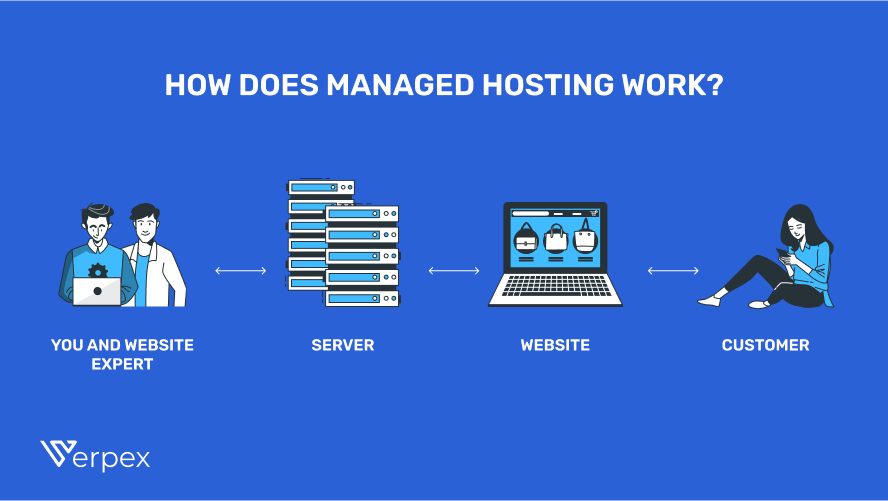
Credit: verpex.com
Common Challenges In Managed Hosting
Many businesses grow over time. This means more visitors to your site. Managing more traffic can be hard. Servers might slow down. This can cause a bad experience for users. Planning for growth is important. Hosting should handle more visitors easily. If not, websites can crash.
Moving a website to a new host can be tricky. Data needs to be safe. Files should not be lost. Some hosting services help with migration. Others do not. This can be a problem. Without help, migration can be confusing. It is important to ask for support. This makes sure everything goes smoothly.
Future Trends In Managed Hosting
Managed web hosting provides expert management of server tasks like updates and security. Emerging trends include enhanced security measures and automation. These trends aim to improve efficiency and performance, making it easier for businesses to focus on their core activities.
Cloud Integration
Managed hosting will use cloud technology more. Cloud helps with speed and security. Websites are faster with cloud. Data is safer with cloud. Cloud makes hosting flexible. More people can use it. Costs are lower with cloud. Cloud hosting is easy to scale. Adding resources is simple. Hosting companies will offer cloud options. Customers will like cloud hosting. It is the future of hosting.
Ai And Automation
AI will change managed hosting. Tasks will be done by robots. Computers will fix problems fast. Automation makes hosting efficient. Less human help is needed. Hosting costs go down. Customers get better service. AI helps in monitoring sites. Issues are spotted quickly. Sites run smoothly. Automation boosts performance. AI and automation are key trends. They shape hosting’s future.

Credit: luxsci.com
Frequently Asked Questions
What Is Managed Website Hosting?
Managed website hosting provides comprehensive server management services. It includes maintenance, updates, security, and support. Hosting providers handle technical tasks, ensuring optimal website performance. This service allows businesses to focus on content and growth, without worrying about server issues. Managed hosting offers reliable uptime and enhanced security features.
What Is The Meaning Of Managed Hosting?
Managed hosting means a hosting provider handles server management tasks. This includes maintenance, security, and backups. Businesses can focus on core activities instead of technical issues. It offers improved performance and reliability. Managed hosting is ideal for those lacking technical expertise.
It ensures your website runs smoothly without downtime.
What Is Web Hosting Management?
Web hosting management involves overseeing server resources, ensuring security, and optimizing website performance. It includes domain management, backups, and updates. Efficient management ensures websites run smoothly, remain secure, and provide fast access for users. Proper hosting management is crucial for maintaining website uptime and reliability.
What Are The 3 Types Of Web Hosting?
The three types of web hosting are shared hosting, VPS hosting, and dedicated hosting. Shared hosting involves multiple websites on one server. VPS hosting provides a virtual private server for more control. Dedicated hosting offers an entire server exclusively for one website, ensuring maximum performance and customization.
Conclusion
Managed web hosting simplifies website management for users. It offers expert support and enhanced security. This option saves time and reduces technical stress. Businesses can focus on growth while hosting professionals handle tasks. Managed hosting provides peace of mind with reliable performance.
It’s a smart choice for those seeking efficiency. Users enjoy a smoother online experience. This hosting type adapts to changing needs and demands. As websites grow, managed hosting scales resources accordingly. For beginners and seasoned users alike, it’s a valuable solution.
Consider managed web hosting for a seamless, supportive online journey.


