
Imagine you’re ready to launch your Java-based application, and the next crucial step is finding the right web hosting service. But what exactly is Java Web Hosting, and why should you care?
This is where you find the perfect balance between performance, reliability, and scalability. As you dive into the world of Java Web Hosting, you’ll discover how it can transform your digital experience and support your application’s unique requirements. Whether you’re a developer, entrepreneur, or tech enthusiast, understanding the nuances of Java Web Hosting will empower you to make informed decisions.
So, why leave it to chance? Let’s explore how Java Web Hosting can become the backbone of your online presence.
Java Web Hosting Essentials
Java web hosting offers many features. Scalability is a key benefit. Websites can grow easily with demand. Security is also a top priority. Data is kept safe with strong protection. Performance is important too. Fast loading pages make users happy. Support is available for developers. Help is just a click away. Compatibility with many databases is offered. This ensures smooth operations. These features make Java hosting a strong choice.
Java application servers run Java apps on the web. Apache Tomcat is a popular choice. It is lightweight and fast. GlassFish is another option. It offers more features. JBoss is known for flexibility. It supports many tools. WebLogic is powerful and secure. It is used by big businesses. Each server has unique strengths. Choose the one that fits your needs best.
Types Of Java Web Hosting
Shared Hosting is like sharing a big house. Many websites live together on one server. It is cheap and easy to use. But, if one site gets busy, others slow down. It is good for small sites or beginners.
VPS Hosting gives more space and power. It is like having a personal apartment in a building. You get your own part of the server. More control and better performance are the key benefits. Great for growing websites.
Dedicated Hosting offers a whole server just for you. Like owning your own house. Full control and high performance are the highlights. It costs more but is best for large sites.
Cloud Hosting uses many servers together. It is like using a big team of computers. Flexible and scalable, it can handle lots of visitors. Perfect for websites that grow fast.
Choosing The Right Java Hosting Provider
Choose a host with fast servers. Check for high uptime to ensure reliability. Look for scalability options. You might need more resources in the future. CPU power and RAM are crucial for performance. Avoid slow hosts. They hurt your website. Users dislike slow sites. Ensure the host can handle traffic spikes. Bandwidth matters for high traffic.
Security is very important. Choose hosts with SSL certificates. Protect your data and user information. Firewalls and DDoS protection are essential. Hackers target weak sites. Regular backups protect against data loss. Make sure the host provides them. Check for virus scanning features. Keeping your site safe should be a priority.
Good technical support helps solve problems fast. Choose a host with 24/7 support. You might face issues any time. Look for knowledgeable staff. They should help with Java-specific issues. Live chat is convenient for quick help. Email support is useful for detailed queries. Ensure support is friendly and patient. It makes a difference.
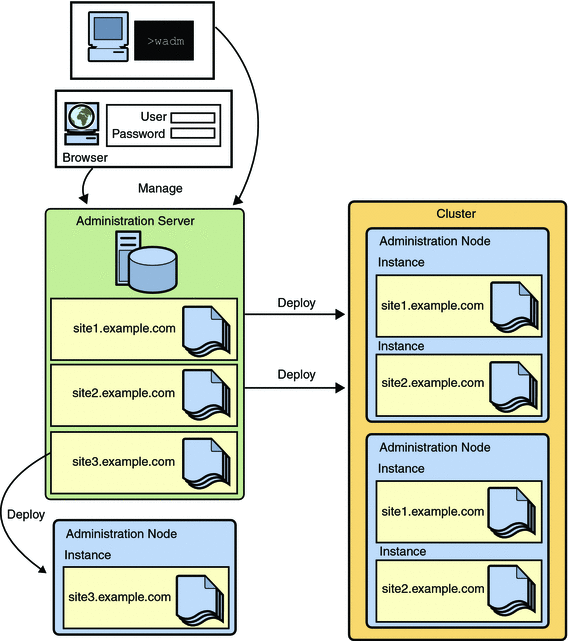
Credit: docs.oracle.com
Benefits Of Java Web Hosting
Java works on many different systems. It can run on Windows, Mac, and Linux. This makes it easy for developers. They can create websites that work everywhere. Users have a smooth experience, no matter their device.
Java offers strong frameworks like Spring and Hibernate. These tools help build secure and efficient websites. Developers can add new features easily. This makes Java a popular choice for web hosting.
Websites hosted with Java run fast. They handle many users at once. This means less wait time for users. Websites are reliable and quick. This makes users happy.
Popular Java Hosting Platforms
Apache Tomcat is a popular choice for Java web hosting. It is open-source and easy to use. Many developers trust Tomcat for its reliability. It can handle large-scale applications efficiently.
Jetty is another great option for hosting Java web apps. It is lightweight and fast. Jetty is often used for embedded systems. It offers excellent performance for small applications.
WildFly is a robust platform for Java hosting. It supports advanced features. WildFly is known for its modular design. Many enterprise applications use WildFly for its scalability.
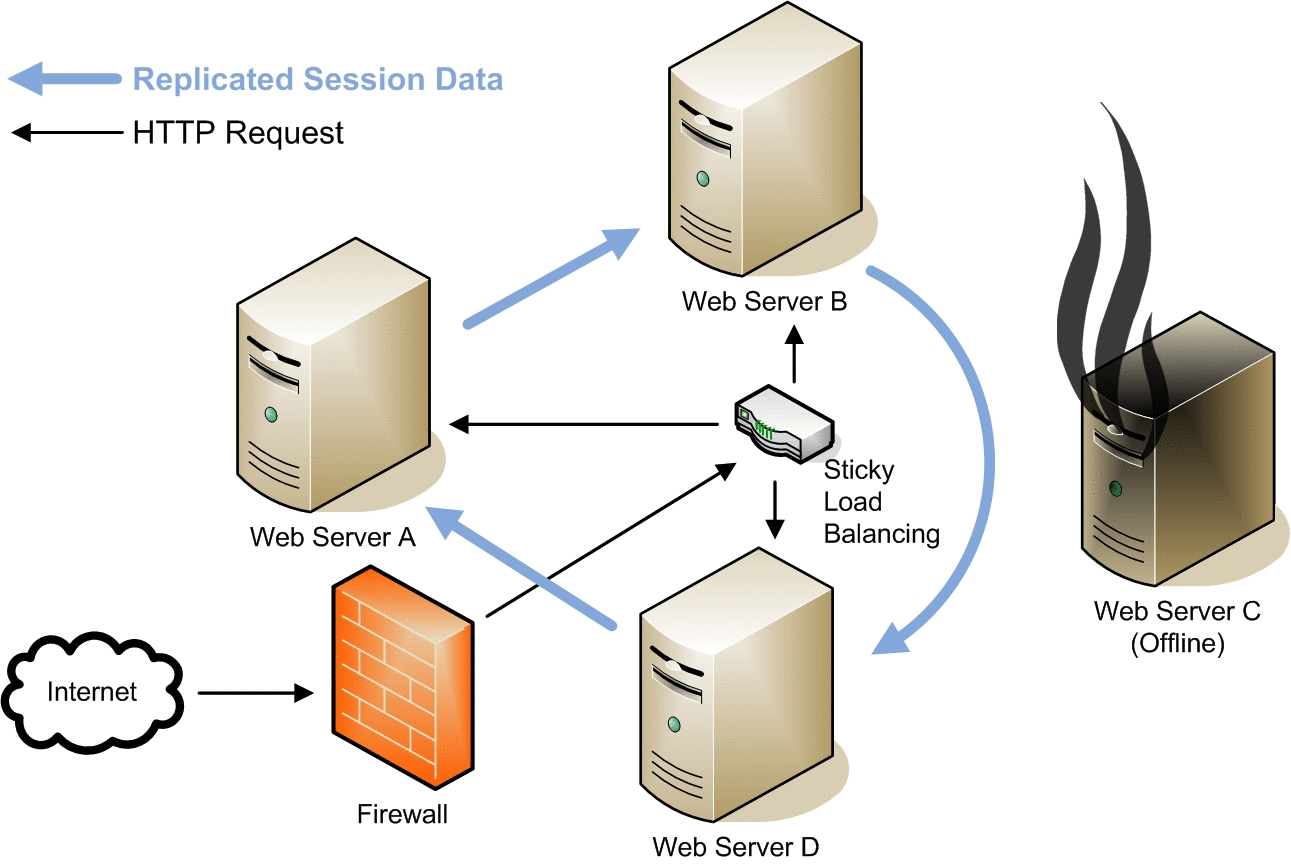
Credit: docs.oracle.com
Common Challenges In Java Hosting
Java web hosting can be tricky. One big issue is resource allocation. Java needs a lot of memory and CPU. If there are too many users, the server can slow down. This makes websites run slowly. It can make users frustrated too. So, it’s important to have enough resources. This keeps everything running smoothly.
Another challenge is configuration management. Java apps have many settings. These settings help the app run right. But, if one setting is wrong, it can cause errors. This can make the app not work. So, always check the settings. Make sure they are correct. It helps keep the app stable.
Future Of Java Web Hosting
Java Web Hosting involves hosting websites powered by Java applications. It supports dynamic content and interactive features. As the technology evolves, Java Web Hosting adapts to meet new demands, ensuring flexibility, scalability, and robust performance for modern web applications.
Emerging Technologies
Java web hosting will see many new changes. Cloud technology is growing fast. It helps to store and manage data easily. Artificial Intelligence is becoming important. It helps in automating tasks and improving services.
Containerization, like Docker, is popular now. It makes deploying applications simple and quick. Serverless computing is also rising. It lets developers run code without managing servers. These technologies make Java hosting more efficient and flexible.
Industry Trends
Security is a top concern. Hosting providers focus on keeping data safe. Scalability is crucial. Businesses want to grow quickly without problems. Eco-friendly solutions are becoming popular. Companies aim to reduce energy use. These trends shape the future of Java web hosting.
Remote work is more common now. Hosting services must support remote access. User experience is key. Providers aim for easy-to-use platforms. All these trends help Java hosting meet modern needs.

Credit: www.ovhcloud.com
Frequently Asked Questions
What Is Java Hosting?
Java hosting provides server environments optimized to run Java applications. It supports technologies like JSP, Servlets, and Tomcat. This hosting ensures your Java apps perform efficiently and securely. Developers can deploy their Java-based projects seamlessly. With dedicated resources, Java hosting is ideal for robust, scalable applications.
What Is Java Used For On Websites?
Java powers web applications, enabling dynamic content and interactive features. It handles server-side processes, database connections, and user authentication. Java applets enhance website interactivity. It supports scalable, secure platforms, facilitating seamless user experiences and robust functionality. Java’s versatility and reliability make it a preferred choice for complex web solutions.
What Is Java Web Server?
A Java web server processes requests and serves web content using Java technology. It supports Java Servlets and JSPs, enabling dynamic web applications. Popular examples include Apache Tomcat and Jetty. These servers ensure scalability, security, and efficient resource management for Java-based web projects.
What Is Java Web Start Used For?
Java Web Start launches and manages Java applications directly from the internet. It simplifies deployment by eliminating complex installation processes. Users can run Java apps with a single click, ensuring they always access the latest version. This tool enhances user experience and reduces administrative overhead.
Conclusion
Java web hosting simplifies deploying Java applications online. It offers reliable performance for your Java-based projects. Choosing the right hosting service is crucial. Consider your project’s needs and budget. Check server compatibility with Java software. Look for support and security features.
A good host ensures smooth operation and scalability. Keep these factors in mind when selecting a provider. Quality hosting enhances your application’s success. Make informed decisions for better results. Java web hosting is an essential tool for developers. It helps bring ideas to life on the web.


