
Imagine building a beautiful house. Now, think about where you’d put it.
On solid ground, right? That solid ground for your website is web hosting. But what exactly is included in web hosting services? You might have heard the term tossed around in tech conversations, but understanding what’s behind it can feel like decoding a new language.
Here’s the thing: your website’s performance, security, and reliability depend largely on your choice of web hosting. It’s like choosing the right foundation for your digital home. And just like a strong foundation, the right web hosting service can set you up for success. By the end of this article, you’ll be equipped with the knowledge to make an informed decision about what you need and why it matters. Dive in to discover the key components of web hosting services and how they can elevate your online presence.

Credit: dnsexit.com
Types Of Web Hosting
Shared hosting is very common. Many websites use the same server. This makes it cheaper. But, it can be slow. Many users share the same resources. Perfect for small websites or blogs.
VPS stands for Virtual Private Server. It is like shared hosting, but better. Each website gets its own space. More control and power. Good for growing websites. Costs more than shared hosting.
Dedicated hosting gives you your own server. No sharing with others. Best for big websites with lots of visitors. High performance and security. But, it is expensive. Requires technical skills.
Cloud hosting is modern and flexible. Websites use many servers in the cloud. If one server fails, others help. This makes it very reliable. Great for websites with changing traffic. Pay for what you use.

Credit: seadev.us
Essential Features
Disk space is like a home’s storage. It holds your website’s files. More space means more room for your site’s data. Choose enough space for images and videos. Small websites need less space. Large sites need much more.
Bandwidth is the amount of data sent. It affects how many visitors your site can handle. High bandwidth means more visitors can see your site. Low bandwidth might slow down your site. Choose bandwidth based on expected traffic.
Uptime guarantee is how often your site is online. Good hosts promise high uptime. This means your site stays live most of the time. Look for 99% uptime or better. Less downtime means more visitors can reach you.
Security measures protect your website from hackers. Strong security keeps your data safe. Look for firewalls and SSL certificates. These tools keep your site secure. Safe websites build trust with visitors.
Additional Services
Web hosting often comes with domain registration. You can choose a name for your website. This name is your website’s address. It helps people find your site online. A domain name is important for your brand. It makes your site look more professional. Most hosting services offer this feature.
Hosting services may include email hosting too. Email hosting lets you create custom email addresses. These addresses match your domain name. For example, you can have info@yourwebsite.com. Custom emails can make your business look more trustworthy. It also helps in managing your emails better.
Many hosting services offer SSL certificates. SSL makes your website secure. It protects data shared on your site. Visitors see a padlock icon in their browser. This shows that your site is safe. SSL certificates build trust with your users. They are important for online safety.
Web hosting services may include website builders. These tools help you create websites easily. You don’t need to know coding. Website builders have templates and drag-and-drop features. They save time and effort. Even beginners can create nice websites with them.
Customer Support
Web hosting companies offer help all the time. Day or night. You can call or chat anytime. This helps solve problems quickly. No need to wait long. It makes sure your website stays up. That’s important for visitors.
Technical support helps with website issues. They fix bugs. They help with server errors. You can talk to them about software problems. They know a lot about hosting. They help keep your site running smooth.
Knowledge bases are like online libraries. They have guides and tutorials. You can learn to fix issues. They help you understand hosting better. You find answers quickly. This helps you learn new things. It’s like having a book of answers.
Pricing Models
Monthly plans are common in web hosting. Users pay a fixed fee each month. These plans offer flexibility. No long-term commitment is needed. It’s easy to switch services. Prices vary among providers. Features also differ. Some give more storage. Others offer better support. Monthly plans suit small budgets.
Annual plans require a full year payment. Discounts are often available. These plans are cost-effective. Users save money over time. Bigger websites benefit more. Commitment is important. Switching services can be hard. Annual plans often include bonuses. Extra features may be added. They are popular for established sites.
Pay-as-you-go options are flexible. Users pay only for what they use. No fixed fees are required. Costs are based on usage. Small sites find them useful. Budget control is easier. Traffic spikes affect cost. Providers vary in pricing. Some offer tiered options. Careful monitoring of usage is necessary.
Choosing The Right Provider
Understanding your website needs is crucial. Small sites need less space. Big sites need more. Consider the amount of traffic you expect. Think about the storage space required. Check if email hosting is necessary. Know your budget limits. Assessing these needs helps in making the right choice.
Different providers offer varied features. Some provide unlimited bandwidth. Others give free domain names. Look for SSL certificates for security. Check if they offer 24/7 support. Compare backup options too. Each feature adds value. Choose features that match your needs.
Reviews give insights. They show user experiences. Read what others say about customer service. Look for feedback on uptime reliability. Pay attention to speed and performance comments. Reviews can guide your choice. They help avoid bad experiences.
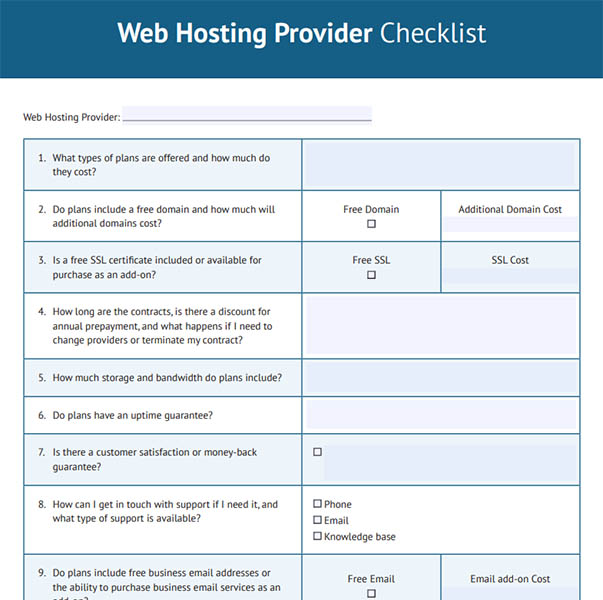
Credit: fitsmallbusiness.com
Frequently Asked Questions
What Is Included In Hosting Services?
Hosting services typically include server space, website storage, bandwidth, security features, and technical support. Some providers offer email hosting, domain registration, and website builder tools. Service levels vary, so check provider specifics.
What Is Involved In Hosting A Website?
Hosting a website involves selecting a hosting provider, choosing a plan, and registering a domain. You must upload your website files, set up email accounts, and configure DNS settings. Regular maintenance and security updates ensure optimal performance and protection.
What Are The 3 Types Of Web Hosting?
The three types of web hosting are shared hosting, VPS hosting, and dedicated hosting. Shared hosting is cost-effective, with resources shared among multiple websites. VPS hosting offers more control and better performance with a virtual private server. Dedicated hosting provides exclusive resources on a physical server for maximum performance.
What Is Included In Web Services?
Web services include APIs, SOAP, RESTful services, XML, JSON, data exchange, and integration methods for software applications. They facilitate communication between different systems over a network, enhancing interoperability and functionality.
Conclusion
Web hosting services offer much more than just server space. They provide essential components. Domains, email accounts, and security features come standard. Customer support is always available to assist. Performance and uptime are critical for website success. Bandwidth and storage options ensure flexibility.
Scalability supports future growth. Understanding these elements helps in choosing the right host. Reliable web hosting enhances online presence. Ensure your website remains accessible and secure. Carefully compare providers to find the best fit. Select wisely to support your online goals.
Investing in quality hosting pays off in the long run.


