
Have you ever wondered what makes a website accessible to people around the world at any time of the day? The secret lies in something called “hosting.”
If you’re stepping into the world of web design, understanding hosting is crucial. It’s the backbone that supports your website, making it available to anyone who wants to visit. Imagine your favorite website going offline just when you need it most.
Frustrating, right? That’s why knowing how hosting works is key to ensuring your site stays online and reliable. We’ll unravel the mysteries of web hosting, explain why it’s essential, and help you choose the right type for your needs. Ready to unlock the full potential of your web design projects? Keep reading to discover the power of hosting!
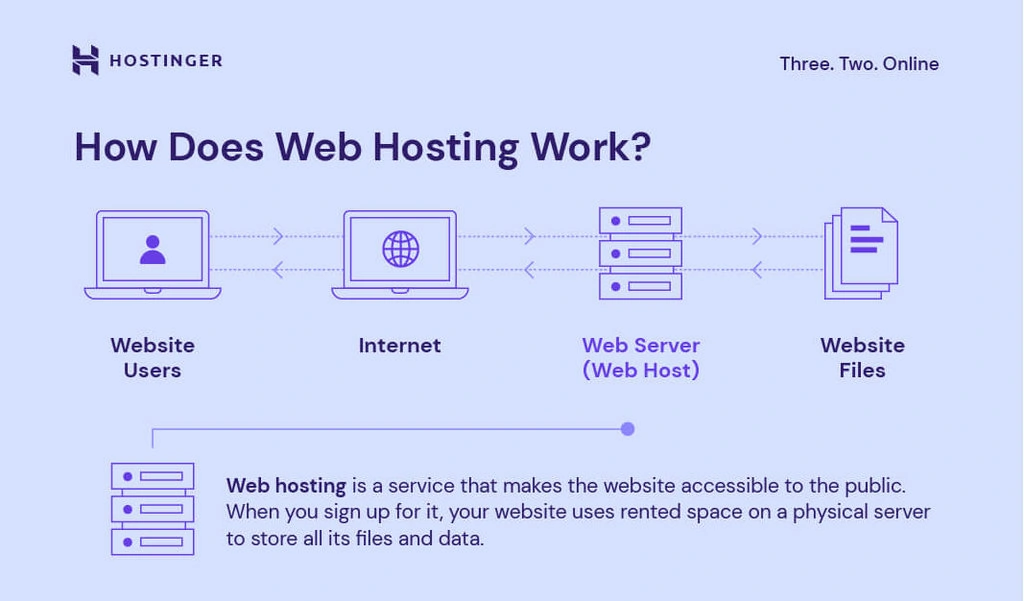
Credit: www.hostinger.com
Types Of Web Hosting
Shared Hosting is like a big house. Many websites live together. They share the same resources. This means space and speed. It costs less. It’s great for small websites. But, if one website gets busy, others slow down. It’s a good start for beginners.
VPS Hosting is like an apartment building. Each website has its own space. It uses virtual servers. This gives more control and privacy. It’s more expensive than shared. Good for websites that need more power. Middle-sized businesses often choose this.
Dedicated Hosting is like owning a house. The server is all yours. No sharing at all. It offers maximum control and security. It’s the most expensive. Best for large websites and big businesses. It needs technical skills.
Cloud Hosting uses many servers together. They work as a team. This means flexibility and scalability. If one server has a problem, others help. It’s good for websites that grow fast. It can be cost-effective. Many online shops use cloud hosting.
Key Features To Consider
Storage is where your website files live. More storage means more space for files. Bandwidth controls how much data users can download. This affects your website’s speed. Choose a plan that fits your needs. Enough storage and bandwidth are key for a smooth site.
Uptime means your website is live and working. A good uptime is 99% or higher. This ensures your site is available to users. Providers should offer a strong uptime guarantee. Downtime can frustrate visitors and lose trust.
Security keeps your website safe from hackers. Look for features like SSL certificates and firewalls. These protect data and user information. Security measures are crucial for trust and safety. Choose a host with strong security tools.
Customer support is there for help when needed. Look for 24/7 support services. It should be easy to contact them. Good support helps solve problems fast. This ensures your site runs smoothly.
Cost And Pricing Models
Hosting in web design involves storing website files on a server. This service ensures your site is accessible online. Cost and pricing models for hosting vary based on storage, bandwidth, and support features.
Monthly Vs. Annual Plans
Monthly plans are often more flexible. You can switch or cancel easily. Annual plans usually offer a discount. This saves money over time. Think about your budget and needs. Choose what fits best. Monthly is good for short-term projects. Annual is better for long-term use.
Free Vs. Paid Hosting
Free hosting seems great. But it has limits. Paid hosting offers more features. Free plans have ads on your site. Paid plans remove ads. They also give better speed and support. Free hosting is good for small sites. Paid hosting is ideal for business websites.
Hidden Costs
Some hosts charge extra fees. These are called hidden costs. Look for fees in contracts. You might pay for backups or extra storage. Check for renewal fees. Some hosts increase prices after the first year. Always read the fine print. Avoid surprises later.
Impact On Website Performance
Loading speed matters a lot for websites. Fast websites keep users happy. Slow websites make visitors leave. Hosting affects speed. Good hosting makes a site load quickly. Bad hosting slows it down. Quick loading means better user experience. It also helps in search rankings. Users love fast websites.
Scalability is important for growing websites. More visitors need more resources. Good hosting scales easily. Bad hosting struggles with more visitors. Scalability ensures websites run smoothly. It helps when traffic grows suddenly. Websites stay online without problems. This keeps visitors coming back.
Reliability means websites are always online. Good hosting provides reliable service. Websites should not go down often. Reliable hosting has fewer downtimes. This ensures users can access sites anytime. Reliability builds trust with visitors. They know the site is always there. Trust leads to more visits.
Choosing The Right Hosting Provider
Every business is unique. Web hosting should fit your goals. Some need more storage. Others need faster speeds. Think about your budget and future growth. This helps in choosing the best option.
Websites have different technical needs. Some need special software. Others may need more bandwidth. Ask about security features. Check if they offer daily backups. Make sure it supports your website’s tools.
Reviews show a provider’s real performance. Read both good and bad reviews. Look for patterns in customer feedback. Testimonials can be helpful. They tell you about customer support and reliability. Trust many voices, not just one.

Credit: www.facebook.com
Future Trends In Web Hosting
Eco-friendly hosting uses green energy. This helps the planet. Servers use a lot of power. Green hosting saves energy. It reduces pollution. Some companies plant trees. Others use solar power. This makes websites environmentally friendly. More businesses choose this option.
AI helps web hosting in many ways. It predicts server needs. This makes websites faster. AI fixes problems quickly. It also helps reduce downtime. Websites stay online more. AI can also help with security. It finds threats faster than humans.
Security is very important. Hackers try to steal data. New protocols protect websites. They use advanced encryption. This keeps data safe. Firewalls block bad traffic. Two-factor authentication helps too. It makes it harder for hackers. Websites stay safe and secure.
Credit: www.figma.com
Frequently Asked Questions
What Is A Hosting In A Website?
Website hosting stores and serves your site’s files on a server, making it accessible online. It ensures website performance, security, and reliability. Hosting providers offer various plans, including shared, VPS, and dedicated hosting, to suit different needs and budgets.
What Are The 3 Types Of Web Hosting?
The three types of web hosting are shared hosting, VPS hosting, and dedicated hosting. Shared hosting is cost-effective. VPS hosting offers more control and flexibility. Dedicated hosting provides maximum resources and customization. Choose based on your website’s needs and budget.
What Is The Purpose Of Hosting?
Hosting stores website files on a server, making them accessible online. It ensures website availability and performance. Hosting services provide necessary infrastructure, security, and support to maintain websites. Without hosting, sites cannot be accessed by users. Hosting enables domain management, data storage, and efficient site operation, enhancing user experience and site reliability.
What Is Web Designing And Hosting?
Web designing involves creating the layout and visual aesthetics of a website. Hosting provides the server space to store and display the website online. Together, they ensure a functional and visually appealing web presence.
Conclusion
Understanding hosting is crucial in web design. It impacts site speed and reliability. Choosing the right host affects your website’s performance. Good hosting enhances user experience. It supports site growth and security. Research different hosting options carefully. Consider your specific needs and budget.
Evaluate server uptime and customer support. Don’t overlook security features. They protect your data and users. Remember, hosting is the backbone of your website. Make informed decisions to ensure success. Your website’s future depends on it.


