
Are you ready to take your ideas online but feel lost with terms like hosting and domain registration? Understanding these two basics is the first step to making your website a reality.
Imagine your website as a house—your domain is the address, and hosting is the land it sits on. Without knowing how these work, your online presence can’t stand strong. This article will clear up the confusion and give you simple, clear answers so you can move forward with confidence.
Keep reading to discover what hosting and domain registration really mean for you and your website.
Hosting Basics
Hosting is where your website lives on the internet. It stores all your website files and makes them available online. Without hosting, people cannot visit your site. Hosting services provide space on a server to keep your site active 24/7.
Choosing the right hosting is important for your website’s speed, security, and reliability. Different types of hosting serve different needs. Understanding hosting basics helps you pick the best option for your site.
Types Of Hosting Services
There are several hosting types. Shared, dedicated, VPS, and cloud hosting are common. Each has unique features and costs. Your choice depends on website size, traffic, and budget.
Shared Vs. Dedicated Hosting
Shared hosting means many websites share one server. It is cheaper but slower. Dedicated hosting gives you one whole server. It is faster and more secure but costs more.
Cloud Hosting Explained
Cloud hosting uses many servers connected online. It spreads your website data across them. This makes your site more reliable. Cloud hosting can handle traffic spikes well.
Choosing The Right Hosting Plan
Think about your website needs. Small blogs do well with shared hosting. Large businesses need dedicated or cloud hosting. Consider speed, security, and price before deciding.

Credit: www.founderjar.com
Domain Registration Essentials
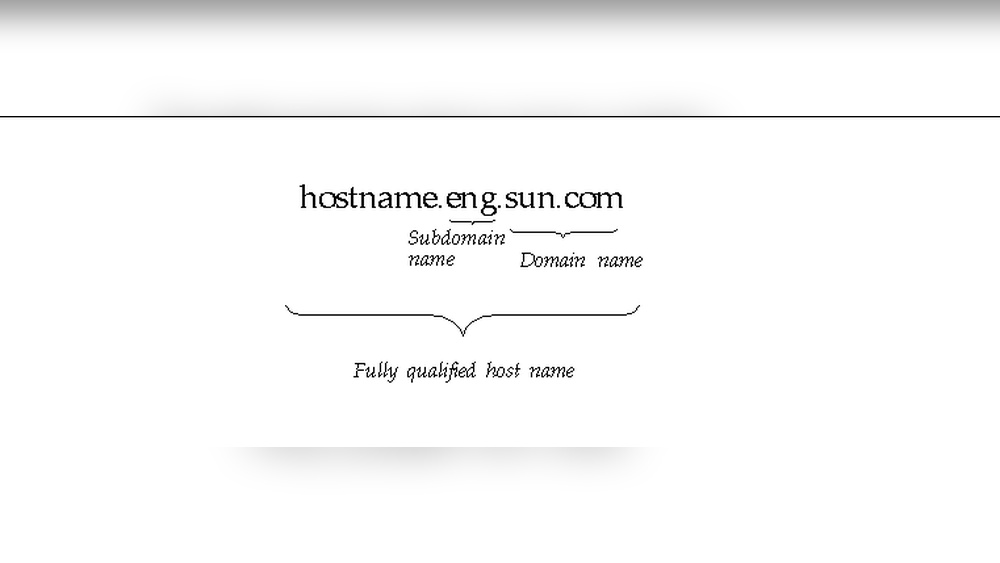
Domain registration is a key step in creating a website. It gives your site a unique address on the internet. Without a domain name, visitors cannot find your website easily. Understanding the basics helps you pick the right domain and register it properly.
This section explains what a domain name is, how domain registration works, top registrars, and tips for choosing a domain name.
What Is A Domain Name?
A domain name is the web address people type to visit your site. It looks like www.example.com. It replaces the complex IP numbers computers use to find websites. A domain name is easy to remember and share.
How Domain Registration Works
Domain registration means reserving a domain name for your website. You register through a domain registrar. This process connects your domain to your website’s hosting. Registration usually lasts one year and can be renewed.
Top Domain Registrars
Domain registrars are companies that manage domain name reservations. Popular ones include GoDaddy, Namecheap, and Google Domains. They offer tools to search, register, and manage your domain names. Prices and services vary by registrar.
Tips For Choosing A Domain Name
Choose a domain name that is short and easy to spell. Avoid numbers and hyphens to reduce confusion. Use keywords related to your website to help visitors understand your site. Pick a domain extension like .com or .net that fits your purpose. Check if the name is unique and not trademarked.
Connecting Hosting And Domain
Connecting your hosting and domain is a key step to get your website online. Your domain is the address people type to visit your site. Hosting is where your website files live on the internet. Linking these two lets visitors see your website by using your domain name.
This connection involves some technical details but is easy to manage. Understanding the role of DNS, how to point your domain to hosting, and securing your site with SSL will help you set up your website correctly.
Dns And Its Role
DNS stands for Domain Name System. It translates your domain name into an IP address. This address tells browsers where to find your website files on the hosting server. Without DNS, visitors cannot reach your website by typing your domain name.
DNS acts like a phone book for the internet. It makes the connection between your domain and hosting possible. Managing DNS settings is part of connecting your domain to your hosting.
Pointing Your Domain To Hosting
Pointing your domain means linking it to your hosting server. This is done by updating DNS records, usually the A record or nameservers. These changes tell the internet where your website files are stored.
You get DNS details from your hosting provider. Then, update your domain registrar with this information. After propagation, your domain will direct visitors to your hosting server.
Ssl Certificates And Security
SSL certificates secure the data sent between your website and visitors. They add a layer of protection, showing a padlock in the browser bar. This builds trust and improves your site’s ranking on search engines.
Many hosting providers offer free SSL certificates. Installing one is part of connecting your domain and hosting. It keeps your website safe and helps protect user information.
Costs And Renewal
Costs and renewal are key factors in hosting and domain registration. Knowing these expenses helps you plan your website budget. Renewal rules affect how long you keep your domain and hosting active.
Understanding these details protects your website from unexpected downtime or loss. It also helps avoid extra fees and surprises.
Understanding Hosting Fees
Hosting fees vary by type and provider. Shared hosting is usually the cheapest option. VPS and dedicated servers cost more but offer better performance. Monthly or yearly plans are common. Some hosts offer discounts for longer commitments. Check what features are included before buying. Extra costs may appear for backups, security, or extra storage.
Domain Registration Costs
Domain prices depend on the extension, like .com or .net. Popular domains cost more. New or unusual extensions may be cheaper. Registration usually lasts one year. Some providers offer discounts for first-time buyers. Privacy protection can add a small fee. Always compare prices before registering your domain.
Renewal And Expiry Risks
Renewal keeps your domain and hosting active. Missing renewal dates can lead to service suspension. Domains may enter a grace period, allowing late renewal at a higher cost. If expired too long, domains may become available to others. Set reminders to avoid expiry risks. Automatic renewal options can help secure your website’s continuity.
Common Mistakes To Avoid
Choosing the right hosting and domain registration services is important. Many people make common mistakes that can cause problems later. Avoiding these errors saves time, money, and stress. Learn about the key mistakes to watch out for during the process.
Choosing Incompatible Services
Some hosting plans do not work well with certain domain providers. This can cause technical issues. Check if the hosting supports your website type and domain extension. Avoid picking services that do not match your website needs.
Ignoring Renewal Dates
Domains and hosting need to be renewed regularly. Missing renewal dates can make your website go offline. Set reminders for renewal deadlines. Keep your payment info updated to avoid service interruption.
Overlooking Security Features
Security is often ignored during hosting and domain setup. Look for services with SSL certificates and malware protection. Protect your website from hackers and data theft. Security features keep your site safe and trusted.
Credit: blog.templatetoaster.com
Getting Started Quickly
Starting a website involves two main steps: hosting and domain registration. Hosting provides the space where your website lives online. Domain registration gives your website a unique name that people use to find it. Both steps are easy to complete with the right guidance. This section will help you begin quickly and confidently.
Step-by-step Setup Guide
First, choose a domain name that matches your website’s purpose. Use simple, clear words. Next, register the domain through a trusted provider. After that, select a hosting plan that fits your needs. Most hosts offer easy signup processes. Finally, connect your domain to your hosting account. This links your website name to its storage space. Following these steps creates a solid base for your site.
Tools And Resources
Many tools help with hosting and domain registration. Domain search tools show available names fast. Hosting platforms often provide one-click installations for popular website builders. Use control panels to manage your hosting easily. Online tutorials and guides offer step-by-step instructions. These resources save time and reduce errors during setup.
Where To Find Support
Most hosting companies offer customer support via chat, phone, or email. Support teams assist with technical issues and setup questions. Forums and community groups are good places to find answers. Many websites publish easy guides and videos. Use these help options to solve problems quickly and keep your site running smoothly.
Credit: websitesecuritystore.com
Frequently Asked Questions
What Is Web Hosting And Why Is It Important?
Web hosting stores your website files on a server accessible online. It ensures your site is live and available 24/7. Without hosting, your website cannot be accessed by users on the internet.
How Does Domain Registration Work For Websites?
Domain registration reserves your website’s address, like example. com. It links your domain to your hosting server, making your site reachable. Registration is done through domain registrars for a yearly fee.
Can I Host A Website Without Domain Registration?
Yes, but your site will have a generic URL, like IP address or subdomain. A registered domain improves branding, trust, and easy access for visitors.
What’s The Difference Between Hosting And Domain Name?
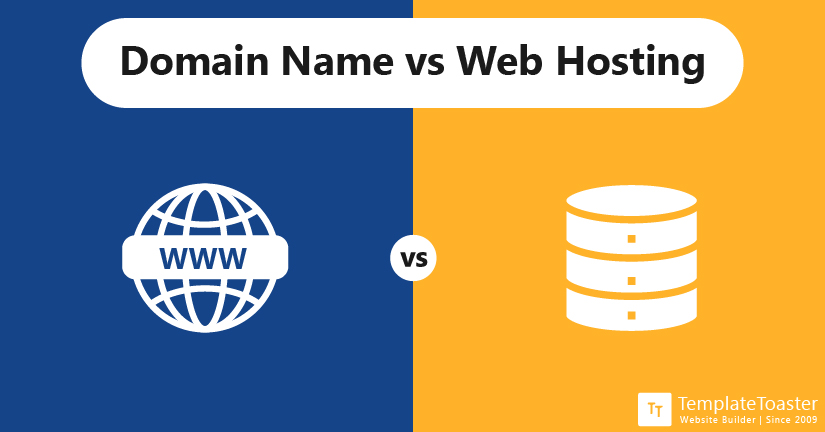
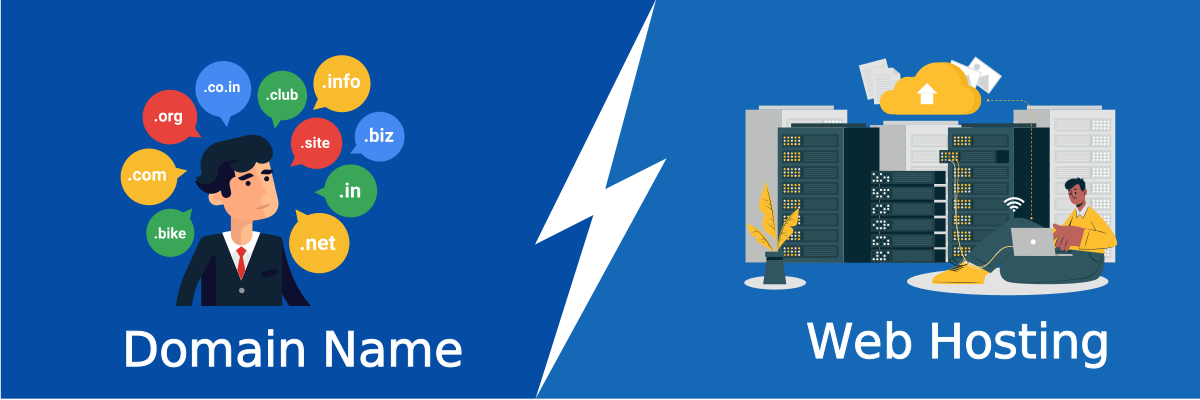
Hosting is the service that stores your website’s data. The domain name is your site’s address users type to visit. Both work together to make your website accessible online.
Conclusion
Hosting and domain registration form the base of every website. A domain name gives your site a unique address online. Hosting stores your website files and makes them visible on the internet. Choosing the right hosting and domain is important for website success.
Both services work together to help people find your site easily. Understanding these basics helps you build a strong online presence. Start with simple steps, and your website will grow over time. It’s easier than it seems once you know what each part does.


