
Have you ever wondered how some apps work seamlessly on any device with just an internet connection? The secret often lies in something called a “Hosted Web App.”
In a world where convenience and accessibility reign supreme, understanding hosted web apps can give you a competitive edge. Imagine having an app that doesn’t need constant updates or installations across different devices. Sounds like a dream, right? Well, it’s not.
Hosted web apps make this possible. They bring the best of both worlds: the ease of web access and the functionality of native apps. Whether you’re a tech enthusiast, a small business owner, or just someone looking to streamline your digital life, hosted web apps can be a game-changer. Stick around, and you’ll discover how they work, why they’re becoming increasingly popular, and how they can benefit you personally. Let’s dive into the fascinating world of hosted web apps and see what they can do for you!
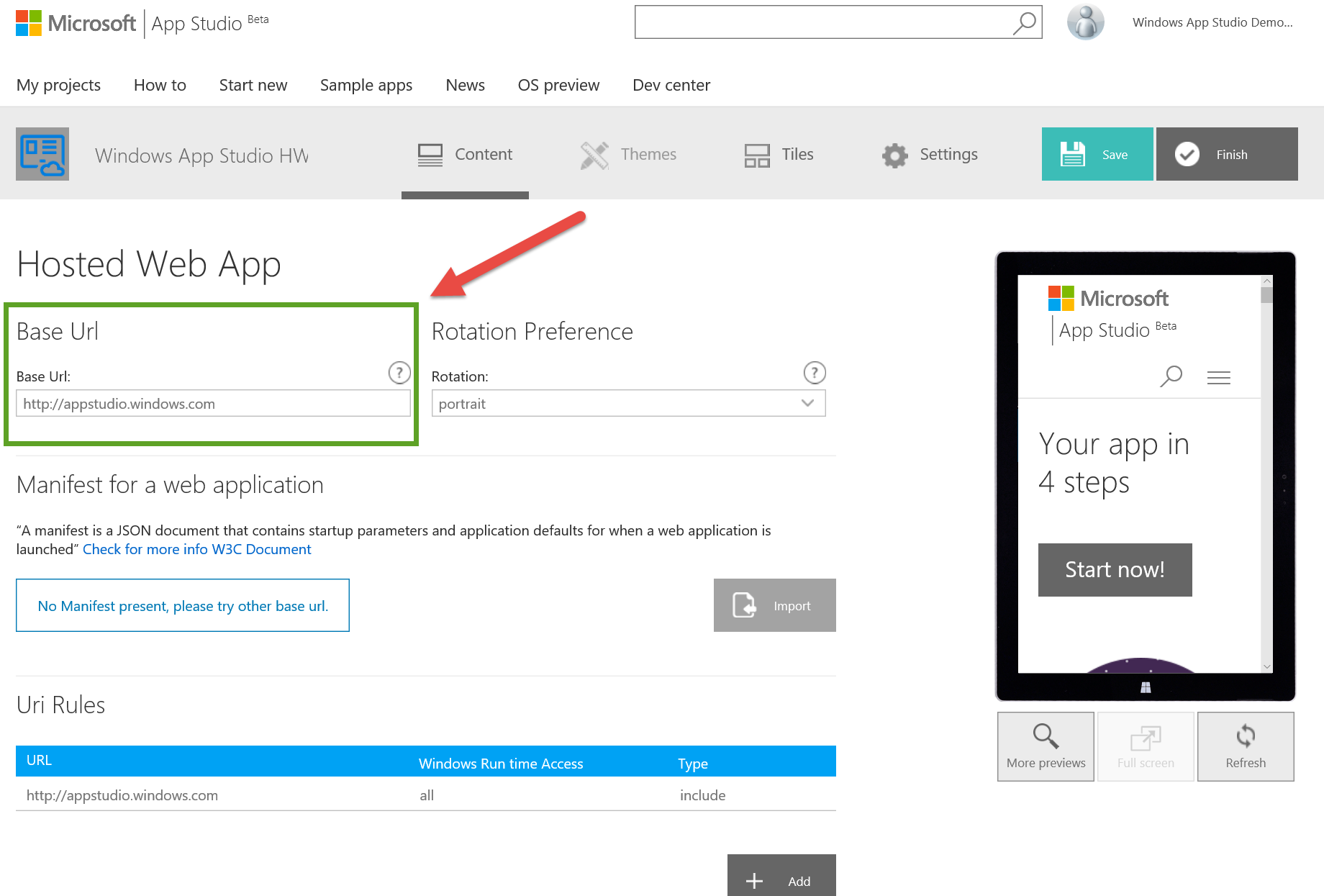
Credit: blogs.windows.com
Hosted Web App Basics
A Hosted Web App is a special type of app. It runs on the internet, not on your device. This means it uses a web server to work. You just need a browser to use it. No download is needed. This makes it easy and fast to use. A hosted web app updates automatically. You always get the latest version. It can also work on many devices. Computers, tablets, and phones can all use it.
Hosted web apps and traditional apps are not the same. Traditional apps are installed on your device. They take up space. Hosted apps do not. Traditional apps need updates from you. Hosted apps update by themselves. This is a big difference. You can use hosted apps almost anywhere. Traditional apps need your device. Hosted apps use the internet. This makes them flexible and convenient.
Technology Behind Hosted Web Apps
Hosted web apps use HTML for structure. Pages have tags like and . These tags help browsers understand the layout. CSS makes web apps look pretty. It adds colors and fonts. Styles change how pages appear. JavaScript brings action to web apps. It can make buttons work. It can show pop-ups. Together, they create interactive websites.
Web apps connect with cloud services. They store data online. This makes access easy from anywhere. Cloud services help apps stay fast. They handle lots of users. Hosted apps use APIs to talk to the cloud. APIs are like messengers. They send and get data. Integration with cloud services keeps apps reliable. It ensures safety of data.
Benefits Of Hosted Web Apps
Hosted web apps grow easily. They adapt to user needs. Scalability means they handle more users. Flexibility allows changes without problems. Businesses can expand smoothly. No need to worry about tech limits. Users get a better experience. Hosted apps fit different devices. They work on phones and computers. This helps reach more people. Changes happen fast and easily. Hosted apps are ready for growth.
Hosted web apps save money. No need for expensive hardware. They reduce maintenance costs. Businesses spend less on updates. Hosting services handle tech issues. This frees up resources. More funds go to other projects. Hosted apps offer affordable solutions. They fit different budgets. Small businesses benefit greatly. Money is saved on servers and IT staff. Hosted apps are a smart choice.

Credit: webostv.developer.lge.com
Challenges And Limitations
Hosted web apps can have security risks. Hackers may try to steal data. Protecting user information is hard. Developers must use strong passwords. They should also update software regularly. This helps keep data safe. Without updates, apps become vulnerable. Regular checks are important. They help find security issues early. Using secure connections is crucial. This stops hackers from listening in.
Performance can be a problem with hosted web apps. Slow speeds annoy users. Fast internet is necessary for good performance. Without it, apps lag. Large files can make apps slower. Developers must optimize app speed. They should reduce file sizes. This helps apps run smoothly. Users expect quick loading times. Slow apps can lose users. Efficient coding is key for performance.
Real-world Examples
Hosted web apps are everywhere. Google Docs is one example. You can write, edit, and share documents online. Another favorite is Spotify. It lets you stream music without downloads. People also use Slack. It’s great for team chats and file sharing. Trello is loved for task management. It helps organize projects with boards and cards. Dropbox is for saving and sharing files. It stores data safely in the cloud. These apps make life easier. They work on phones, tablets, and computers.
Hosted web apps help many industries. Healthcare uses them for patient records. Education benefits from online learning platforms. Retail uses them for selling goods online. Finance uses apps for online banking. Apps also help in real estate. They show property listings. Travel industry apps book flights and hotels. All these apps save time and money. They provide easy access to services.
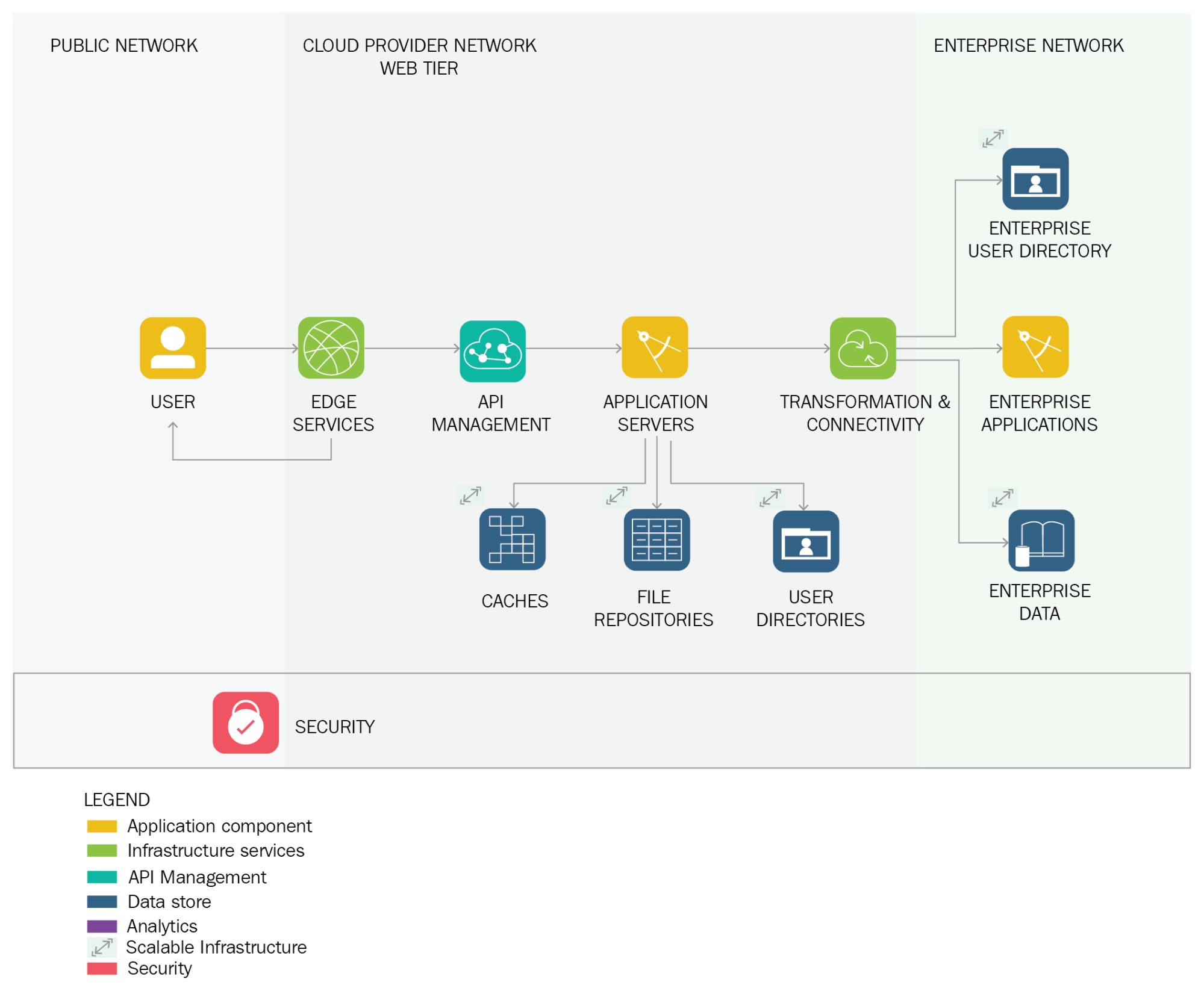
Credit: www.oreilly.com
Future Of Hosted Web Apps
Hosted web apps are getting more popular. People love them for their simplicity. They work on many devices. You don’t need to download anything. Just open your browser. You can use them anywhere. This makes them very flexible. More companies are making these apps now. They see how useful they are. This trend is growing every day.
New ideas are coming for hosted web apps. Soon, they might use artificial intelligence. This will help apps understand what you need. Apps could become even more interactive. They might use virtual reality too. Imagine using an app that feels real. These changes will make apps more fun. They will also be more helpful in daily life.
Frequently Asked Questions
What Is A Hosted Web App?
A hosted web app is a web-based application that runs on a remote server. Users access it via a web browser. It offers easy updates and maintenance, reducing the need for local installations. Hosted apps enhance scalability and accessibility, making them ideal for businesses and developers.
What Is An Example Of A Hosted Application?
An example of a hosted application is Google Workspace. It offers cloud-based productivity tools like Gmail, Docs, and Sheets. Users can access these applications online, without installing software on their devices. Hosted applications provide flexibility and scalability for businesses and individuals.
What Is Meant By Hosting A Web Application?
Hosting a web application involves storing it on a server, making it accessible via the internet. This enables users to interact with the application online. Web hosting services provide the necessary infrastructure and technology for application deployment, ensuring uptime, security, and scalability.
What Does It Mean To Host An App?
Hosting an app means storing it on a server, making it accessible online. It involves managing resources, ensuring performance, and providing security. Hosting services support app functionality, enabling users to interact with it via the internet. Choose reliable hosting providers for optimal app performance and user experience.
Conclusion
Hosted web apps offer a simple, efficient solution for businesses. They streamline development, reducing costs and time. This approach allows easy updates and maintenance. Users enjoy seamless access across different devices. Security and scalability are strong benefits. Hosted web apps fit well in today’s digital world.
They provide flexibility for growing needs. Consider adopting hosted web apps for a smoother digital journey. Their advantages make them a valuable choice. Ready to embrace the future? Explore hosted web apps today.


