
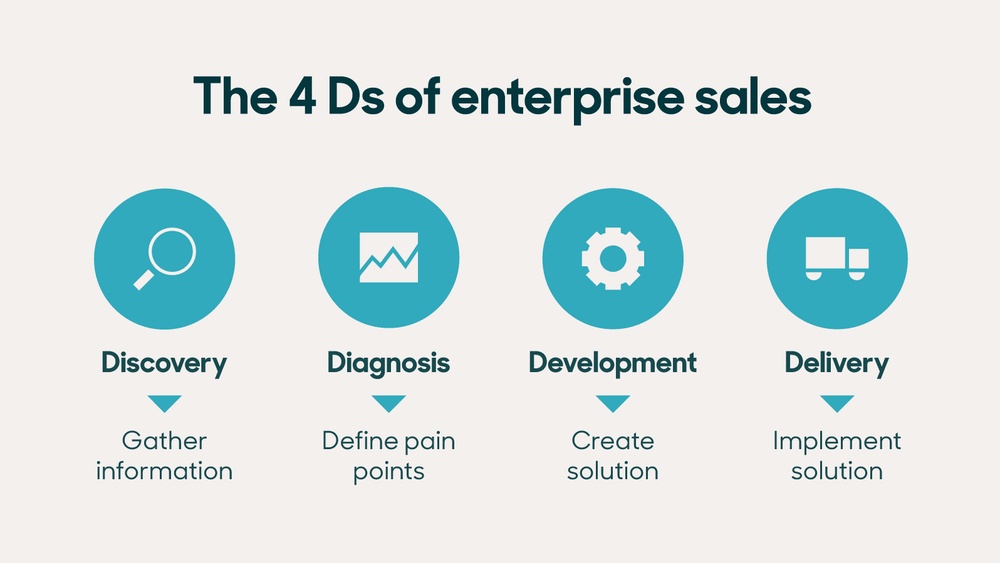
Are you curious about what makes enterprise solution sales different from regular sales? If you’re aiming to grow your business or break into bigger markets, understanding this process is key.
Enterprise solution sales involve selling complex products or services to large companies, often with long contracts and high stakes. This isn’t just about closing a quick deal—it’s about building trust, solving big problems, and creating lasting partnerships. Keep reading to discover what enterprise solution sales really mean and how mastering them can transform your approach to business.
Enterprise Solution Sales Defined
Enterprise solution sales focus on selling complex products or services to large organizations. These sales often involve high-value contracts, long sales cycles, and multiple decision-makers. The solutions are designed to meet broad business needs, often integrating with existing systems and processes.
Understanding enterprise solution sales requires recognizing the scope and scale of these deals. They differ greatly from simpler sales to smaller businesses due to their complexity and impact on the organization.
Key Features Of Enterprise Sales
Enterprise sales deals usually involve high-cost products or services. They require detailed customization to fit the client’s needs. The sales process is long and involves many stakeholders. Contracts often span several years and include ongoing support. Building strong relationships is essential for success. Sales teams must understand the client’s industry deeply. Solutions offered often improve efficiency or reduce costs significantly.
Differences From Small Business Sales
Small business sales tend to be quicker and simpler. They usually involve fewer people in the buying decision. Contracts are smaller and less complex. Enterprise sales require more detailed proposals and presentations. The risk and investment are much higher in enterprise sales. Customer needs are broader and more strategic. Enterprise sales often require collaboration across departments. Small business sales focus more on immediate needs and price sensitivity.
Credit: www.credly.com
Types Of Enterprise Solutions
Enterprise solutions come in many forms. They help large companies solve complex problems. These solutions improve efficiency, reduce costs, and support growth. Understanding the types of enterprise solutions helps businesses choose what fits best.
Software And Technology Solutions
These solutions include custom software made for big companies. Examples are AI systems that manage supply chains. Cybersecurity tools protect sensitive company data. Enterprise Resource Planning (ERP) systems help manage operations, finances, and resources in one place.
Manufacturing And Equipment Solutions
This type involves selling large machinery and equipment. Factories often buy high-value industrial machines to boost production. These sales usually involve long negotiation and support contracts. Equipment solutions help companies improve manufacturing efficiency and product quality.
Professional Services And Consulting
Consulting services guide companies through complex changes. Experts provide advice on strategy, technology, and operations. Professional services include training, system integration, and ongoing support. These solutions help businesses implement new systems smoothly and improve performance.
Examples Of Enterprise Sales
Enterprise sales involve selling complex products or services to large organizations. These sales often require long negotiations and tailored solutions. The deals usually include high-value contracts and multi-year commitments. Below are some common examples of enterprise sales across different industries.
Ai-powered Supply Chain Systems
Companies sell AI-driven software to optimize supply chain operations. These systems help large businesses reduce costs and improve delivery times. Implementing such solutions requires detailed customization and support.
Cybersecurity Multi-year Contracts
Cybersecurity firms offer long-term contracts to protect enterprises from digital threats. These deals include regular updates and ongoing monitoring. Large organizations invest heavily to secure sensitive data.
Enterprise Resource Planning Systems
ERP systems integrate core business processes like finance and inventory. Vendors sell these platforms to manage complex operations in big companies. ERP implementation often involves training and system integration.
Industrial Machinery Sales
Manufacturers provide heavy machinery to factories and production plants. These sales involve high costs and technical support over time. Equipment customization matches the specific needs of large industrial clients.
Fleet Management Systems
Enterprises purchase fleet management software to track and optimize vehicles. The systems include GPS tracking, maintenance scheduling, and fuel monitoring. These solutions improve efficiency and reduce operational costs.
Marketing Strategy Services
Consultants offer tailored marketing plans to enhance brand reach for enterprises. These services cover market research, campaign management, and analytics. Contracts often span multiple years and involve detailed reporting.
Cloud Migration Projects
Technology providers assist enterprises in moving data and applications to the cloud. These projects require careful planning and execution to avoid downtime. Cloud migration helps companies scale and improve accessibility.

Credit: www.optimiser.com
Sales Process In Enterprise Deals
The sales process in enterprise deals is detailed and structured. It involves multiple steps to address the needs of large organizations. Each stage builds trust and ensures the solution fits the client’s business goals. Success depends on clear communication and collaboration throughout the process.
Initial Client Engagement
The first step is reaching out to the client. Sales teams research the company and its industry. They introduce the product or service clearly and professionally. The goal is to start a conversation and understand the client’s interest. Building rapport early helps open doors for deeper discussions.
Needs Assessment And Customization
Next, the sales team gathers detailed information about the client’s challenges. They listen carefully to understand business needs and pain points. This step helps tailor the solution specifically for the client. Customization shows the client that the offer fits their unique requirements.
Proposal And Negotiation
After assessing needs, the team creates a detailed proposal. It outlines features, benefits, costs, and timelines clearly. The client reviews the proposal and asks questions. Negotiations focus on price, contract terms, and delivery schedules. Both sides work to find a fair agreement.
Implementation And Support
Once the deal is signed, the implementation phase begins. The solution is installed or integrated into the client’s systems. Training and support help the client use the product effectively. Ongoing assistance ensures the solution continues to meet their goals.
Challenges In Enterprise Sales
Enterprise sales face many challenges that can slow down the process and increase complexity. Selling to large organizations is not simple. It requires patience, strategy, and strong relationships. Understanding these challenges helps prepare sales teams for success.
Long Sales Cycles
Enterprise sales often take months or even years to close. Decision makers need time to review proposals and budgets. Multiple meetings and presentations are common. Patience and persistence are key to navigating long timelines.
Complex Decision-making Units
Large companies have many stakeholders involved in buying decisions. Each person has different needs and concerns. Sales reps must address various opinions and build consensus. Understanding the roles of each member is essential.
High Risk And Investment
Enterprise purchases usually involve significant costs and risks. Buyers worry about return on investment and potential disruptions. Sales teams must show clear value and risk mitigation. Trust is crucial to ease buyer concerns.
Customization Demands
Enterprises often need tailored solutions to fit their processes. Off-the-shelf products rarely meet all requirements. Sales teams work closely with technical experts to customize offerings. Flexibility and adaptability improve chances of success.
Strategies To Unlock Business Growth
Strategies to foster business growth in enterprise solution sales focus on building trust, using data smartly, and showing clear benefits. These approaches help companies connect with clients and prove their value. The right mix of strategy increases sales success and strengthens business ties.
Building Strong Client Relationships
Trust forms the base of strong client relationships. Regular communication helps understand client needs better. Listening carefully leads to tailored solutions. Showing commitment over time builds confidence. Happy clients often become repeat buyers and refer others.
Leveraging Technology And Data
Technology aids in tracking customer behavior and preferences. Data analysis reveals patterns and areas for improvement. Using CRM tools keeps all client information organized. Automation speeds up routine tasks, letting sales teams focus on strategy. Smart use of technology improves decision-making and efficiency.
Focusing On Value And Roi
Clients want clear benefits from their investment. Explaining how solutions save time or cut costs attracts interest. Sharing success stories and case studies proves value. Quantifying return on investment builds trust. Sales efforts centered on client gains create stronger deals.
Aligning Sales And Marketing Efforts
Sales and marketing teams must share goals and information. Consistent messaging across channels strengthens brand trust. Marketing generates qualified leads for sales follow-up. Collaboration ensures client needs are met from first contact to closing. A united approach speeds up the sales process and boosts results.

Credit: spotio.com
Frequently Asked Questions
What Is Enterprise Solutions Sales?
Enterprise solutions sales involve selling complex, large-scale products or services to big organizations. These deals often include long contracts, high value, and tailored implementations to meet specific business needs.
What Does Enterprise Solution Do?
Enterprise solutions streamline complex business processes, optimize resources, and improve overall organizational performance through large-scale software applications.
What Is An Example Of An Enterprise Solution?
An example of an enterprise solution is an ERP system that manages operations, finances, and supply chains for large companies.
What Is An Example Of Enterprise Sales?
An example of enterprise sales is selling a customized ERP system to a large manufacturing company for managing operations.
Conclusion
Enterprise solution sales focus on meeting large companies’ complex needs. These sales often involve long contracts and detailed planning. They require understanding the client’s business and providing tailored solutions. Success depends on building strong relationships and offering real value. Knowing the basics helps navigate this challenging field.
Keep learning to improve your approach and results. Enterprise solution sales play a key role in business growth and efficiency.


