
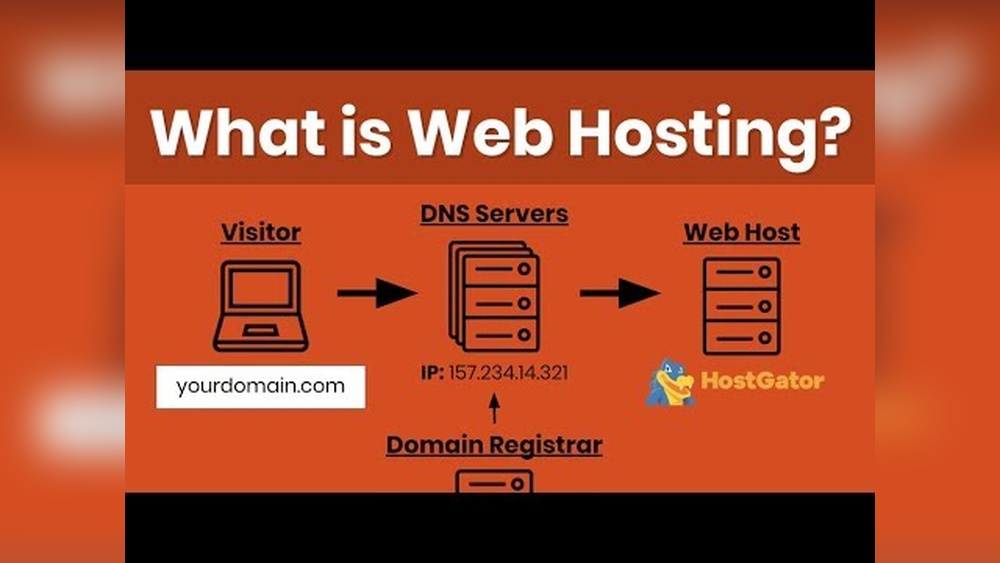
Have you ever wondered what makes your favorite websites appear instantly when you type their names? It all starts with something called a domain host.
If you’re new to building a website or just curious about how the internet works, understanding what a domain host is can save you time, money, and frustration. You’ll discover exactly what a domain host does, why it matters for your online presence, and how choosing the right one can make all the difference.
Keep reading—your website’s success depends on it.
Credit: sanitysoftwares.com
Domain Hosting Basics
Understanding domain hosting is important for anyone starting a website. Domain hosting connects your website name to the internet. It makes your site visible to visitors worldwide. This section explains the basics of domain hosting. Learn how it works and the types available.
What Is Domain Hosting
Domain hosting is a service that stores your website’s domain name. It links your domain to a web server. This connection allows people to access your site by typing the domain name. Without domain hosting, your website cannot be found online.
How Domain Hosting Works
When you register a domain, you choose a hosting provider. The provider stores your domain information on their servers. These servers translate the domain into an IP address. Web browsers use this IP address to load your website. This process happens quickly to show your site instantly.
Types Of Domain Hosting
There are several types of domain hosting to suit different needs. Shared hosting is affordable and easy for beginners. VPS hosting offers more control and power. Dedicated hosting gives full server access for large websites. Each type affects speed, security, and cost differently.
Key Features To Look For
Choosing the right domain host affects your website’s success. Several key features matter most. These features ensure your site runs smoothly and stays safe. They also help you get support when needed. Understanding these features makes picking a host easier and smarter.
Reliability And Uptime
Reliability means your website stays online without interruptions. Uptime is the time your site is available to visitors. A good host offers at least 99.9% uptime. This prevents your site from going offline often. Reliable hosting keeps visitors happy and improves search rankings.
Speed And Performance
Fast loading times keep visitors engaged. Speed depends on server quality and location. A strong host uses modern servers and technology. Good performance lowers bounce rates. Slow sites lose visitors quickly and rank lower in search results.
Security Measures
Security protects your website from hackers and threats. Look for hosts that offer SSL certificates. Regular backups and malware scanning are essential. Strong security keeps your data safe. This builds trust with your visitors.
Customer Support
Support helps solve problems quickly. Choose a host with 24/7 customer service. Multiple contact options like chat, email, and phone are best. Fast, friendly support minimizes downtime and frustration. Good support guides you through technical issues easily.
Pricing And Plans
Compare pricing to find a plan that fits your budget. Check what features are included in each plan. Avoid hidden fees or costly upgrades. Flexible plans let you grow your website. Clear pricing helps avoid surprises later.
Popular Domain Hosting Providers
Choosing the right domain hosting provider is important for your website’s success. Popular providers offer different services and plans. Understanding these options helps you pick the best fit.
This section reviews top domain hosts, compares their unique features, and lists pros and cons. It gives clear information to make your choice easier.
Top Industry Players
Some of the most popular domain hosting providers include GoDaddy, Bluehost, Namecheap, and HostGator. These companies serve millions of users worldwide. They offer domain registration and web hosting services. Each has a strong reputation and a large customer base.
Unique Features Comparison
GoDaddy offers a simple user interface and 24/7 support. Bluehost provides free SSL certificates with hosting plans. Namecheap is known for affordable prices and free privacy protection. HostGator features unlimited storage and bandwidth in many plans. Each provider has tools and extras that stand out.
Pros And Cons Of Each Provider
GoDaddy’s pros are easy setup and many domain extensions. Its cons include higher renewal fees. Bluehost has strong WordPress support but fewer domain options. Namecheap offers low prices and free WhoisGuard but slower customer service. HostGator gives flexible plans but can have upselling during checkout.

Credit: www.elegantthemes.com
Choosing The Right Provider
Choosing the right domain host provider is a key step for your website’s success. The right provider ensures your site runs smoothly and stays online. Many options exist, so knowing what to consider helps you pick the best one. Focus on your needs, the provider’s reputation, user feedback, and future growth possibilities.
Assessing Your Needs
Start by listing what your website requires. Consider storage space, bandwidth, and email accounts. Think about the type of site—blog, store, or portfolio. Some hosts specialize in specific site types. Match their services to your goals. Don’t choose extra features you won’t use. This saves money and simplifies management.
Evaluating Provider Reputation
Check how long the provider has operated. A long history often means stable service. Look for awards or industry recognition. Strong security measures and uptime guarantees matter. Reliable providers offer 24/7 support. Avoid hosts with frequent downtime or data breaches. Reputation shows how well they treat customers.
Checking User Reviews
Read reviews from real users. They share honest experiences about speed, support, and reliability. Watch for repeated complaints or praise. Pay attention to recent reviews since services can change. Forums and social media offer valuable insights. User feedback helps avoid bad surprises.
Considering Scalability Options
Think about your site’s future growth. Choose a host that can handle more traffic. Check if plans allow easy upgrades. Scalability prevents costly moves later. Some providers offer flexible packages. This keeps your site ready for success and growth.
Setting Up Your Domain Host
Setting up your domain host is a crucial step for your website. It connects your domain name with your web hosting service. This process makes your website accessible on the internet. Understanding each step helps you avoid common mistakes. Let’s explore the main parts of setting up your domain host.
Registering Your Domain
First, choose a domain name that fits your website. It should be short, clear, and easy to remember. Use a trusted domain registrar to register your name. Provide accurate contact information during registration. This step secures your domain and protects it from others.
Linking Domain To Hosting
Next, link your domain to your hosting provider. Find the nameservers provided by your host. Update your domain settings with these nameservers. This action connects your domain to the website files stored on your host. It may take a few hours to complete.
Managing Dns Settings
DNS settings control how your domain directs traffic. Access your domain control panel to manage DNS records. Common records include A, CNAME, and MX records. Ensure these records point to the correct IP addresses. Proper DNS management keeps your website running smoothly.

Credit: www.temok.com
Common Issues And Troubleshooting
Common issues arise when managing domain hosting. Knowing how to troubleshoot helps keep your website online and safe. This section covers frequent problems and practical fixes.
Domain Propagation Delays
Domain propagation means updating domain information worldwide. This process can take up to 48 hours. During this time, your site might not appear correctly. Patience is key. Check propagation status with online tools. Avoid making many changes at once. Wait before testing your website again.
Ssl Certificate Setup
SSL certificates secure your website by encrypting data. Incorrect setup causes security warnings for visitors. Make sure the certificate matches your domain name. Follow your host’s instructions carefully. Renew SSL certificates before they expire. Test SSL installation with free online checkers. Fix errors quickly to protect user trust.
Handling Downtime
Downtime means your website is temporarily unavailable. Causes include server issues or maintenance. Monitor your website uptime regularly. Choose a reliable host with good support. Have a backup plan to restore your site fast. Inform visitors if downtime lasts long. Downtime hurts user experience and rankings.
Renewal And Expiration Tips
Domain and hosting services need regular renewal. Missing renewal dates causes website and email to stop working. Set reminders before expiration. Enable auto-renew if possible. Keep your payment details updated with your host. Check renewal notices in your email. Renew early to avoid losing your domain.
Frequently Asked Questions
What Is A Domain Host In Simple Terms?
A domain host stores your website’s domain name and connects it to the internet. It ensures your site is accessible online 24/7.
How Does A Domain Host Differ From Web Hosting?
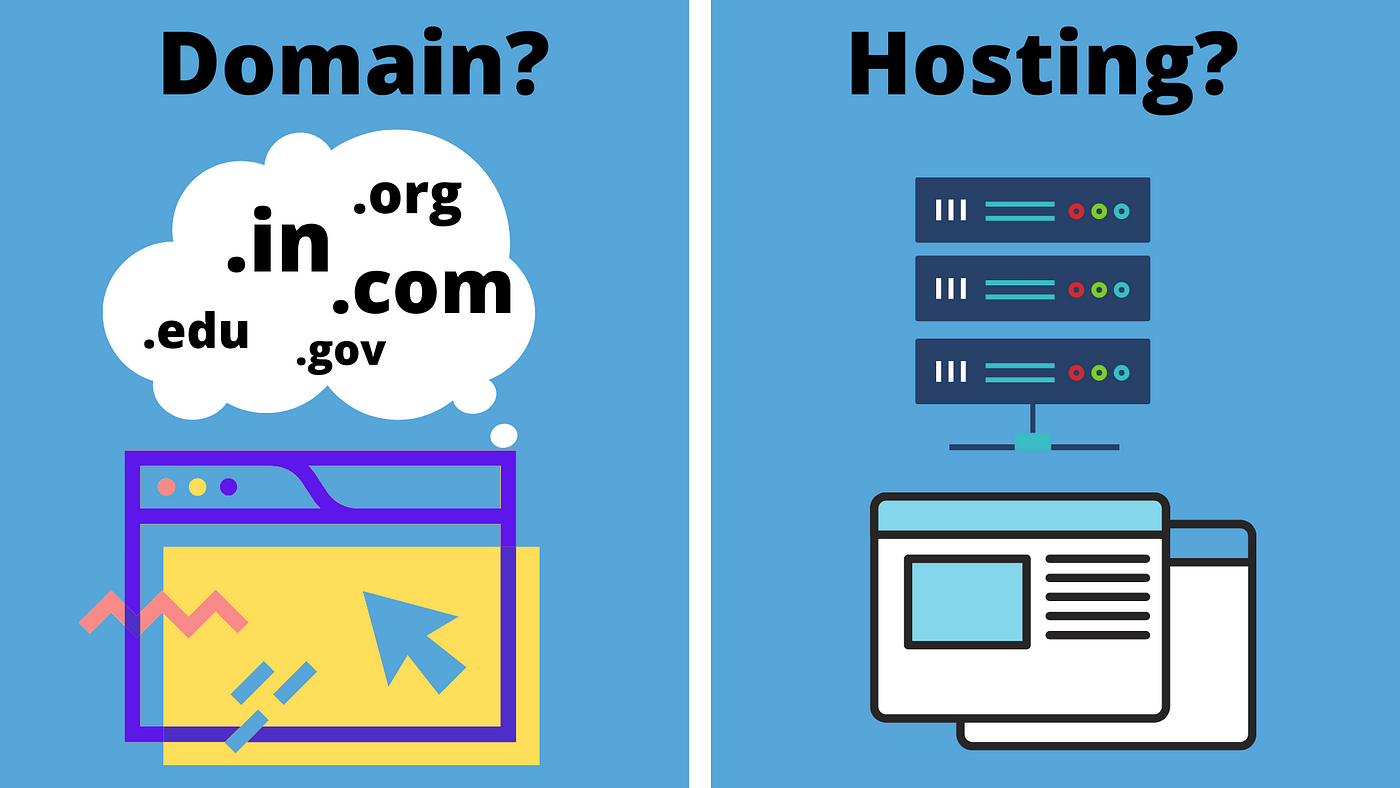
Domain hosting manages your domain name registration. Web hosting stores your website files on a server. Both work together for online presence.
Why Is Choosing A Reliable Domain Host Important?
A reliable domain host ensures your website remains accessible. It offers security, uptime, and easy domain management for smooth online operations.
Can I Transfer My Domain To Another Host?
Yes, you can transfer your domain to another host. The process involves unlocking your domain and obtaining an authorization code from your current provider.
Conclusion
Domains and hosts work together to get your website online. A domain is your website’s address. Hosting is the space where your website lives. Both are needed for people to find and visit your site. Choosing the right host helps your website run smoothly.
Understanding these basics saves time and trouble later. Now, you know what domains and hosts mean. Ready to create your online presence?


