
Are you considering creating your own website but feel overwhelmed by all the technical jargon? You’re not alone.
Many people feel confused when they first encounter terms like “domain registration” and “web hosting. ” These concepts are essential for anyone looking to establish an online presence, yet they often seem cloaked in mystery. Imagine having a clear, straightforward understanding of these key elements, enabling you to make informed decisions without any hassle.
This article will unravel the mysteries of domain registration and web hosting, showing you exactly what you need to get started on your online journey. Ready to demystify these terms and gain the confidence to launch your website? Let’s dive in.
Domain Registration Basics
A domain name is like a website’s home address. It helps people find your site on the internet. Without a domain name, websites would be hard to locate. Think of it as a name tag for your online space.
Picking the right domain is crucial. It makes your site easy to remember. A good domain name should be short and simple. Choose a name that reflects your site’s purpose. This helps visitors trust your site.
Domain registration is the process of buying a domain name. First, you check if the name is available. Then, you register it with a registrar. You pay a fee to keep the name yours. This ensures no one else can use it.

Credit: www.wpbeginner.com
Web Hosting Essentials
Domain registration reserves your website name, making it unique online. Web hosting provides the space for your site to live and be accessed by users worldwide. Together, they form the foundation of your online presence, ensuring your website is both identifiable and reachable.
What Is Web Hosting?
Web hosting is like renting space on the internet. It allows websites to be visible online. Without hosting, websites cannot be accessed by others. Hosting providers store your website’s data on their servers. Servers are powerful computers that run all day and night. This ensures your website is always visible. Hosting is important for any website owner.
Types Of Web Hosting Services
There are different types of web hosting. Shared hosting is where many websites share one server. It is usually cheaper. Dedicated hosting is where one website uses a whole server. It is more costly but offers better performance. VPS hosting is like having your own small server. It gives more control. Cloud hosting uses many servers together. It is flexible and can grow with your needs.
Choosing The Right Web Hosting Provider
Picking a hosting provider is important. Look for good customer support. Make sure they offer reliable uptime. Check if they have easy-to-use tools. Compare prices and features. Read reviews from other users. Choose a provider that fits your needs. Ensure they can grow with your website. A good provider makes website management easy.
Domain And Hosting Relationship
Domain registration secures a website’s unique name, while web hosting stores its files online. Together, they enable a website’s accessibility on the internet. A domain directs visitors to the hosted content, forming the backbone of every website’s online presence.
How Domains And Hosting Work Together
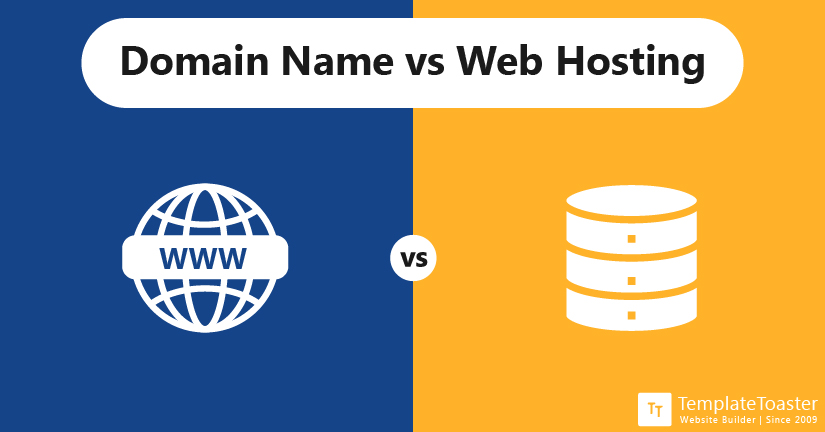
Domains and hosting are like a house and its address. A domain is the name of your website. Hosting is where your website lives. Together, they make your site visible online. You need both to have a functioning website. Without hosting, a domain is just a name. Without a domain, hosting is an empty space. They work together to bring your site to the world. Think of the domain as the signpost. Hosting is the building itself. Both are crucial for your website.
Linking A Domain To A Hosting Service
Linking a domain to hosting is important. It connects your website name to its home. First, you buy a domain name. Then, you choose a hosting service. You need to change domain settings. This links your domain to the host. A domain points to the IP address of the host. This process makes your website appear online. It’s easy and essential for your site. Without this link, your site won’t show up.
Steps To Register A Domain
Picking the right name is important. The name should be easy to remember. Avoid using hard words. Keep it short and simple. A unique name is a good choice. It should relate to your business or idea. A good domain name helps people find you online.
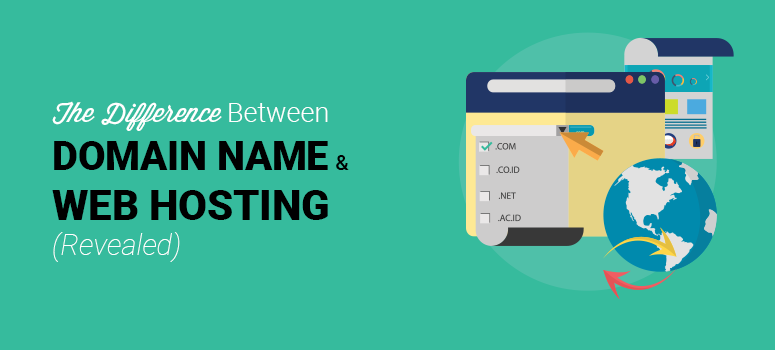
Check if your chosen name is free. Many tools can help with this. A domain name must be unique. If it’s taken, try a new name. Consider using different endings like .com or .net. It’s important to find one that is not in use.
Choose a trusted registrar for your domain. Many companies offer this service. Enter your chosen domain name. Provide personal details. Pay the registration fee. After this, the domain is yours. Remember to renew it every year.
Setting Up Web Hosting
Domain registration gives your website a unique address on the internet. Web hosting stores your site’s files on a server, making it accessible online. Together, they create a complete online presence for your business or personal site.
Signing Up For Hosting Services
First, choose a hosting provider. Compare prices and features. Look for good customer support. Sign up on their website. You may need to pick a plan. Basic plans are often enough. Enter your personal details. Provide your payment information. Complete your registration.
Configuring Your Hosting Account
Log into your hosting account. Find the control panel. It’s often called cPanel. Look for domains and emails settings. Set up your domain name. Create your email addresses. Adjust any security settings. Save your changes. Your account is now configured.
Uploading Your Website
Prepare your website files. Use an FTP client to upload them. FileZilla is a good choice. Connect to your server using FTP. Enter your login details. Find the public_html folder. Upload your files there. Check your website online. It should be live now.
Credit: blog.templatetoaster.com
Managing Domains And Hosting
Domain registration secures your website’s unique name online, while web hosting stores your website files on the internet. They work together to make your site accessible to users worldwide. Understanding these basics helps in managing your website effectively.
Renewing Domain Registration
Domains need regular renewal. Don’t let them expire. To keep your domain, renew it on time. Many companies offer reminders. These help you remember. Keep contact info updated. This ensures you get reminders. Automatic renewal is an option. It saves time and worry. Check with your provider for details.
Transferring Domains
Moving a domain to another host is called transferring. It’s a simple process. First, unlock the domain. Next, get the authorization code. This code is important. Share it with the new provider. They will guide you through the process. Transfer can take a few days. During this time, the website stays online.
Upgrading Hosting Plans
Your website may grow over time. More visitors and content need more space. Upgrading hosting plans can help. Look for more storage and speed. Check your current plan first. Compare it with others. Find the best fit for your needs. Upgrading can improve website performance.
Common Challenges And Solutions
Navigating domain registration and web hosting can be tricky. Many struggle with choosing the right provider or understanding tech jargon. Solutions include researching providers and seeking advice from online forums.
Dealing With Domain Expiration
Domains can expire if not renewed on time. This may cause your website to go offline. Set reminders to renew your domain before it expires. Many registrars offer auto-renewal options. Always keep your contact information updated. This ensures you receive renewal notifications. Losing a domain can lead to losing visitors. Act quickly if you receive a domain expiration notice. Preventing domain expiration is crucial for website uptime.
Troubleshooting Hosting Issues
Hosting issues can disrupt your website. Slow loading times can annoy visitors. Check your hosting plan’s resources. Upgrade if necessary for better performance. Sometimes, server downtime occurs. Contact your hosting provider for support. Regularly update your website’s software. This helps avoid compatibility issues. Keep backups of your website data. This ensures quick recovery if problems arise.
Future Trends In Domain And Hosting
New domain extensions are growing. These extensions offer more choices. People can pick names that match their brand. Unique names help stand out. They make websites easier to find. SEO benefits are also big. Special extensions can improve search rankings. Businesses get more traffic. Extensions like .tech or .shop are popular. These show what the site is about. Picking the right extension is key. It affects visibility and recognition.
Hosting technology is changing fast. Cloud hosting is a big trend. It offers flexibility and speed. Websites load quickly. This keeps users happy. Security is also improving. New tools protect sites from attacks. Green hosting is gaining attention. It reduces energy use. This is better for the planet. Tech upgrades make hosting smarter. They help sites run smoothly. Better hosting means more reliable websites.
Credit: www.isitwp.com
Frequently Asked Questions
What Is The Difference Between Web Hosting And Domain Registration?
Web hosting stores your website files on a server. Domain registration secures your website’s unique address. Hosting ensures site accessibility, while a domain provides an online identity. Both are essential for establishing an online presence.
How Much Does Web Hosting Cost?
Web hosting costs vary, typically ranging from $2 to $30 per month. Pricing depends on features, storage, and bandwidth. Shared hosting is cheaper, while VPS and dedicated servers cost more. Choose based on your website’s needs and budget.
What Is The Meaning Of Domain Hosting?
Domain hosting refers to storing website files on a server, making them accessible online. It involves managing domain names and ensuring website functionality. Hosting services provide the space and technology needed for websites to be viewed on the internet. Choose a reliable host for optimal performance and security.
What Is The Difference Between A Website And A Domain?
A website is a collection of web pages that users access via the internet. A domain is the unique address or URL that identifies a website, like “example. com”. Websites need domains to be found online, while domains direct users to specific websites.
Conclusion
Understanding domain registration and web hosting is essential for your online presence. A domain acts as your website’s address. Easy to remember, easy to type. Web hosting provides the space for your website’s files. Think of it as your site’s home.
Together, they make your website accessible to everyone. Choosing the right provider is key. Look for reliable service, good support. Your website’s success depends on it. Start with a clear plan. Know your needs and budget. This ensures a smooth online journey.
Simple steps, big impact. Your website awaits.


