
Imagine you’re about to open a new store. You have fantastic products, a catchy name, and a great marketing plan.
But where will your store be located? And how will customers find it? The online world works in a similar way. To bring your website to life, you need two crucial elements: a domain name and web hosting. These are the cornerstones of your online presence.
But what exactly are they, and why are they so important for your website? You’ll discover the simple yet critical roles domain names and web hosting play in making your website accessible to the world. By the end, you’ll know how to choose the right ones to ensure your website runs smoothly and stands out from the crowd. Ready to unlock the secrets to a successful online identity? Let’s dive in.
Credit: www.isitwp.com
Domain Name Basics
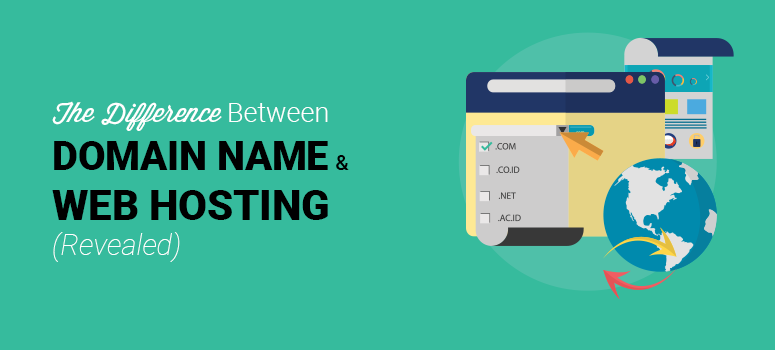
A domain name is like a home address. It helps people find your website on the internet. Each website needs a unique domain name. This name is made up of letters and numbers. For example, google.com is a domain name.
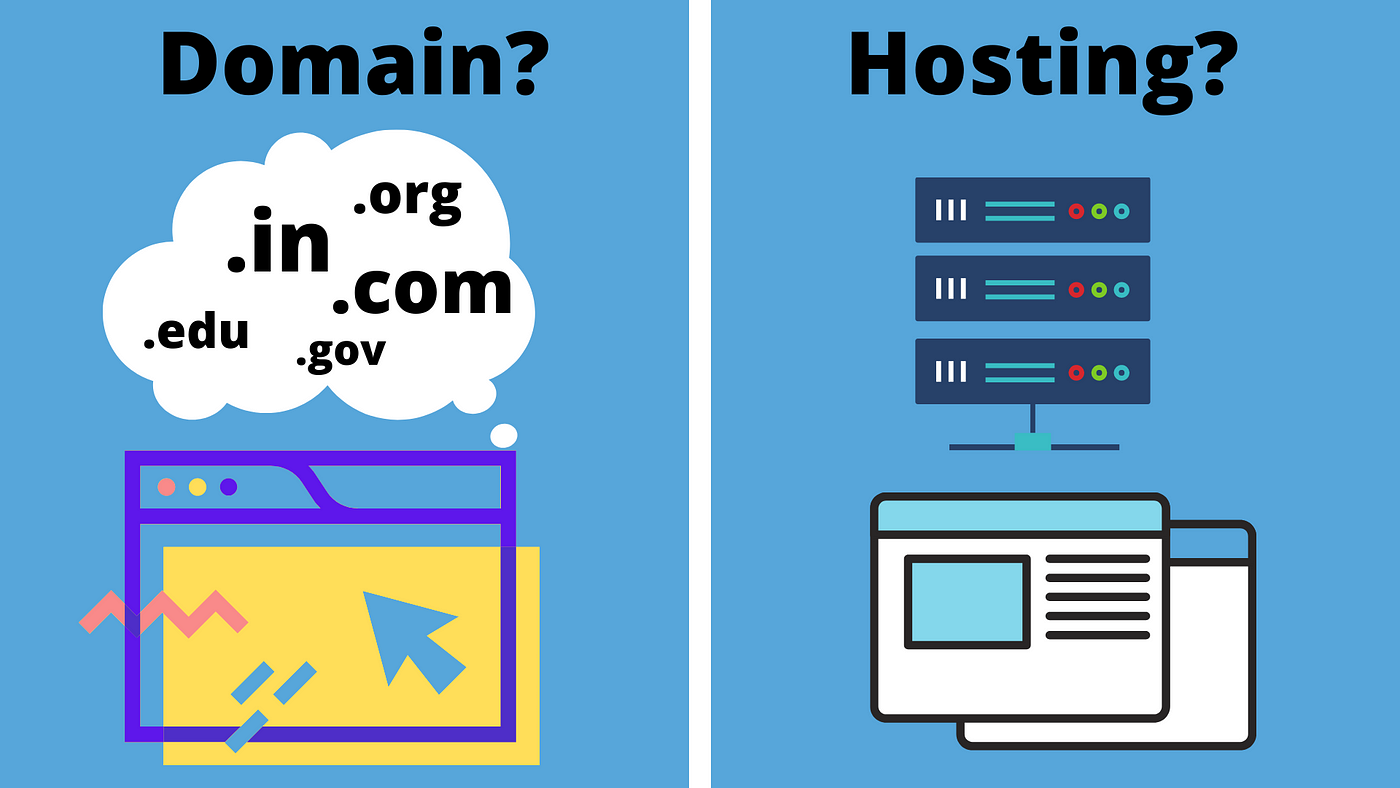
Domains end with extensions like .com, .org, or .net. These endings tell more about the website. A domain name is easy to remember. It makes visiting websites simpler. Without a domain name, you must use long numbers called IP addresses. That is hard to remember.
Domain names help people find your site easily. They make your website look professional. People trust sites with clear domain names. A good domain name helps build your brand. It tells people what your site is about. Choosing the right domain is very important. It can help your site grow.
Components Of Domain Names
Every domain name ends with a TLD. Common TLDs are .com, .org, and .net. These are the most known. TLDs help in identifying the type of website. Some TLDs are specific to countries, like .uk for the United Kingdom. Choosing the right TLD is very important. It impacts the website’s trust.
This part is unique to each website. It comes before the TLD. In www.example.com, “example” is the second-level domain. This part is often a brand name. It makes the website stand out. The second-level domain is chosen carefully. It should be easy to remember.
Subdomains help organize websites. They come before the second-level domain. An example is blog.example.com. Here, “blog” is the subdomain. Subdomains are useful for different sections. They separate content without needing a new domain. Many websites use subdomains for specific functions.
Choosing A Domain Name
Pick a name that is short and easy to remember. It should be simple to spell. Avoid numbers and hyphens. Make sure it reflects your website’s purpose. Consider your target audience and what they might search for.
Use keywords in your domain name. This helps in search results. Keep it relevant to your content. Avoid overstuffing with keywords. Try to include location if it matters. Use a .com extension if possible. It is the most recognized.
Check for trademarks before choosing a name. Avoid names similar to existing brands. This can lead to legal trouble. Use the WHOIS tool to check availability. Register your domain to protect it from others.
Credit: blog.templatetoaster.com
Web Hosting Essentials
Web hosting means storing your website on a server. This server is like a big computer. It helps others see your website online. Think of it as a home for your site. Without web hosting, your site can’t be seen by anyone. You rent space on a server to make this happen. It’s important for your website’s visibility and performance.
Web hosting plays a big part in managing a website. It keeps your site running smoothly. If your site grows, you might need more space. Hosting services help with this. They also keep your site safe and secure. Backups are made to protect your data. Hosting is like a guardian for your site. It takes care of many important tasks. This allows you to focus on creating content.
Types Of Web Hosting
Shared hosting is a popular choice for beginners. Many websites share a single server. This makes it affordable. Websites may load slower due to shared resources. Best for small sites or blogs.
Dedicated hosting gives you a whole server. No sharing with others. Faster and more secure. Costs are higher. Ideal for large businesses with many visitors. You have full control over the server.
VPS stands for Virtual Private Server. It is a middle option. You share a server but have your own space. Offers more control than shared hosting. Good for sites needing more power.
Cloud hosting uses many servers. Your site can grow easily. This means reliability and scalability. Good for sites with changing traffic. Pay for what you use. It can be cost-effective.
Credit: mayankavasthi.medium.com
Selecting A Web Hosting Provider
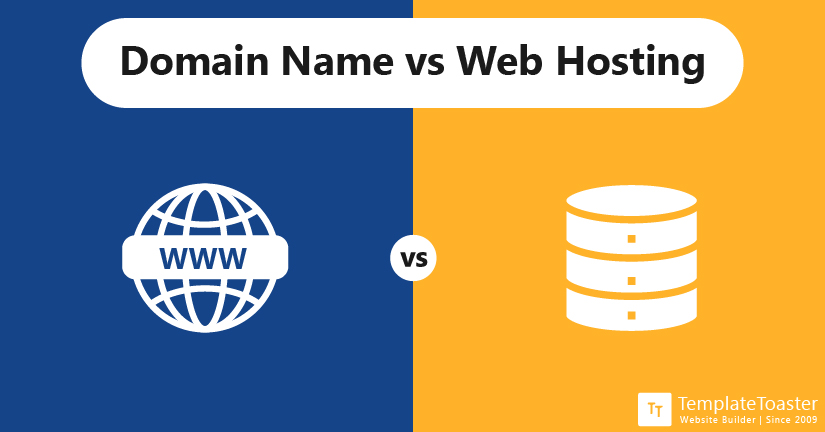
A domain name is your website’s address on the internet, like a digital street sign. Web hosting is where your website’s data lives, allowing it to be accessible online. Choosing the right provider ensures your site loads quickly and stays secure.
Evaluating Features
Choosing the right web hosting provider is crucial. Look for storage options and bandwidth limits. Check if they support multiple domains. Security features are important too. SSL certificates, firewalls, and backups keep data safe. Customer support is vital. It should be available 24/7. A good provider offers email accounts. This helps with professionalism. Consider user-friendly control panels. They make website management easier.
Cost Considerations
Compare prices of different providers. Budget-friendly options are available. Watch for hidden fees. Some providers offer free trials. This helps you test services. Check for money-back guarantees. This ensures satisfaction. Consider the cost of add-ons. Extra features may cost more. Balance between cost and quality.
Reliability And Performance
Websites need to load quickly. Uptime guarantees are crucial. Look for 99.9% uptime or higher. Check for server locations. Closer servers mean faster load times. Scalability is important for growing websites. Choose a provider with room to grow. Performance monitoring tools help track website speed. They identify issues early. Opt for providers with good reviews.
Connecting Domain Name And Hosting
Domain names serve as unique addresses for websites. Web hosting provides the space to store website files online. Connecting them ensures your site is accessible to users globally.
Dns Configuration
DNS stands for Domain Name System. It helps connect domain names to web hosting. You need to set up DNS records. These records tell where your website lives. The most common record is A record. It points to your server’s IP address. Another important record is CNAME. It helps with subdomains. You can also use MX records for email services. Proper configuration ensures your website is visible online.
Setting Up Email
You can create custom email addresses. These emails match your domain name. You need email hosting for this. MX records direct emails to your server. Set these records in your DNS settings. Choose an email hosting provider. They offer different features. Some offer spam protection. Others give more storage. Check the provider’s settings. Follow their guide to set up your email. Enjoy sending emails from your domain.
Future Trends In Domain And Hosting
New TLDs change the internet world. Many websites use these new endings. They help in branding. Think of .shop, .tech, or .blog. These endings can make a site stand out. People remember them easily. They give more options to website owners. The internet becomes more diverse with new TLDs.
Hosting technology gets better every year. Faster servers mean quicker websites. Cloud hosting grows popular. It is flexible and easy to use. Many companies switch to cloud hosting. It can handle more visitors without slowing down. Security improves too. Hosting providers use better tools to keep sites safe. Regular updates keep sites secure.
Frequently Asked Questions
What Is Web Hosting And Domain?
Web hosting stores your website’s files on a server, making it accessible online. A domain is your website’s address, like www. example. com. Both are essential for a functioning website.
Do I Need Web Hosting If I Have A Domain Name?
Yes, a domain name alone doesn’t make a website visible. Web hosting stores your site’s files, making it accessible online. Without hosting, your domain remains inactive, lacking content for visitors to view. Hosting services provide the necessary infrastructure to display your website to users globally.
What Is An Example Of A Domain And Hosting?
A domain example is “example. com”, representing your website’s address. Hosting refers to a service like Bluehost, providing server space for your website files.
Are Domain And Host The Same Thing?
Domain and host are not the same. A domain is your website’s address, like www. example. com. Hosting refers to the server where your website’s files are stored. Both are essential for a website to function properly. Choose a reliable hosting provider and a memorable domain name for best results.
Conclusion
Understanding domain names and web hosting is essential. Both form the foundation of your online presence. A domain name acts like your website’s address. Web hosting is the space where your website lives. Together, they make your site accessible to users worldwide.
Choosing the right provider is crucial. Look for reliable services that fit your needs. Start small, then scale as your site grows. With the right domain and hosting, your website can thrive. Make informed choices to ensure a smooth experience.
Building your online space is easier than it seems. Happy website building!


