
Imagine you’re about to open your very own online shop. You’ve got the products, the design, and the passion.
But wait—before you can welcome your first customer, there’s a vital step you need to take: setting up your website’s domain and subdomain. These are not just technical terms; they are the foundations of your online presence. Whether you’re a business owner, a blogger, or someone looking to establish an online identity, understanding domains and subdomains can significantly impact your success.
You’ll discover what these elements are and how they function in web hosting. Get ready to unlock the potential of your online space and learn how to make your website not only accessible but also memorable. Curious about how domains and subdomains can shape your internet journey? Let’s dive in!
Domain Basics
A domain is a website’s address on the internet, like a home address. Subdomains are extensions of the main domain, helping organize different sections, such as blog. example. com. Both play key roles in web hosting and site navigation.
Definition Of Domain
A domain is a name for a website. It is the address where users find your site. Domains are easy to remember. They replace long numbers used by computers. Domains have two parts: a name and an extension. Example: example.com. “Example” is the name. “.com” is the extension. Extensions vary. Common ones are .com, .org, .net.
Importance In Web Hosting
Domains are vital in web hosting. They give each site a unique identity. Without a domain, users cannot find your website easily. Domains make websites accessible. They help in building trust. A good domain boosts brand value. Users remember easy names. Complex names confuse users.
Subdomain Essentials
A subdomain is a part of your main domain. It helps to organize your website. Think of it as a folder. Each subdomain can have its own pages. This makes it easy to manage different sections.
Subdomains are visible before the main domain. For example, in blog.example.com, “blog” is the subdomain. They help in making a website more structured. Each subdomain is like a different room in a house.
Subdomains are important for large websites. They allow users to find what they need quickly. Also, they help in managing content better. This keeps everything tidy and easy to use.
Differences Between Domain And Subdomain
Domains and subdomains are different parts of a website address. A domain is the main name of a site. It is like a home address. A subdomain is a smaller part. It is like a room in the house. Domains have extensions like .com, .org, or .net. Subdomains do not have extensions. They come before the main domain name. Example: blog.example.com. The main domain is example.com. The subdomain is blog.example.com.
Subdomains help organize large websites. They can be used for different sections. A company might use a subdomain for its shop. Example: shop.example.com. Subdomains are also used for testing. They allow safe changes. Example: test.example.com. Personal sites may use subdomains for blogs. They keep the blog separate. Example: blog.example.com. Subdomains are flexible. They help manage content.

Credit: www.crazydomains.com
How Domains Work
The Domain Name System helps us find websites. It acts like a phonebook for the internet. We type a domain name into our browser. Then, the system finds the correct website address. This address is known as an IP address. Without this system, remembering website numbers would be hard.
To own a domain, you need to register it. This process is done through a registrar. A registrar is a company that sells domain names. You can choose a name that fits your site. But, the name must be unique. If someone else owns it, you cannot use it. The registration is usually for one year. You can renew it to keep the domain longer.
Subdomain Implementation
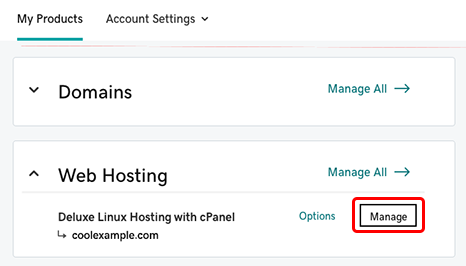
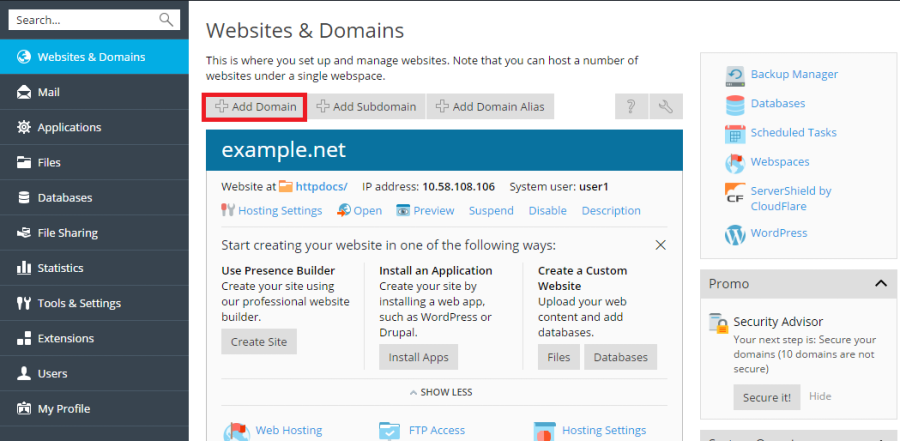
Setting up subdomains is easy. Start by accessing your hosting panel. Look for the subdomain section. Enter the name you want. Choose the main domain it belongs to. Click create. Your subdomain is now ready.
Subdomains have many uses. They help organize content. You can use them for blogs. Online stores often use subdomains. Schools use them for student portals. Subdomains can separate different parts of a site.
Credit: www.godaddy.com
Benefits Of Using Subdomains
Subdomains help in keeping your website neat. Each section can have its own subdomain. For example, a blog can be blog.yoursite.com. This makes it easy for visitors to find what they need. Businesses use subdomains for different branches. It helps in separating content without mixing things up. Subdomains also allow different design styles. You can have a unique look for each section.
Using subdomains can help with SEO. Search engines treat each subdomain like a new site. This can improve your site’s ranking. Having keywords in the subdomain name can boost visibility. Visitors can find what they need faster. Subdomains can target different languages or regions. This helps in reaching a wider audience. It can increase traffic to your main site.
Challenges And Considerations
Understanding domain and subdomain in web hosting involves navigating technical choices and their impact on website structure. Balancing user experience, SEO, and technical setup presents unique challenges and considerations. Proper planning ensures efficient site management and optimal online presence.
Technical Challenges
Setting up a domain and subdomain can be tricky. You need to understand DNS settings. This includes A records and CNAME records. Each part must be correct. A small error can cause problems. Your website might not load. This can frustrate visitors.
Security is another concern. You must protect your domain and subdomain. Use strong passwords. Enable SSL certificates. This keeps your data safe. Visitors will trust your site more. Regular updates are important too. They fix bugs and improve security.
Management Issues
Managing multiple subdomains can be tough. It requires careful planning. Each subdomain might need different resources. You must allocate them wisely. This includes server space and bandwidth. Overloading a server can slow down your site.
Consistent branding across subdomains is key. Visitors should recognize your site easily. Use similar colors and logos. This builds trust and loyalty. Keep track of each subdomain’s performance. Use tools to monitor traffic and issues. This helps in making improvements.
Future Trends In Domain And Subdomain Usage
Domains and subdomains play a key role in web hosting, shaping how websites are organized. Future trends suggest increased personalization and enhanced security for domains. Subdomains will likely become crucial for businesses to manage diverse content efficiently. Understanding their functions can improve website structure and performance.
Innovations In Web Hosting
Web hosting is changing fast. New ideas come every day. Cloud hosting is popular now. It helps websites run smoother. AI technology improves how sites work. It fixes problems quickly. Blockchain adds safety to hosting. It keeps data safe and private.
Domains and subdomains are important. They help users find sites easily. Custom domains are more common now. They make sites look unique. Subdomains help organize content. They keep information neat.
Impact On Digital Strategy
Domains shape digital plans. They tell the site’s story. SEO helps domains rank high. It uses keywords smartly. Subdomains also help SEO. They target specific users.
Digital strategies are evolving. Mobile-first design is key. It makes sites work well on phones. Fast loading pages are crucial. Users want speed and ease. Domains must adapt to these trends.
Credit: docs.plesk.com
Frequently Asked Questions
What Is Domain And Subdomain With Example?
A domain is a website’s primary address, like “example. com”. A subdomain is a subset, like “blog. example. com”. Domains represent the main website, while subdomains organize and separate content within the main site. They enhance navigation and improve user experience.
Do I Own A Subdomain If I Own A Domain?
Owning a domain gives you control over its subdomains. You can create and manage subdomains. Ownership of the domain grants you the rights to configure its structure, including subdomains.
What Is The Difference Between Primary Domain And Subdomain?
A primary domain is the main website address, while a subdomain is a separate section under the primary domain. Subdomains often serve specific purposes, like a blog or store. Both are part of the same website but have distinct URLs.
How To Tell If A Domain Is A Subdomain?
A subdomain appears before the main domain name, separated by a dot (e. g. , subdomain. example. com). It extends the main domain, serving specific purposes like organizing website sections or creating unique pages. Check the URL structure for a dot before the main domain to identify subdomains.
Conclusion
Understanding domains and subdomains is essential for web hosting. Domains are your website’s main address. Subdomains help organize content under the main domain. They offer flexibility and improve navigation. Knowing the difference can enhance your online presence. Proper use of domains and subdomains boosts user experience.
They also aid in SEO efforts, making your site more visible. Choose wisely to meet your website needs. Remember, clarity in your domain structure is key. It keeps visitors engaged and satisfied. Start with a simple plan, and your site will thrive.


