
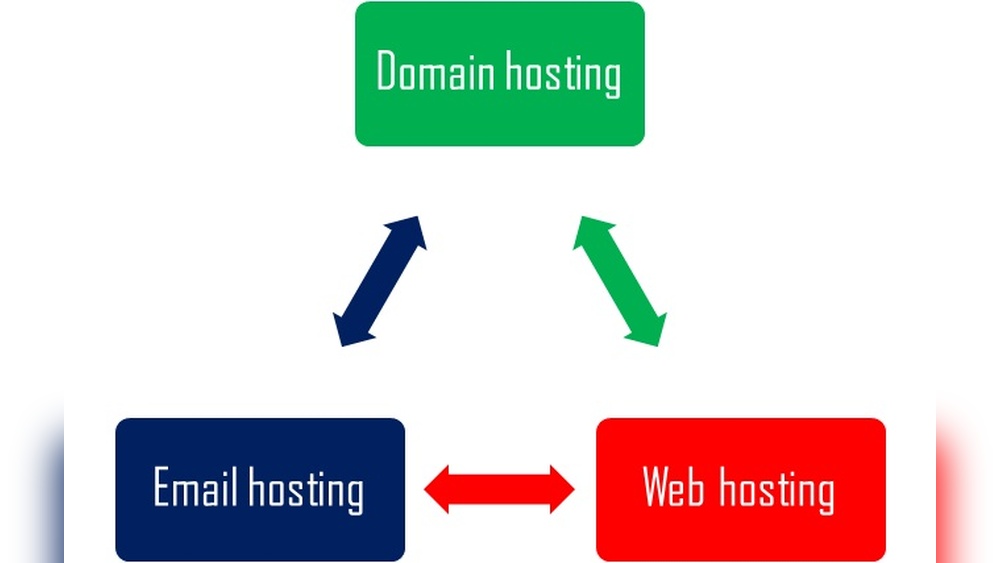
Have you ever wondered what makes your favorite websites and emails work smoothly? It all comes down to two key services: domain hosting and email hosting.
If you’re starting your own website or want a professional email setup, understanding these basics is crucial. This article will clear up the confusion and show you exactly what domain and email hosting are, why you need them, and how they can make your online presence stronger.
Stick with me, and by the end, you’ll feel confident managing your online space like a pro.

Credit: www.hostpapa.com
Domain Basics
Understanding domain basics is the first step in creating a website or email service. A domain is your website’s address on the internet. It helps visitors find your site easily. Choosing and managing a domain properly sets a strong foundation for your online presence.
How Domains Work
Domains translate website names into IP addresses. Computers use IP addresses to find each other online. Without domains, people would need to remember long strings of numbers. Domains make the internet user-friendly and simple to navigate.
Choosing The Right Domain Name
Pick a domain name that is short and easy to remember. Avoid using complex words or numbers. Your domain should reflect your brand or business clearly. A good domain name helps visitors trust and recognize your site quickly.
Domain Extensions Explained
Domain extensions are the endings like .com, .net, or .org. They show the type or location of a website. Some extensions are for businesses, others for organizations or countries. Choosing the right extension matches your site’s purpose and audience.
Email Hosting Essentials
Email hosting is a key part of running a professional online presence. It allows businesses and individuals to send, receive, and store emails using their own domain name. This section explains the basics of email hosting and why it matters.
Understanding email hosting helps you make smart decisions for your communication needs. It ensures your emails are reliable, secure, and professional.
What Is Email Hosting
Email hosting is a service that manages your email servers. It stores your emails and handles sending and receiving messages. Instead of using free email services, you use your own domain name. This gives your email addresses a professional look, such as name@yourcompany.com.
Benefits Of Professional Email
A professional email builds trust with customers and clients. It shows you take your business seriously. Emails from your domain look more credible than generic addresses. This can increase your chances of getting responses. Professional email also improves brand recognition. Every email is a chance to remind people about your business.
Types Of Email Hosting Services
Email hosting comes in different forms. Shared hosting means many users share the same server. It is affordable but may have limits. Dedicated hosting offers a private server just for your email. It gives better speed and security. Cloud-based hosting uses internet servers to deliver email services. It is flexible and scalable. Each type suits different business sizes and needs.
Domain Hosting Explained
Domain hosting is a key part of having a website online. It stores your website’s files on a server, making them accessible to visitors. Without domain hosting, your website cannot be seen on the internet.
Understanding domain hosting helps you pick the right service for your site. It affects your site’s speed, security, and reliability. Let’s explore what domain hosting does and how to choose the best option.
What Domain Hosting Does
Domain hosting keeps your website files on a server. This server connects to the internet 24/7. When someone types your domain name, the server shows your website. Hosting also provides space for email services linked to your domain.
It manages traffic to your site and protects it from attacks. Good hosting ensures your site loads quickly and stays online.
Shared Vs Dedicated Hosting
Shared hosting means many websites use one server. It costs less but shares resources like CPU and memory. This may slow down your site if others use too much power.
Dedicated hosting gives you a whole server. Your site runs faster and has better security. It costs more but suits bigger or busy websites.
Factors To Consider When Choosing A Host
Look for uptime guarantees to keep your site live. Check how much storage and bandwidth you get. Fast servers improve user experience and SEO.
Customer support is important for quick problem solving. Security features protect your site from hackers. Choose a host that fits your budget and needs.
Credit: momentum3growth.com
Setting Up Domain And Email
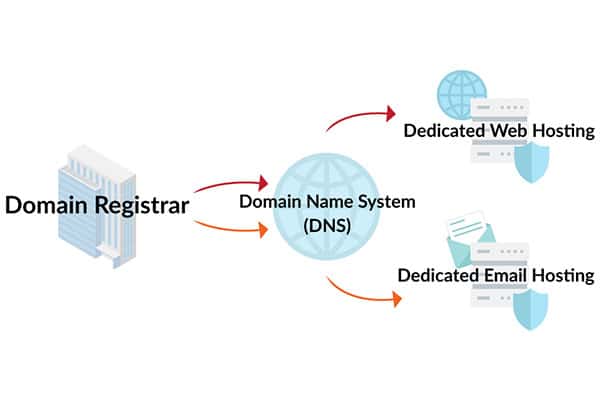
Setting up a domain and email is the first step to building an online presence. The process starts with securing a domain name. Then, you connect it to web services. Finally, you create email accounts linked to your domain. This setup helps establish a professional look for your website and communication.
Registering Your Domain
Choose a domain name that fits your brand or purpose. Use a trusted domain registrar to buy your domain. Domains usually cost a small yearly fee. Check if your chosen name is available. After payment, you officially own the domain for a set time.
Configuring Dns Settings
DNS settings tell the internet where to find your website and email. Access your domain registrar’s control panel. Update the DNS records to point to your hosting provider. Common records include A, CNAME, MX, and TXT. Correct DNS setup ensures visitors reach your site and emails go to the right place.
Setting Up Your Email Accounts
Create email addresses that use your domain, like info@yourdomain.com. Log in to your hosting or email service dashboard. Add new email accounts and set passwords. Configure email clients or apps to send and receive mail. Using a domain-based email improves trust and brand consistency.
Boosting Website Performance
Boosting website performance is essential for keeping visitors happy. Fast, secure sites build trust and improve user experience. Both domain and email hosting play key roles in this process. Choosing the right hosting can lead to better speed, safety, and reliable email service. These factors help your website run smoothly and efficiently.
Impact Of Hosting On Website Speed
Website speed depends heavily on hosting quality. Servers closer to your visitors load pages faster. Good hosting offers powerful servers and enough bandwidth. Slow hosting can cause delays and lost visitors. Fast loading times improve search engine rankings. Hosting with content delivery networks (CDN) further boosts speed.
Security Features To Look For
Secure hosting protects your website and data. Look for SSL certificates to enable HTTPS. Strong firewalls block unwanted traffic and attacks. Regular backups keep your site safe from data loss. Hosting with malware scanning helps detect threats early. Choose providers that offer secure email protocols like SPF and DKIM.
Optimizing Email Deliverability
Email hosting affects how well your messages reach inboxes. Reliable servers prevent emails from going to spam. Proper DNS settings, like MX records, are essential. Authentication tools such as SPF and DKIM improve trust. Consistent sending behavior avoids blacklists. Good email hosting ensures your communications arrive on time.
Common Issues And Fixes
Domain and email hosting can face issues that disrupt your online presence. These problems can be technical and confusing. Knowing common issues helps you fix them quickly. This keeps your website and email running smoothly.
Troubleshooting Domain Problems
Domain problems often start with DNS errors. DNS tells browsers where your site lives. Check if your domain is correctly pointed to your hosting server. Use online tools to verify DNS settings. Expired domains cause downtime. Renew domains on time to avoid loss. Incorrect name servers block access. Update name servers as needed. Clear your browser cache after changes.
Resolving Email Delivery Issues
Email delivery problems include delays and missing messages. Check your SMTP settings; they must be correct. Spam filters can block important emails. Add trusted contacts to your whitelist. Full inboxes stop new mail from arriving. Regularly clean your mailbox. Blacklists can block your email server. Use tools to check if your IP is blacklisted. Set up SPF, DKIM, and DMARC records to prevent spoofing.
Maintaining Your Hosting Environment
Keep your hosting updated to avoid security risks. Regularly back up your website and emails. Monitor server performance to catch slowdowns early. Remove unused files and databases to save space. Use strong passwords to protect your accounts. Check for software updates and install them promptly. Monitor bandwidth usage to prevent overage charges. Contact your host support for persistent problems.
Choosing The Right Providers
Choosing the right domain and email hosting providers is crucial for your online presence. The right choice ensures your website stays online and your emails reach the inbox. Poor providers can cause downtime and lost messages. Focus on reliability, support, and features. This guide helps you compare and evaluate top providers.
Comparing Top Domain Registrars
Domain registrars sell domain names and manage your registration. Popular registrars include GoDaddy, Namecheap, and Google Domains. Check their pricing for renewals and transfers. Look for user-friendly control panels. Consider domain privacy options to protect your personal information. Reliable registrars offer strong security and easy management tools.
Evaluating Email Hosting Providers
Email hosting services manage your email accounts and storage. Providers like Google Workspace, Microsoft 365, and Zoho Mail are popular. Look for spam filtering and virus protection. Check how many email accounts you can create. Storage space and mobile access are important. Strong customer support helps solve issues fast.
Cost Vs Features Analysis
Compare prices alongside features offered. Low-cost plans might lack essential tools or support. Higher prices often include better security and more storage. Consider your needs: simple email or full business suite? Balance cost with reliability and ease of use. Choose a provider that fits your budget and needs well.

Credit: www.icontact.com
Frequently Asked Questions
What Is Domain Hosting And How Does It Work?
Domain hosting stores your website’s domain name on internet servers. It connects your domain to web hosting, making your site accessible online.
How Does Email Hosting Differ From Domain Hosting?
Email hosting provides dedicated email servers for your domain’s emails. Domain hosting manages your website’s domain name only, not emails.
Why Is Domain And Email Hosting Important For Businesses?
They ensure professional online presence and reliable communication. Proper hosting improves website uptime, email security, and brand credibility.
Can I Use One Provider For Domain And Email Hosting?
Yes, many providers offer both services. Using one provider simplifies management and often reduces overall costs.
Conclusion
Domain and email hosting are key parts of your online presence. A domain gives your website a unique name. Email hosting lets you send and receive messages with that name. Both work together to build trust and professionalism. Choosing the right service helps your site run smoothly.
It also keeps your emails safe and reliable. Understanding these basics makes managing your online space easier. Now, you can take steps to set up your domain and email confidently. Simple, clear, and ready for your audience.


