
Have you ever wondered what makes your favorite websites pop up on your screen so effortlessly? The answer lies in DNS web hosting.
Understanding this essential component can feel like unraveling a mystery, but don’t worry—you’re not alone. Imagine DNS web hosting as the digital phonebook that connects you to the vast world of the internet. It’s the behind-the-scenes hero ensuring your website appears just as you intend, without a hitch.
Curious to know how DNS web hosting works and why it’s crucial for your online presence? You’re in the right place. You’ll discover the ins and outs of DNS web hosting, why you should care about it, and how it influences your website’s performance. Keep reading to unlock the secrets that could enhance your digital experience and make your website shine brighter in the crowded online space.
Dns Basics
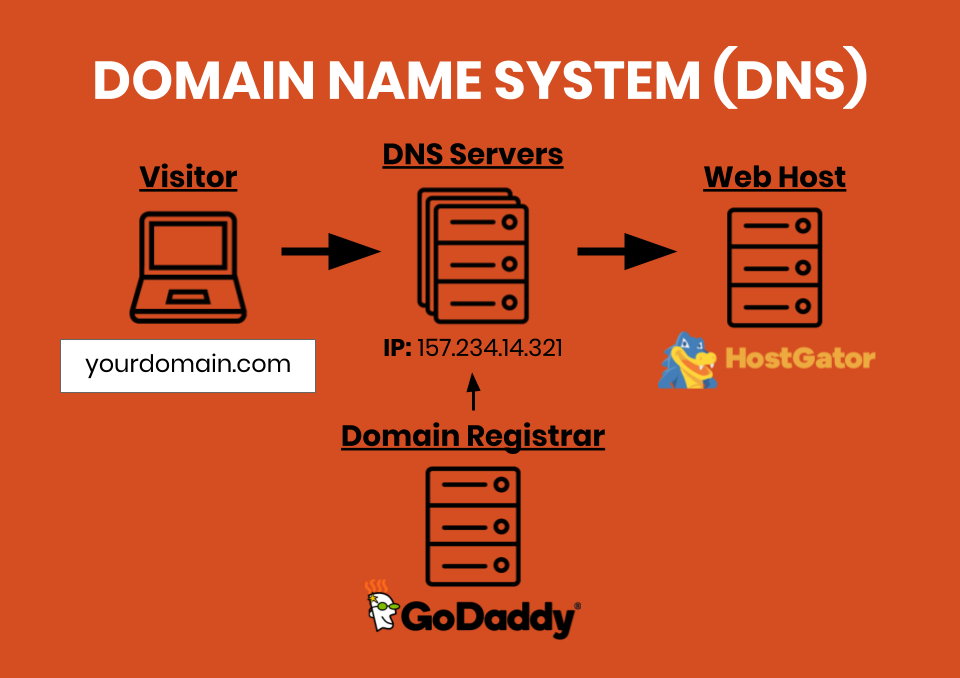
DNS stands for Domain Name System. It helps computers find websites. Imagine you want to visit a site. You type the website name in the browser. The DNS converts this name into numbers called an IP address. This number tells your computer where the website lives. Without DNS, we would have to remember long numbers for each site. Pretty hard, right?
DNS acts like a phone book for the internet. It matches website names to IP addresses. This helps computers find the right site quickly. The DNS keeps things organized and fast. It makes browsing the web smooth and easy. Every time you visit a site, DNS is working in the background. It is always ready to help.
DNS has important parts. These include the DNS Resolver, which finds the IP address. The Root Server is like the top boss. It directs the search to the right place. Then there’s the Top-Level Domain Server. It helps find more details about the site. Finally, the Authoritative Name Server gives the final IP address. Together, they make DNS work smoothly.
Credit: websiteprofitcourse.com
Role Of Dns In Web Hosting
DNS, or Domain Name System, is like a phonebook for the internet. It helps connect domain names to IP addresses. Every website has an IP address, a set of numbers. But we remember names better than numbers. So, DNS links names like “example.com” to numbers like “192.168.1.1”. This link is essential for finding websites easily.
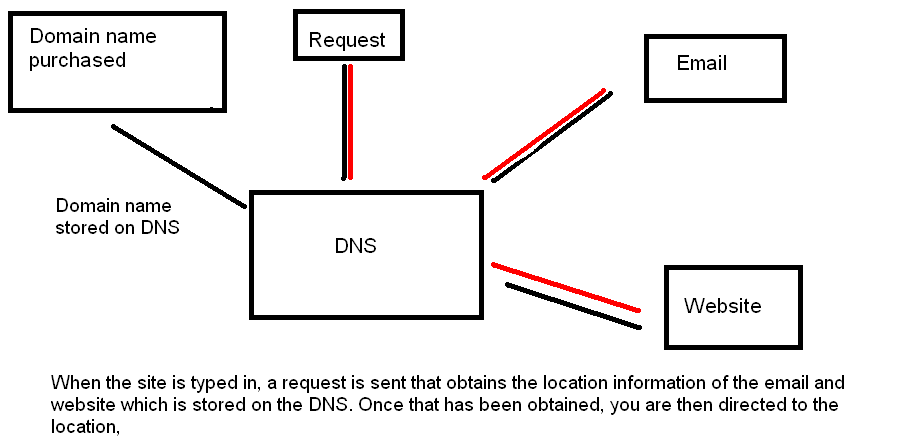
Domain records are important for DNS. They tell where to find a website. There are many types of records. A records are for IP addresses. MX records are for mail servers. CNAME records link a domain to another domain. Managing these records is key for website functioning. Without them, a site may not load properly. Keeping records updated is very important.
Types Of Dns Servers
Primary DNS servers hold the original copies of all DNS records. They are the main source of truth for domain information. When a change is needed, it’s done here first. These servers are crucial for the smooth operation of the internet. If a primary server goes down, it can cause issues.
Secondary DNS servers are like backup copies. They store data from the primary server. If the primary server fails, the secondary server takes over. This helps keep the internet running smoothly. Secondary servers get updates from the primary server regularly. This ensures they have the latest information.
Recursive DNS servers help find answers for users. They do not store full records. Instead, they ask other servers for information. This process is called recursion. Recursive servers are fast and efficient. They make sure users get the right webpage quickly. Everyone benefits from their speed and accuracy.
Dns Zone Files
Zone files are like maps for the internet. They contain important instructions for DNS servers. Each line in a zone file is a DNS record. These records help route traffic to the correct web address. The files use simple text. This makes it easy to read and understand.
A typical zone file includes several sections. There is a header. It contains basic information like the domain name. Below the header, you find DNS records. These records have specific formats. The format is key for correct DNS function.
Several DNS records are common in zone files. A Records map domain names to IP addresses. CNAME Records provide aliases for domains. MX Records tell where to deliver emails. TXT Records store text information.
Each record serves a different purpose. They all work together. The goal is to manage web traffic efficiently. Understanding these records helps in troubleshooting DNS issues. It also aids in setting up new domains.
Dns Security
DNS Web Hosting ensures safe and efficient website access. It translates domain names into IP addresses, guiding users to the right servers. Proper DNS security protects against threats and maintains smooth internet navigation.
Dns Vulnerabilities
DNS has weak points that hackers can exploit. Spoofing is a common threat. Here, attackers change DNS data. They trick users into visiting fake sites. Another problem is cache poisoning. Hackers add false data to DNS servers. This can redirect users to malicious sites. DDoS attacks flood DNS servers with fake requests. This overloads them, causing them to crash. Data interception is a risk. Hackers can listen to DNS queries. This exposes sensitive information.
Security Measures
Several steps keep DNS safe. DNSSEC adds a layer of protection. It verifies data to stop spoofing. Rate limiting controls the number of requests. This helps in preventing DDoS attacks. Firewalls filter out harmful traffic. They protect DNS servers from threats. Regular updates are crucial. They patch known vulnerabilities. Monitoring tools detect unusual activity. They alert teams to possible attacks.

Credit: help.dreamhost.com
Benefits Of Dns Web Hosting
DNS web hosting can make websites work faster. It helps in reducing the loading time of web pages. This makes users happy and they stay longer. A faster site is also good for search rankings. Search engines love fast websites. It ensures a smooth experience for everyone.
Websites can grow without worry. DNS web hosting supports more visitors easily. It can handle traffic spikes during busy times. No need to worry about the site going down. This flexibility allows businesses to expand smoothly.
Choosing A Dns Web Hosting Provider
Picking a DNS web hosting provider is important. Reliability is key. Your site must be up all the time. Speed matters too. A fast site keeps visitors happy. Check for customer support. Help should be there 24/7. Security is also crucial. Your data must stay safe. Lastly, look at pricing. Choose what fits your budget.
There are many DNS web hosting providers. GoDaddy is one option. They have been around for years. Bluehost is another choice. They offer good plans. Then there’s Namecheap. They have affordable prices. Cloudflare is also popular. They focus on speed and security. Lastly, consider HostGator. They are known for great support.
Credit: www.aspedia.net
Frequently Asked Questions
Do I Need Dns Hosting?
DNS hosting is essential if you want your website to be accessible online. It translates domain names into IP addresses. It ensures your website loads correctly and efficiently for users. Reliable DNS hosting improves website speed and security. Consider it crucial for maintaining a strong online presence.
What Is An Example Of A Dns Website?
An example of a DNS website is Cloudflare. It provides DNS services to enhance website speed and security efficiently.
What Is The Main Purpose Of Dns?
DNS translates domain names into IP addresses, allowing browsers to load websites. It simplifies web navigation for users.
What Is My Dns Hosting?
DNS hosting manages your domain’s DNS records, linking domain names to IP addresses. Providers like GoDaddy or Cloudflare offer this service. It ensures proper website and email functionality. Check your domain registrar or hosting provider to identify your DNS host.
Conclusion
DNS web hosting simplifies your website’s online presence. It connects domain names with IP addresses. This makes accessing your site easy for users. Choosing the right DNS hosting provider is crucial. It affects your website’s speed and security. Reliable DNS hosting ensures seamless online experiences.
Keep your visitors happy and safe. Understand your options and choose wisely. Your site’s success depends on it. Explore different DNS hosting services. Compare features and prices. Make informed decisions. Protect your online identity and enhance your site. Stay updated with DNS technologies.
Your digital journey matters.


