
Have you ever wondered why your website needs both a domain registration and web hosting? Understanding the difference between these two can feel like untangling a web of technical jargon, but it’s actually quite simple.
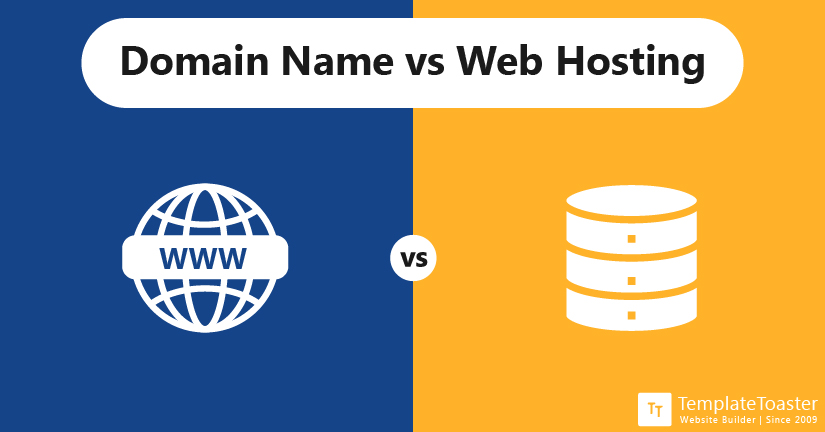
Imagine your domain as your website’s address, the unique identifier that lets users find you online. On the other hand, web hosting is like the plot of land where your house stands, providing the space where all your website files are stored and served to visitors.
Knowing how these components work together is crucial for creating a successful online presence. Whether you’re launching a personal blog or a business website, grasping the basics of domain registration and web hosting will help you make informed decisions. Dive into this article to discover how these elements impact your site and why choosing the right options can make all the difference in your digital journey. Stay with us as we unravel these concepts and empower you to build your website with confidence.

Credit: www.differencebetween.net
Domain Registration Basics
A domain name is the address of your website. It’s what people type in the browser to visit your site. Think of it as your website’s name. For example, in www.example.com, “example.com” is the domain name. A domain name is unique. No two websites can have the same name. This is important for easy finding of websites.
Registering a domain is easy. First, decide on a name. Make sure it’s unique. Use a domain registrar to check its availability. Many companies offer this service. Once you find an available name, you can buy it. Registrations usually last for one year. You can renew them. Costs depend on the domain’s type. Popular types are .com, .net, and .org.
Web Hosting Essentials
Domain registration means buying the name for your website. Web hosting is renting space to store your site online. Both are essential for a website but serve different purposes.
Role Of Web Hosting
Web hosting is like renting space on the internet. It keeps your website files safe and available. Without hosting, websites can’t be seen online. Hosting is like a house for your website. It stores all your website’s parts.
Types Of Web Hosting Services
There are many types of web hosting. Shared hosting is the most common. Many websites share one server. It’s like sharing a room with friends. VPS hosting gives more control. You have your own space on a server. Dedicated hosting is like having your own house. The server is all yours. Cloud hosting uses many servers. It’s very flexible and reliable.
Key Differences
Domain registration is securing a web address for your site. Web hosting stores your site’s files on servers. Both are essential but serve different purposes in website setup.
Ownership And Control
Domain registration gives you a name for your website. You own this name. No one else can use it. It is like owning a phone number. You can control where it points. Web hosting provides the space for your website files. It is like renting a house. You can change the furniture but not the walls. Hosting companies manage the servers. You control the content. You need both for a website. The domain is your address. The hosting is your home.
Functionality And Purpose
Credit: blog.templatetoaster.com
Choosing The Right Provider
Picking a domain name is fun. But it also needs care. Ensure the name is easy to remember. Short names are better. Also, check that it is easy to spell. This helps others find your site. Also, think about the domain extension. Common ones are .com, .org, and .net. But there are many others. Make sure your choice fits your site’s purpose. Lastly, check if the domain is available. Sometimes, names are already taken. Use a domain checker to see if yours is free.
Web hosting keeps your site online. First, check the storage space. More space is good if you have many files. Next, look at the bandwidth. This affects how many visitors can view your site. Also, check the uptime guarantee. More uptime means your site is online more often. Don’t forget customer support. Good support helps when you have problems. Lastly, see if the host offers easy-to-use tools. This helps you manage your site better.
Common Misconceptions
Many people think a domain and hosting are the same. They are not. A domain name is like your home’s address. It tells people where to find your website. Web hosting is the house itself. It stores all your website’s files. You need both for a website. One guides people to your site. The other shows them your content.
Some think domains and hosting cost the same. They don’t. A domain name is often cheaper. Hosting can be more expensive. The cost depends on your needs. A simple blog might need less. A big store needs more resources. It’s important to know what you need. This helps save money. Choose wisely to avoid extra costs.
Practical Tips
Domain registration involves securing a unique name for your website, while web hosting provides space to store your site’s files online. Both are essential for a functioning website, but serve distinct roles in its operation. Understanding this difference helps in managing your online presence effectively.
Securing Your Domain
Start by choosing a unique domain name. This helps with recognition. Always use a trusted domain registrar. They offer better security. Set up domain privacy to protect your information. Regularly renew your domain to avoid losing it. Activate two-factor authentication for extra safety. Keep your contact information updated with the registrar.
Optimizing Your Hosting Experience
Select a reliable hosting provider for smooth website performance. Check their uptime guarantee. It should be high. Ensure there is 24/7 customer support. This helps solve problems quickly. Choose a plan that fits your website’s needs. Don’t overpay for features you won’t use. Regularly back up your data. This keeps your content safe. Consider scalability options. Your site may grow in the future.

Credit: www.want2host.com
Frequently Asked Questions
What Is The Difference Between Web Hosting And Domain Registration?
Web hosting stores website files on servers, making them accessible online. Domain registration involves reserving a unique website name or URL.
Are Domain And Host The Same Thing?
Domain and host are not the same. A domain is your website’s address, while hosting stores your site’s data.
Do I Need Web Hosting If I Have A Domain Name?
Yes, you need web hosting to make your website accessible online. A domain is just your website’s address. Hosting stores your site’s files, making them viewable on the internet. Both are essential for a functioning website.
Is The Registrar The Same As The Host?
The registrar manages domain name registration. The host provides server space for website content. They are different services but can be offered by the same company. Always check if one company offers both services for convenience.
Conclusion
Understanding domain registration and web hosting is important. They serve different purposes. Domain registration secures your website’s name online. Web hosting provides space to store your website files. Both are essential for a functional website. Choose a reliable provider for both services.
This ensures smooth website operation. Consider your needs and budget before deciding. Make informed choices for a successful online presence. Proper setup leads to better user experience. Now, you’re ready to launch your website. Enjoy your online journey.


