
Imagine having the power to manage your website with ease and flexibility, while also saving money. That’s exactly what cloud based web hosting offers you.
Are you tired of dealing with the limitations of traditional web hosting? You’re not alone. Many website owners face the same frustration. But there’s good news—cloud based web hosting could be your perfect solution. It’s a modern approach that combines technology with simplicity, giving you the freedom to scale your resources as needed.
Curious about how it works and how it can benefit you? Keep reading to discover why switching to cloud based web hosting might be the smartest move for your online presence.

Credit: www.cloudpanel.io
What Is Cloud Based Web Hosting
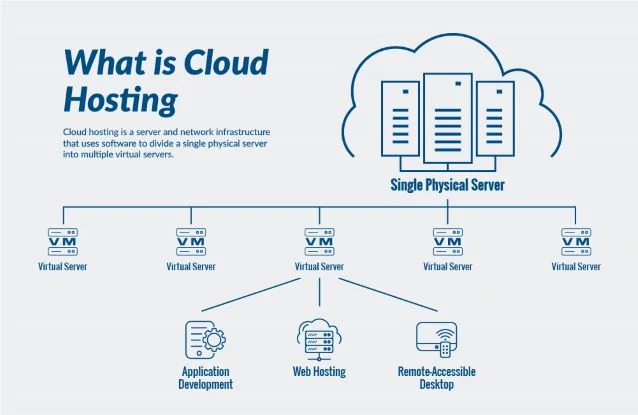
Cloud based web hosting uses many servers to host a website. These servers are part of a large network. This setup is very different from traditional hosting. In regular hosting, only one server hosts a website. But with cloud hosting, many servers work together. This makes websites faster and more reliable. It helps if one server fails. The others take over the work. This way, websites stay online.
Many businesses choose cloud hosting for its scalability. Websites can grow easily without problems. Owners only pay for what they use. This makes cloud hosting a cost-effective choice. It offers better security too. Many servers protect data from being lost. Users can trust that their information is safe.
Credit: blog.hubspot.com
Benefits Of Cloud Hosting
Scalability is a key benefit of cloud hosting. Websites can grow easily. Add more resources with just a few clicks. No need for hardware changes. This flexibility helps businesses grow.
Cloud hosting offers great reliability. Data is stored across many servers. If one server fails, others keep your website running. Downtime is minimized. This ensures your site is always accessible.
Cost efficiency is another advantage. Pay only for what you use. No need for large upfront costs. This makes cloud hosting affordable. Small businesses find it budget-friendly.
Enjoy high performance with cloud hosting. Servers work together to boost speed. Load times are fast. Users have a smooth experience. This keeps visitors happy and engaged.
How Cloud Hosting Works
Cloud hosting uses virtualization technology to run websites. This means many servers work together. They act like one big server. Websites can use more resources when needed. This keeps them fast and reliable. If one server fails, others take over. This makes cloud hosting very stable.
A distributed network spreads data across many locations. This helps in keeping websites online. Even if one location has problems, others still work. This means websites stay up and running. Users can access them from anywhere. This makes cloud hosting a good choice for big websites.
Cloud hosting allows dynamic resource allocation. Websites get more power when they need it. This happens automatically. So, when a website gets busy, it stays fast. No long waits for users. Websites only pay for what they use. This saves money and ensures efficiency.
Types Of Cloud Hosting
Security is key for cloud hosting. Look for automatic backups. Scalability matters if your website grows. Performance affects speed. Check for uptime guarantees. Control panel should be easy to use.
Pay-as-you-go models are flexible. Monthly plans are simple. Annual plans might save money. Look for hidden fees. Compare bandwidth costs. Understand storage limits. Check for overage charges. Discounts for long-term use can be useful.
24/7 support is essential. Live chat helps quickly. Phone support is personal. Check response times. Ticket systems track issues. Documentation helps solve problems. Community forums offer advice. Help articles are useful guides.
Choosing A Cloud Hosting Provider
First, choose a unique domain name. This is your website’s address. You can buy a domain from a domain registrar. They help you claim the name for your website. Make sure the name is easy to remember. It should relate to your content. After buying, you own this name for a year or more.
Set up your cloud server. Decide on the amount of space you need. Choose the right server size. You might need help from a tech expert. They know how to configure it well. This step is crucial for your website’s performance.
Use a Content Management System (CMS) to build your site. Popular CMS options include WordPress and Joomla. They make it easy to create web pages. No coding skills are needed. You can pick themes and plugins. They add features and make your site attractive.
Setting Up Cloud Hosting
Data is kept safe with encryption. It scrambles data into a secret code. Only those with the right key can read it. This stops bad people from seeing private stuff. Encryption is like a lock for your data.
Access controls are like passwords for your data. Only the right people can get in. This keeps your data safe from strangers. It’s like having a guard at the door.
Regular backups save your data often. If something goes wrong, you can get it back. It’s like having a copy of your homework. Backups make sure nothing is lost forever.
Security In Cloud Hosting
Cloud-based web hosting provides online storage and server space for websites. It ensures data security through encryption and access controls. This hosting method offers reliability and flexibility, making it a popular choice for businesses.
Technological Advancements
Cloud hosting is always changing. New tools make it faster and safer. AI helps to fix problems quickly. Blockchain can keep data safe. These tools make websites work better. They also help users get the information they need fast.
Industry Trends
More businesses use cloud hosting now. It helps them save money. Remote work needs cloud hosting more than before. Green technology is becoming popular too. It helps the planet and saves energy. Many companies like this trend.
Potential Challenges
Cloud hosting has some problems. Security is a big one. Hackers might try to steal data. Downtime can also be an issue. Sometimes the service stops working. This can hurt businesses. They need to keep their websites running all the time.
Credit: www.dotcom-tools.com
Frequently Asked Questions
What Is Meant By Cloud Hosting?
Cloud hosting distributes resources across multiple servers for scalability and reliability. It offers flexible computing power and storage. Users pay for what they use, ensuring cost efficiency. It supports high traffic websites with minimal downtime. Cloud hosting enhances performance through load balancing and redundancy.
What Is The Difference Between Cloud-based And Cloud Hosted?
Cloud-based solutions operate entirely on cloud infrastructure, offering scalability and remote access. Cloud-hosted solutions host applications on a server managed by a third-party provider, combining remote access with some on-premise functionalities. Both offer flexibility, but cloud-based is fully online, whereas cloud-hosted integrates with existing systems.
What Is The Difference Between Cloud Hosting And Local Hosting?
Cloud hosting offers scalable resources online, accessible anywhere. Local hosting relies on physical servers, limiting access and scalability. Cloud hosting ensures flexibility and redundancy, while local hosting provides control and privacy. Choose cloud for growth and remote access; opt for local for customization and security.
Who Needs Cloud Hosting?
Businesses needing scalability, flexibility, and reliability benefit from cloud hosting. Startups, e-commerce sites, and apps with variable traffic are ideal candidates. It suits organizations requiring easy access to resources and efficient collaboration. Cloud hosting is essential for companies seeking cost-effective solutions and enhanced performance without managing physical servers.
Conclusion
Cloud-based web hosting offers flexibility and scalability. It suits businesses of all sizes. Your website can grow without constraints. Costs can be more predictable. You pay for only what you use. This helps manage budgets better. Accessibility is another perk.
Your data is available from anywhere, anytime. Security features protect your information. Regular updates keep systems safe. Overall, cloud hosting provides a reliable solution. A smart choice for modern needs. Consider it if you want efficiency and convenience. Make sure to evaluate your specific requirements.
Find the right provider for your needs.


