
Have you ever wondered how websites make their way onto the internet? It all comes down to web hosts.
Imagine you have a brilliant idea for a website, but you need a place to store all the data and files that make it work. That’s where web hosts come in—they’re like the landlords of the internet. They provide the space where your website lives, allowing it to be accessed by users around the globe.
But what exactly are web hosts, and why should you care? Understanding web hosts is crucial if you’re planning to launch a website or improve an existing one. The choice of web host can impact your site’s speed, security, and reliability, directly influencing how users experience your site. You’ll discover what web hosts are, how they work, and why picking the right one can make all the difference for your online presence. Stay with us to unravel the mysteries behind the scenes of the internet.
Web Hosting Basics
Web hosting means storing websites on servers. These servers are powerful computers. They store all website files. Without web hosting, websites can’t be seen online. It is like renting space for your website. Hosting allows visitors to see your site. It is very important for all websites. Every website needs hosting to be online.
There are different types of web hosting. Shared hosting is popular. Many websites share one server. Dedicated hosting means one server for one website. It is more secure. VPS hosting is like a mix of shared and dedicated. Cloud hosting uses many servers. It is flexible and reliable. Each type has its own uses.
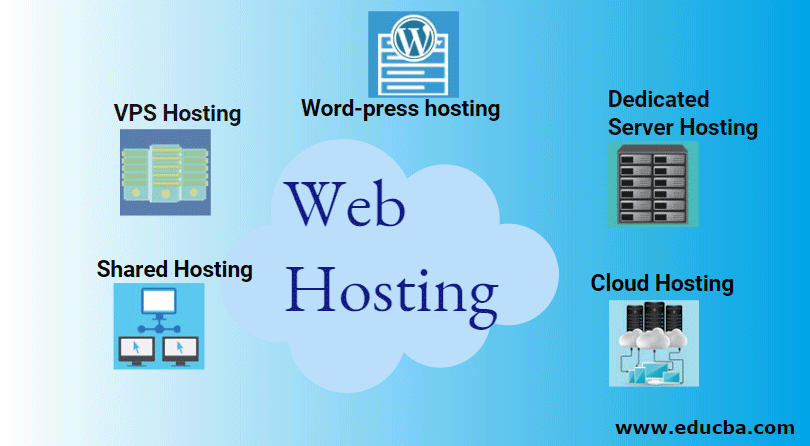
Credit: www.educba.com
Shared Hosting
Shared hosting lets many users share one server. Each user gets a part of the server. This is good for small websites. It is often cheap. You don’t need to know much about tech to use it. Most web hosts offer tools to help. Control panels make it easy to manage your site. Security is a concern because you share space. Backups can protect your data. Bandwidth might be limited. Storage space is usually enough for small sites.
| Pros | Cons |
|---|---|
| Low cost | Limited resources |
| Easy to use | Security risks |
| Good for beginners | Slow speed |
| Support provided | No control over server |
Vps Hosting
A Virtual Private Server (VPS) is like a private computer. It lives in a bigger computer. It acts like your own space. You can store files and run programs. It’s more secure than shared hosting. You get more control and better resources. You can customize your VPS. You can install what you want. It’s like owning a small house instead of sharing a room.
VPS hosting offers many advantages. You get more privacy. Your data is safer. You have more control over settings. Performance is better than shared hosting. You have dedicated resources. No sharing with others. But there are drawbacks. It costs more money. It’s harder to manage. You need to understand settings. It can be confusing for beginners.
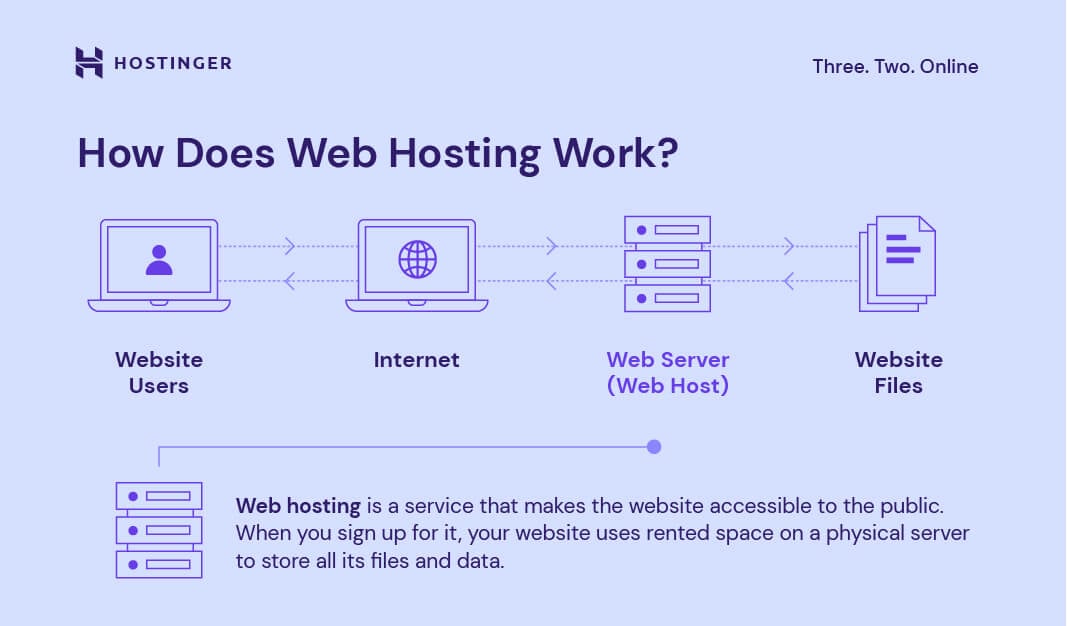
Credit: www.hostinger.com
Dedicated Hosting
Web hosts provide online space where websites live. Dedicated hosting means your site gets a server all to itself. This offers more security and faster performance.
Exclusive Server Use
Dedicated hosting means you get your own server. No sharing with others. This is like having your own house. You control everything. Your data is safe and private. It can handle a lot of visitors. This is great for big websites.
But it costs more money. You need to know how to manage it. Technical skills are important. Fixing problems is your job. No help from others. It’s the best for big businesses. Small websites may not need it.
Benefits: Total control, increased security, high performance. Limitations: High cost, requires technical skills, maintenance responsibility. Choose wisely based on your needs.
Cloud Hosting
Cloud hosting offers easy scalability. More resources can be added quickly. This allows for growth without hassle. Flexibility is another benefit. Users can change settings to fit needs. It suits businesses of all sizes. Small ones and big ones alike. This makes cloud hosting popular. Many choose it for its adaptability. It adjusts as demands grow or shrink. This is vital in today’s fast world.
Cloud hosting balances cost and performance well. Users only pay for what they use. This saves money. No need for extra expenses. Performance is often better. Quick servers ensure fast loading times. This boosts user experience. Happy users return again and again. Better performance can increase success. This makes cloud hosting a smart choice. Businesses benefit greatly from these features.
Managed Hosting
Managed hosting offers strong service and support. This type of hosting is ideal for those who need help. Experts handle technical tasks. This means less stress for you. The support team is ready to help 24/7. They solve problems quickly. You get peace of mind.
Managed hosting is perfect for busy websites. It’s also great for businesses without IT staff. If you run an e-commerce site, this is a good option. It suits people who want to focus on their work. Not on server issues. The hosting provider manages updates and security. You can focus on growing your business.
Factors To Consider
Good web hosts have fast loading times. Websites should be online all the time. This is called uptime. Uptime must be 99% or more. Choose a host with strong servers. This ensures your site is always available. A slow site can lose visitors.
Help should be available 24/7. Problems can happen anytime. Support should be friendly and quick. Look for multiple ways to contact support. This can include chat, email, and phone. Good support makes problems easy to solve.
Compare different plans. Some hosts offer cheap plans. Others may cost more but offer better features. Check if there are hidden fees. Think about what your site needs. Do not pay for features you will not use. Choose a plan that fits your budget.

Credit: www.godaddy.com
Choosing The Right Host
Understand what your website needs. Small sites need less space and power. Big sites need more. Think about your site’s purpose. Is it a blog or a store? Traffic matters too. More visitors need more resources. Check for special features. Some hosts offer extra tools. Security is important. Look for protection features.
Different hosts offer different plans. Look at prices and see what you get. Check how much storage and bandwidth they give. Support is key. Good hosts help 24/7. Read reviews from other users. Their experiences tell a lot. Uptime is crucial; your site should be online always. Compare features carefully before choosing.
Frequently Asked Questions
What Is An Example Of A Web Host?
An example of a web host is Bluehost, offering reliable hosting services with 24/7 support. Other popular options include SiteGround and HostGator. These hosts provide various plans for websites, ensuring speed and security. Choosing a reputable web host is crucial for optimal website performance.
How Do I Find Out My Website Host?
Use a WHOIS search tool to find your website host. Enter your domain name and locate the host’s details. Alternatively, check your domain registration or hosting account for information. This will help you identify your website’s hosting provider quickly and accurately.
What Are The 3 Types Of Web Hosting?
The three types of web hosting are shared hosting, VPS hosting, and dedicated hosting. Shared hosting is cost-effective and suitable for beginners. VPS hosting offers more resources and control. Dedicated hosting provides maximum performance with an entire server for one user.
Choose based on your website’s needs and budget.
Is Google A Web Host?
Google is not a traditional web host. It offers cloud hosting services through Google Cloud Platform, which includes web hosting solutions.
Conclusion
Understanding web hosts is crucial for any website owner. They provide the space for your site online. Choose wisely based on your needs and budget. Different hosts offer various features and support levels. Researching options can help you find the best fit.
Remember, a good web host ensures your site runs smoothly. Reliability and speed are key factors to consider. Think about your site’s growth too. As your site expands, your hosting needs might change. Stay informed and be ready to adapt.
Choosing the right web host sets your site up for success.


