
Are you curious about what a web server host is and why it matters to you? You’re in the right place.
Understanding web server hosting is essential if you’re venturing into the world of websites or looking to improve your online presence. Imagine your favorite website going offline just when you need it most. Frustrating, right? This is where a reliable web server host comes into play, ensuring your website is always accessible and running smoothly.
Throughout this article, we’ll unravel the mystery behind web server hosting, helping you make informed decisions for your digital needs. Stay with us, and you’ll discover how choosing the right web server host can elevate your online experience.
Web Server Host Basics
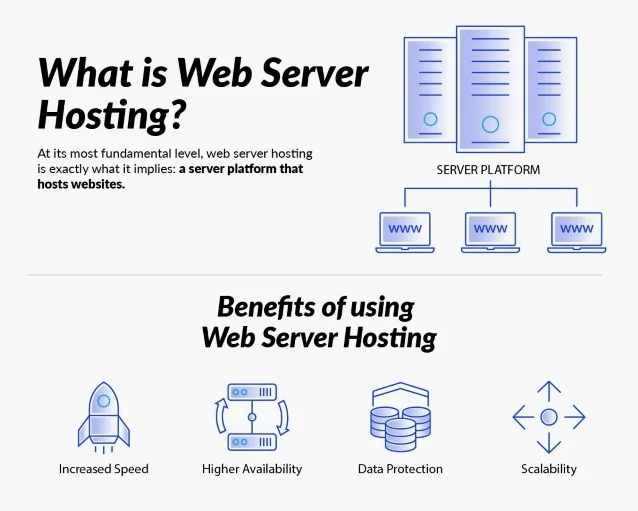
A web server host is a computer. It stores and sends web pages to users. These pages are on the Internet. The main purpose is to make websites accessible online. Without a host, websites can’t be seen. It works day and night. Always ready to serve web pages. Hosts keep data safe. They protect it from loss or harm.
Web servers use special software. This software is called a server program. It listens for requests. These requests come from users’ browsers. When a request comes, the server finds the page. Then it sends the page back. The user sees the page on their screen. This happens very fast. It feels like magic! But it is just smart technology. Always working behind the scenes.

Credit: en.wikipedia.org
Types Of Web Hosting
Shared hosting means sharing a server with others. It’s like sharing a big house. It is cheap and good for small websites. Many people use shared hosting. But it can be slow when many use it at once.
Virtual Private Server is more private. You get your own space. It’s safer than shared hosting. But it costs more. You have more control here. Good for growing websites.
Dedicated hosting gives you a whole server. No sharing with others. It is fast and safe. Big businesses use it. But it is expensive. You need tech skills to manage it.
Cloud hosting uses many computers. It is very flexible. If one computer stops, others help. It costs by use. Good for changing needs. Many businesses like cloud hosting.
Key Features Of Web Hosting
Web hosting offers different storage options. Some have more space than others. It’s crucial to choose the right one. Bandwidth is also important. It affects how fast data travels. More bandwidth means faster loading. It’s best to pick a host with enough storage and bandwidth for your needs.
Safety is important for websites. Hosts offer security features to protect data. This includes firewalls and backups. Good security prevents hackers from stealing information. Always check what security measures are included.
Websites can grow over time. Scalability means you can easily upgrade. More visitors may need more resources. Choose a host that allows easy upgrades. It ensures your site runs smoothly.
Control panels help manage websites. They are easy to use. Most hosts offer tools like file managers and email accounts setup. These tools make managing a website simple. It’s important to have a user-friendly control panel.
Choosing The Right Host
Understand your website’s goals first. Traffic volume matters. Large sites need more power. Small sites need less space. Different hosts offer different features. Choose what fits your needs.
Budget is key. Expensive hosts have more features. Cheaper hosts might limit you. Balance features and cost. Think about future growth. Plan for extra costs. Choose wisely.
Reliable support is a must. Problems can occur anytime. 24/7 support is ideal. Check reviews for host reliability. Downtime can hurt your site. Trustworthy hosts keep your site running.
Common Hosting Challenges
Servers can stop working. This means your website is not online. Downtime can make users unhappy. They leave and go elsewhere. Businesses lose money. It is important to have a backup plan. A plan that keeps your website running.
Hackers try to break into websites. They steal data or cause damage. Security threats are dangerous. Protecting your site is very important. Use strong passwords. Update software often. Keep bad people away. Stay safe online.
Websites can slow down. This happens when too many users visit. Performance bottlenecks are bad for business. Visitors leave if sites are slow. Speed is important. Use good hosting services. Optimize images. Keep your site fast.
Credit: www.atlantic.net
Future Of Web Hosting
Web hosting is changing fast. Cloud computing is popular now. It helps with scaling websites easily. Artificial intelligence is also useful. It makes servers smarter and faster. Another trend is serverless architecture. It allows users to run code without managing servers. This makes things simpler and cost-effective. Edge computing is becoming important too. It brings data closer to users. This means faster loading times.
Many people use managed hosting now. It provides easy maintenance and support. Green hosting is another trend. It focuses on saving energy. People care about the environment. So, they choose eco-friendly options. Security is always a top concern. Hosting services work hard to keep data safe. They use SSL certificates and firewalls. The future of hosting is exciting and full of innovation.

Credit: www.hostinger.com
Frequently Asked Questions
What Does A Web Server Host?
A web server hosts websites, applications, and databases. It delivers web content to users’ browsers. It stores and manages website files, processing client requests. Web hosting services ensure websites remain accessible and perform efficiently.
Is Google Chrome A Web Server?
Google Chrome is not a web server. It is a web browser. Users access websites and web applications through it. Web servers store and deliver website content over the internet. Chrome’s purpose is to display and interact with content from these servers.
What Is An Example Of A Web Server?
An example of a web server is Apache HTTP Server. It is widely used for hosting websites and web applications. Apache offers robust performance, flexibility, and is open-source, making it a popular choice among developers worldwide. It supports multiple platforms, including Windows and Linux, enhancing its usability across different environments.
What Is A Web Host Example?
A web host example is Bluehost. It provides reliable hosting services for websites, including domain registration and customer support. Bluehost offers shared hosting, VPS, and dedicated server options, catering to various business needs. It’s well-known for user-friendly features and affordability, making it popular among beginners and professionals alike.
Conclusion
Choosing the right web server host is essential for your website. It affects speed, security, and uptime. A reliable host ensures your site runs smoothly. Visitors enjoy quick loading times and strong protection. Consider your needs and budget before selecting.
Research various hosting options available. Shared, VPS, and dedicated are popular choices. Each has its advantages and suits different needs. Make an informed decision to support your online presence. A good host leads to a better user experience. This helps in building trust and attracting more visitors.


