
Have you ever wondered what exactly happens behind the scenes when you decide to launch a website? One crucial aspect is the web hosting agreement, a term you might have come across but not fully understood.
This agreement is the backbone of your online presence, dictating how your website is stored and accessed by visitors around the globe. Imagine unlocking the secrets to a seamless online experience by grasping the essentials of this agreement. By understanding what a web hosting agreement entails, you gain control over your website’s performance, security, and reliability.
Dive into this guide to discover how this pivotal contract can impact your digital success and ensure that your online aspirations are met without a hitch.
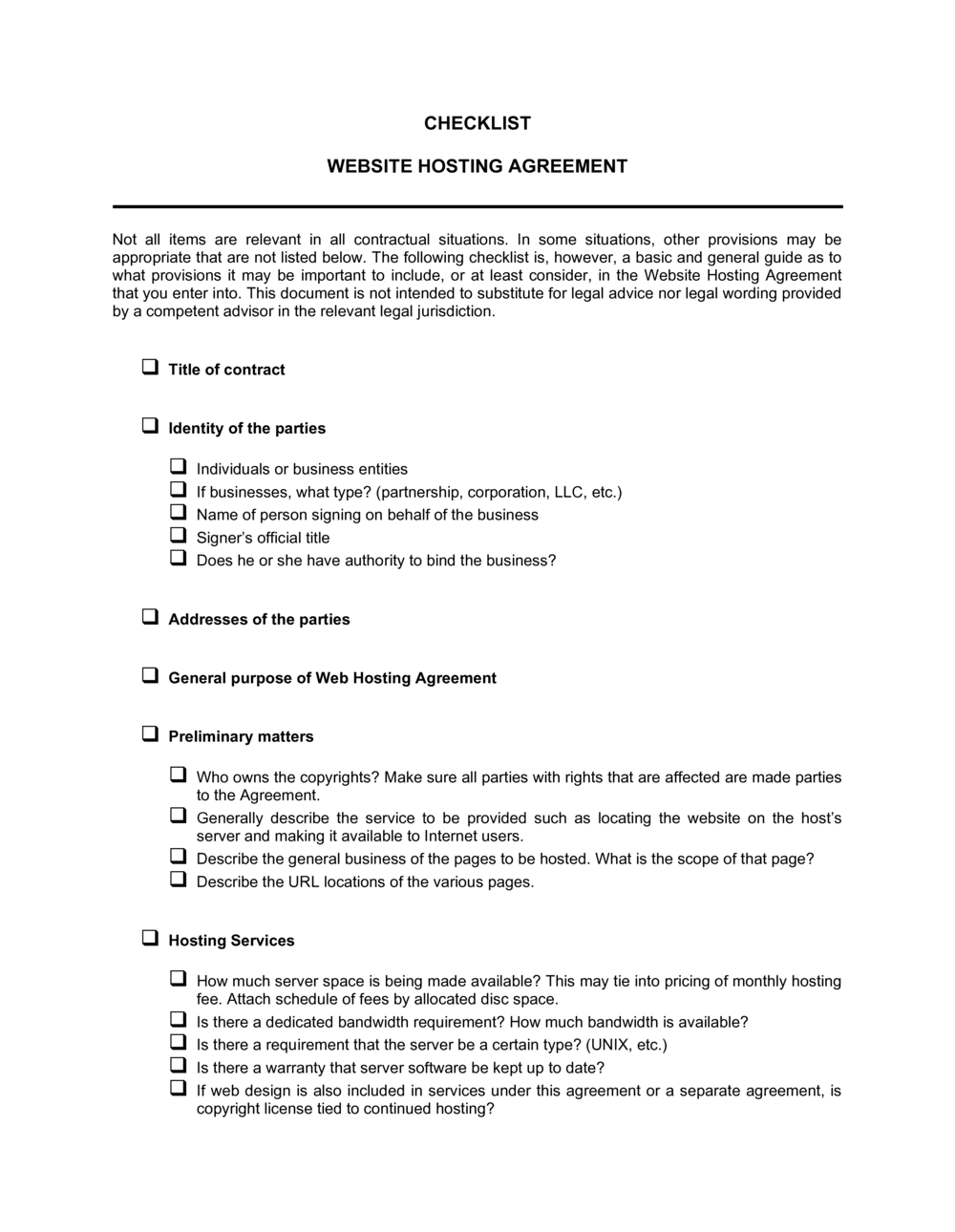
Credit: www.business-in-a-box.com
Web Hosting Agreement Basics
A Web Hosting Agreement is a contract. It allows a website to be online. This agreement defines the services provided. It includes server space and data transfer. The purpose is to ensure the website runs smoothly. It helps users visit the site anytime. It also outlines terms and conditions.
Two main parties are involved. The first is the web host. They provide the server space. The second is the website owner. They use the space to store their site. Both parties have responsibilities. The host ensures the server works well. The owner keeps the site updated. Trust is important between them.

Credit: www.pandadoc.com
Types Of Web Hosting Services
Shared Hosting is the most common type. Many websites share one server. This means lower costs. But, it also means less control. Your site might slow down if others use too much space. It’s best for small sites.
With Dedicated Hosting, you get a whole server. No sharing with others. This gives you more power and control. It’s great for big websites. But, it costs more money. You need technical skills to manage it.
VPS Hosting stands for Virtual Private Server. It’s like shared hosting but better. You get more control and security. It acts like a small dedicated server. It’s good for growing websites. Costs are mid-range.
Cloud Hosting uses many servers working together. This means your site can grow easily. If one server fails, others help out. It’s very reliable and flexible. Prices depend on how much you use.
Essential Terms And Conditions
A Service Level Agreement (SLA) is a promise. It tells how good the service will be. It talks about uptime, support, and fixes. If the service fails, there might be penalties. SLAs are important for trust and reliability.
Uptime guarantees show how often the service works. A good service should work almost all the time. Many hosts promise 99.9% uptime. This means the service might be down for a short time each month.
Keeping data safe is key. Data security measures protect information from harm. These measures include firewalls, encryption, and backups. Strong security keeps data safe from hackers. It gives users peace of mind.
Payment terms explain how and when to pay. They include costs, due dates, and methods. Some hosts offer monthly or yearly plans. Knowing payment terms helps avoid surprises.
Legal Obligations And Responsibilities
The provider must offer reliable service. They keep servers running. Fix issues quickly. Protect customer data. Security is a priority. They must tell customers about outages. This keeps trust strong.
Customers must pay fees on time. They follow rules in the agreement. No illegal content is allowed. Backup important data often. This prevents data loss. Follow provider’s guidelines for best practices.
Both parties must follow local laws. This includes privacy laws. Data protection is important. Providers must meet legal standards. Customers should check their content. It must be legal. This avoids trouble.
Termination And Renewal Clauses
Notice periods are crucial in web hosting agreements. These periods tell users when they need to act. If you want to end the agreement, you must give a notice. The notice period can be 30, 60, or 90 days. This time lets both parties prepare for changes. Renewal terms are also important. They explain how the agreement continues. Some agreements renew automatically. Others need your approval. Always check renewal terms before signing.
Ending a web hosting agreement has effects. These are termination consequences. You may lose access to your website. Important data might be gone. Sometimes, there are fees for ending early. Know the consequences before you decide to end the agreement. Reading these clauses helps you understand your rights and duties.
Dispute Resolution Mechanisms
Arbitration and litigation are two ways to solve problems. Arbitration is faster. It is also private. People agree on a neutral person to decide. This person is called an arbitrator. Arbitrators listen to both sides. Then they make a decision. The decision is usually final. Litigation happens in court. It is public. A judge or jury decides the case. Court cases can take a long time.
Jurisdiction Considerations
Jurisdiction is important in disputes. It decides where a case is heard. Different places have different laws. Parties must agree on a jurisdiction. This helps avoid confusion later. Some jurisdictions favor arbitration. Others prefer litigation. Knowing the rules helps in planning. It is wise to understand these rules. This makes dispute resolution smoother.
Common Pitfalls To Avoid
Navigating a web hosting agreement requires careful attention to terms. Missing details may lead to unexpected costs. Always review cancellation and renewal policies to avoid surprises.
Hidden Fees
Watch out for hidden fees in web hosting plans. Some companies offer low prices at first. Later, they add extra charges. These could be for extra storage or bandwidth. Always read the fine print. It helps avoid surprises.
Limited Support
Limited support can be a big problem. Some hosting companies offer 24/7 support. Others may not. Check if they provide phone, chat, or email help. Good support is very important. It helps solve problems fast.
Data Ownership Issues
Understand data ownership before signing any contract. Make sure you own your website data. Some hosts might claim ownership. This can cause trouble if you switch hosts. Always clarify data rights early.

Credit: www.scribd.com
Tips For Negotiating A Favorable Agreement
Find a reliable web hosting provider. Check online reviews and ratings. Ask your friends for advice. Compare different providers. Look for reasonable prices and good support. Ensure the provider has a strong reputation. This helps you make a smart choice. Take your time to research well.
Read all contract terms carefully. Understand each detail. Negotiate the terms that don’t suit you. Ask for changes if needed. Ensure you get the best deal. Look for flexible contract terms. This way, you can make the contract fit your needs. Don’t just agree to everything.
Consult with a legal expert. They can explain the contract. They help you understand complex terms. Legal advice makes you feel secure. It ensures you don’t miss important details. This step protects your interests. Always seek help if unsure.
Frequently Asked Questions
What Is A Website Hosting Agreement?
A website hosting agreement is a contract between a website owner and a hosting provider. It outlines services, fees, and terms. Hosting agreements ensure website availability and security. They include details about server space, bandwidth, and uptime guarantees. Understanding the agreement helps in managing website performance effectively.
What Is An Hosting Agreement?
A hosting agreement is a contract between a service provider and a client. It outlines terms for web hosting services, including server space, bandwidth, and technical support. This agreement ensures both parties understand their rights and responsibilities for maintaining and accessing the hosted website.
What Is Meant By Web Hosting?
Web hosting is a service that allows individuals and businesses to publish their websites online. Hosting providers store website files on servers, enabling internet access. Plans vary in features like storage, bandwidth, and support. Choosing the right host ensures optimal website performance and security.
What Are The 3 Types Of Web Hosting?
Shared hosting, VPS hosting, and dedicated hosting are the three main types of web hosting. Shared hosting is cost-effective for beginners. VPS hosting provides better resources and control. Dedicated hosting offers maximum performance and security for larger websites. Choose based on your site’s needs and budget.
Conclusion
A web hosting agreement is essential for a smooth online presence. It defines your rights and responsibilities with the hosting provider. Understanding the terms ensures you know what you’re paying for. It also helps you avoid unexpected costs or service issues.
Reviewing the agreement can protect your business and website. Clear terms lead to fewer surprises and better service. Always read the fine print before signing. A good agreement supports your website’s success. So, take your time to choose wisely. Your website deserves the best foundation.


