
Imagine accessing your favorite software without the hassle of downloads or installations. Instead, you simply open your web browser and everything you need is right there.
This is the magic of web hosted applications, a game-changer in how you interact with technology. But what exactly are these applications, and why should you care? By understanding web hosted applications, you unlock a world of convenience, efficiency, and cost savings.
This article will guide you through the ins and outs of web hosted applications, showing you how they can simplify your life and boost your productivity. Ready to discover how technology can become your ally in everyday tasks? Keep reading to find out how web hosted applications can transform your digital experience.

Credit: webostv.developer.lge.com
Web Hosted Application Basics
A web hosted application runs on a server. Users access it through the internet. You don’t need to install it on your computer. This makes it very easy to use. Just open a web browser and you are ready. It works on any device with internet. This includes laptops, tablets, and phones. It stays up-to-date because updates happen on the server. You always use the latest version.
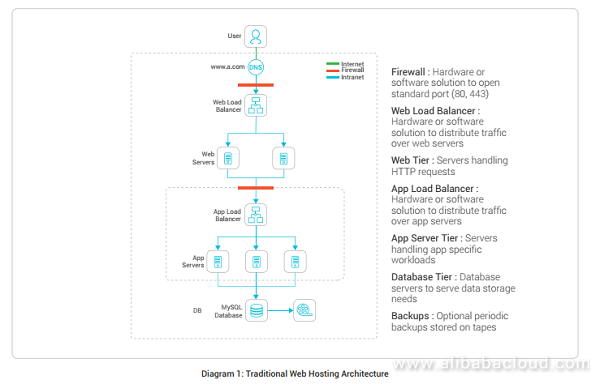
Several components make up a web hosted application. First, you need a web server. This is where the application lives. Next, a database stores information. Users also need a device with a web browser. Finally, the application itself. It connects everything together. These components work together to provide a smooth experience. They make it easy for users to get what they need.
How Web Hosted Applications Work
Web hosted applications run on remote servers, accessed through the internet using a web browser. Users interact with these applications online, eliminating the need for local installation or updates. This setup allows for easy access from any device with internet connectivity.
Server And Client Interaction
Web hosted applications rely on servers to work. The server stores all the data. Clients are the users who access the application. When a client clicks on a link, the server responds. It sends the requested data back to the client. This back-and-forth is called interaction. It happens very fast. Sometimes, it feels like magic. Clients use browsers to see the data. The browser displays the data on the screen. This is how users see web pages.
Data Processing And Storage
Data is the heart of web applications. Servers process data quickly. They store all information securely. Storage is important for keeping data safe. Servers use databases for storage. Databases organize data neatly. This helps in finding data when needed. Processing data means changing it. Servers do this to help users. They make sure data is accurate. Users trust web applications to keep their data safe. This trust is very important for web hosted applications.
Advantages Of Web Hosted Applications
Web hosted applications can be accessed from any device. A phone, a tablet, or a computer. This means you can use them anywhere. At home. At work. Even on vacation. No need to download or install anything. Just open your browser. Easy and quick. These apps make life simple. They save time and effort. Perfect for busy people. Always available. Always ready to use.
Web hosted applications are often cheaper than traditional software. You pay only for what you use. No large upfront costs. No expensive hardware needed. Updates are free. Maintenance is handled by the provider. This saves money. Businesses like this. It helps their budget. More savings. Less hassle. Everyone wins.
Common Use Cases
Many businesses use web hosted applications. They help in managing tasks. They keep track of projects and store data. These applications often have tools for communication. They let teams collaborate easily. Employees can access files from any location. This increases productivity and saves time.
Schools use web hosted applications too. They help in learning and teaching. Students can access courses online. They can submit assignments from home. Teachers can provide feedback quickly. Some apps offer quizzes and games. This makes learning fun and engaging. These tools are easy to use for everyone.
Challenges And Considerations
Web hosted applications face many security concerns. Hackers often target these apps. They try to steal data. Protecting user data is crucial. Strong passwords help. Regular updates are important. Encryption keeps data safe. Security audits are helpful. They find weak spots. Firewalls protect against attacks. Use secure connections like HTTPS. This ensures safe data transfer.
Many web hosted applications experience performance issues. Slow load times upset users. Optimizing code helps. Efficient servers improve speed. Bandwidth affects performance. High traffic can slow apps down. Use content delivery networks. They speed up access. Regular testing is vital. It identifies performance bottlenecks. Fast applications keep users happy. Ensure good user experience.

Credit: medium.com
Future Trends In Web Hosted Applications
Emerging technologies are changing web hosted apps. New tools make apps faster and smarter. Artificial Intelligence (AI) can help apps think like people. AI improves how we use apps every day.
Virtual Reality (VR) is another new tech. VR can make apps feel real. It can help users see and feel things on the web. These tools make apps more fun and helpful.
Web hosted apps help businesses grow. They save time and money. Companies use apps to talk to customers. Apps make work easier and quicker.
With new tech, apps do even more. Businesses can now work from anywhere. They just need the internet. This helps companies stay connected. They can serve customers better.
Credit: www.alibabacloud.com
Frequently Asked Questions
What Is A Hosted Web App?
A hosted web app is an application that runs on a web server. Users access it through a web browser, eliminating the need for local installation. This setup offers easy updates, cross-platform compatibility, and centralized management, enhancing user experience and reducing maintenance efforts.
What Does “hosted Application” Mean?
A hosted application is software that runs on a remote server, accessed via the internet. Users access it through a web browser without installing it locally. This setup offers flexibility, scalability, and reduced maintenance for businesses. Commonly used in cloud computing, it supports various industries and services.
What Is A Web Hosting Program?
A web hosting program stores websites on servers, making them accessible online. It offers various features, including bandwidth, storage, and security. Users choose hosting plans based on their site needs. Popular types include shared, VPS, and dedicated hosting. Reliable hosting improves site performance and user experience.
What Is Web Hosting And An Example?
Web hosting is a service that stores website files on servers, making them accessible online. An example is Bluehost, offering shared hosting plans for WordPress sites.
Conclusion
Web hosted applications simplify life with easy access and convenience. No installations needed. Use them anywhere with internet. Businesses find them cost-effective and scalable. Updates happen seamlessly. Users enjoy real-time collaboration. Security is often robust, though always check provider’s safeguards.
The flexibility is a major benefit. Remote work becomes easier. Web hosted applications are the future of software use. They offer efficiency and adaptability. Embrace the change for a more productive experience. As technology grows, these applications will continue evolving.
Stay informed and ready for new developments.


