
Are you curious about how websites are managed behind the scenes? You might have heard of a tool called Web Host Manager, or WHM, but what exactly is it?
Imagine having a powerful dashboard at your fingertips, giving you control over multiple websites. Whether you’re an aspiring web developer, a small business owner, or simply someone interested in the digital realm, understanding WHM can empower you to take charge of your online presence.
Think of WHM as the command center of your web hosting universe. It allows you to manage hosting accounts, monitor server performance, and ensure your websites run smoothly. But it’s not just for tech experts; WHM is designed to be user-friendly, making it accessible to anyone eager to learn. Dive into this article to uncover the secrets of Web Host Manager and discover how it can revolutionize the way you manage your websites. Your online journey is about to get a lot more exciting!
Web Host Manager Basics
Web Host Manager helps manage websites. It is a tool for hosting. You can create and delete accounts with it. It keeps track of server resources. Bandwidth, disk space, and memory are watched by it. This manager is used by many web hosts. Easy control is its main aim.
It offers many useful features. Account creation is simple. You can manage domains easily. It checks server status. Backups are created for safety. Security settings are adjustable. It supports email services. You can monitor site usage. It helps keep sites running smoothly.
Types Of Web Host Managers
Shared hosting is like a big house. Many websites live here. Each site gets a small part of the server. It is cost-effective. Many beginners use it. But, if one site gets busy, others might slow down. It is good for small sites. Easy to manage.
Dedicated hosting is like owning a house. One site gets the whole server. It is more expensive. But offers better control. No sharing with other sites. It is good for big websites. Offers better security too. High traffic sites prefer this.
Cloud hosting is like living in the sky. Data is stored in many places. It is very flexible. Sites can grow easily. More reliable than other types. If one server fails, others pick up. Good for all sizes of websites. Provides scalability.
Choosing The Right Web Host Manager
Understand what your website needs. Small sites need basic features. Large sites need more support. Think about how much traffic your site gets. Consider how much storage space you need. Security is also important. Choose a manager that protects your data. Some managers offer email services. Check if you need that feature. Look at your budget. Some options are more expensive. Find a balance between cost and features.
Features vary with each host manager. Some offer easy-to-use dashboards. Others give advanced control. Check if they have 24/7 customer support. Good support helps solve problems quickly. Look for backup options. Backups save your data. Speed is crucial for user experience. Fast managers keep your site running smoothly. Consider scalability. You may want to grow your site. Choose a manager that can grow with you.
Benefits Of Using A Web Host Manager
A Web Host Manager gives you more control over your website. You can manage multiple websites from one place. It’s easy to change settings for each site. You can also create and delete accounts quickly. This makes managing your websites simple and fast.
Websites can grow big or stay small. A Web Host Manager helps with both. You can add more space as needed. It lets you handle more traffic without problems. This makes your website ready for more visitors. Scalability ensures your site can grow with your needs.
Common Challenges
Web Host Managers face many security concerns. Hackers try to break in. They want to steal important data. Keeping data safe is a big job. Managers must use strong passwords. They also need to update software often. Regular checks help find weak spots. Firewalls are important too. They stop unwanted access. Security is a top priority.
Performance issues can slow down websites. Users expect fast loading times. Slow sites can lose visitors. Traffic spikes can cause problems. More visitors mean more load. Managers must monitor server speed. They often upgrade hardware. Downtime is bad for business. Keeping servers running is key. Regular maintenance helps prevent issues. Performance affects user experience.
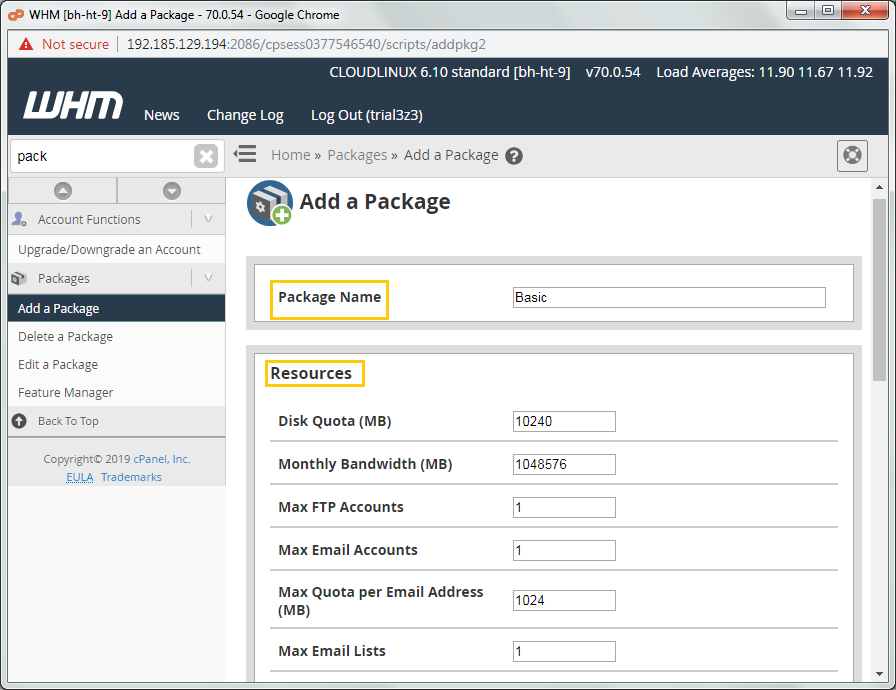
Credit: www.resellerclub.com
Best Practices
Keeping software up-to-date is very important. New updates help fix bugs. They also bring new features. Always check for updates regularly. This keeps the system safe. Security patches protect against hackers. They also help the system run faster. Updates make sure everything works well. It is smart to set updates to automatic. This way, nothing is missed.
Always watch your system closely. Monitoring tools can help. They show how well the system is working. If something breaks, you will know quickly. Regular checks prevent bigger problems. Make sure to back up data often. This keeps data safe. If something goes wrong, you can fix it. Good management keeps everything in order. It also helps your system run smoothly.
Future Trends
Explore web host manager tools, essential for managing websites. Control servers, domains, and user accounts effortlessly. Simplify hosting tasks and enhance website performance.
Automation
Web hosting is always changing. Automation helps make tasks easier. It saves time. It reduces mistakes. Computers do many things automatically. This is called automation. Web hosts use automation for updates. They use it for security checks. Automation makes hosting faster. It makes hosting more reliable. Users like this change. They want easy services. Automation gives this. It is a big trend. Many hosts follow it. More hosts will use it soon.
Improved User Interfaces
User interfaces are changing. They are getting better. Simple designs are popular now. People want easy screens. They want fewer buttons. Users enjoy clear choices. They like quick access. Improved interfaces make users happy. They find things fast. They understand options. Better designs attract more users. Many companies work on this. They aim for easy use. More hosts will offer better interfaces soon. This trend grows fast. Hosts want happy users. They focus on good design.

Credit: docs.cpanel.net

Credit: www.resellerclub.com
Frequently Asked Questions
What Is A Web Hosting Manager?
A web hosting manager oversees server maintenance, manages hosting accounts, and ensures website uptime. They handle security, updates, and technical support, optimizing site performance and user experience. Efficient web hosting management is crucial for reliable online presence and business success.
What Is Web Hosting Management?
Web hosting management involves overseeing server resources, security, and website performance. It includes tasks like backups, updates, and monitoring. Efficient management ensures optimal uptime, speed, and security for hosted websites. Tools and dashboards help simplify this process for users, enhancing website reliability and user experience.
What Is The Role Of A Web Host?
A web host provides server space and technology for websites. It ensures online accessibility and manages site performance. Web hosts handle storage, security, and support, enabling seamless user experiences. Reliable hosting is crucial for website uptime, speed, and security, attracting visitors and improving search engine rankings.
What Is A Host Manager?
A host manager oversees web hosting services, ensuring servers run smoothly and securely. They manage server configurations, troubleshoot issues, and optimize performance. Their role includes maintaining security protocols and managing user access. Host managers ensure websites remain accessible and responsive to user needs.
Conclusion
A Web Host Manager simplifies website management tasks. It lets you control user accounts easily. You can manage server resources efficiently. Security features protect your data well. The interface is user-friendly, making navigation simple. It offers tools for monitoring and troubleshooting.
This software is essential for hosting providers. It saves time and reduces effort. With it, managing multiple sites becomes a breeze. Anyone can learn to use it with practice. Consider exploring its features for better hosting control. Your website management will become smoother and more organized.
A Web Host Manager is a valuable asset for web administrators.


