
Ever wondered what makes your email address tick? Imagine trying to send an important message, but it just won’t go through.
Frustrating, right? That’s where a web host for your email address comes into play. You might think it’s all about websites, but it’s much more than that. A web host ensures your emails are sent and received smoothly, acting as the unseen engine behind your digital communication.
Curious about how it all works and why it matters for you? Understanding this could be the key to unlocking seamless communication and avoiding email headaches. Keep reading to uncover the secrets of email hosting and why it’s a game-changer for your personal or business life.

Credit: mailsafi.com
Web Hosting Basics
A web host is like a home for websites. It stores all the website files. These files include pictures, text, and more. The web host keeps them safe. It also shows them to people on the internet. A web host works all the time. This means websites are always ready. Without a web host, websites cannot be seen. It is important for a website to have a good web host. This makes the website fast and secure.
Email addresses also need a web host. The web host stores emails. It helps send and receive emails. It keeps emails safe from hackers. A good web host makes emails work well. It helps emails reach quickly. Without a web host, email addresses cannot work. The web host is like a post office for emails. It organizes and delivers them. This makes sure emails reach the right place.
Types Of Web Hosting
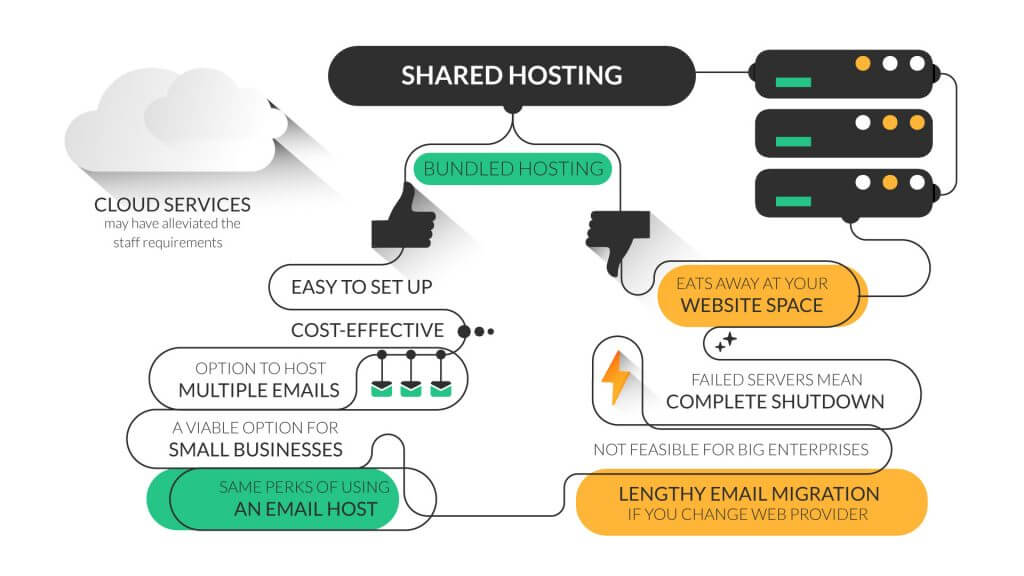
Shared hosting is like sharing a big house. You and many others use the same space. It’s the cheapest option for hosting. Your email address can live here. But, if someone uses too much space, everyone slows down. It’s good for small websites and emails. But not for big traffic.
Dedicated hosting gives you your own space. No sharing with others. This is best for big websites. You get more speed and control. It’s also more expensive. Your email address gets its own room here. No one else can slow you down. Perfect for businesses with many emails.
VPS stands for Virtual Private Server. It’s like a small apartment in a big building. You have your own space but share the building. It’s a step up from shared hosting. You get more control and speed. It’s good for growing websites. Your email can run faster here.
Cloud hosting is like having many houses. You can move if one gets full. It’s very flexible and reliable. If one server fails, others help out. Your email address can stay up with less downtime. It’s great for websites that change a lot. You only pay for what you use.
Email Hosting Services
Email hosting services offer a reliable platform for emails. They ensure security and privacy for your messages. Users enjoy large storage spaces for emails. Spam filters help keep inboxes clean. Easy access to emails from any device. Some services provide custom domain names. This makes your email look professional. 24/7 support is often available. This helps users with any issues. Email hosting is perfect for small businesses. It helps them stay connected with clients.
| Provider | Features |
|---|---|
| Google Workspace | Includes calendar and docs. |
| Microsoft 365 | Offers Word and Excel. |
| Zoho Mail | Provides task manager. |
| ProtonMail | Focuses on privacy. |
Credit: www.hostpapa.com
Setting Up Email Hosting
Picking an email hosting plan is important. Different plans offer different features. Some plans give more storage. Others might have more security features. Think about your needs before choosing. Do you need a lot of space? Or is security your main concern? Compare plans before deciding. This helps in making the right choice. Check the cost too. Some plans can be expensive. Choose one that fits your budget.
Setting up email hosting is easy. First, sign up with a provider. Then, choose your domain name. This is your email address. Next, go to the settings page. Find the option for email setup. Enter your details. Follow each step carefully. This ensures everything works. After setup, test your email. Send a test email to a friend. Make sure it sends and receives well. Adjust any settings if needed.
Security Considerations
Choosing a web host for an email address involves crucial security considerations. Protect sensitive data by ensuring robust encryption and secure login protocols. Opt for hosts offering spam protection and regular backups to safeguard information.
Data Protection
Email security is very important. A web host must protect your data. Sensitive information should stay safe. Hackers want to steal it. Web hosts use encryption to guard emails. This helps keep your messages private. Strong passwords are also a must. They stop unwanted access. Regular updates keep security fresh. Always check if your host updates often.
Spam And Malware Prevention
Spam emails are annoying. They fill your inbox with junk. A good web host blocks these. Filters catch spam before it reaches you. Malware can harm your computer. Hosts use scanners to detect it. They remove threats quickly. This keeps your email safe. Always choose a host with strong spam and malware protection.
Troubleshooting Email Issues
A web host for an email address stores and manages your email data. It ensures reliable delivery and receipt of emails. Understanding this helps troubleshoot common email issues effectively.
Common Problems
Emails may not send or receive correctly. This can be frustrating. Spam filters can catch important emails. Email storage can become full quickly. Your internet connection might be slow or unstable. Incorrect settings can cause email issues. Sometimes, attachments are too large to send.
Solutions And Tips
Check your email settings first. Make sure everything is correct. Clear your inbox often to free up space. Adjust spam filter settings if needed. Check your internet connection speed. Reduce attachment size before sending. Contact your email provider for help. They can offer support. Update your email app regularly for best performance.
Future Of Email Hosting
A web host for an email address stores and manages emails on a server. This ensures reliable communication and data security. As technology advances, email hosting adapts to offer better features, like enhanced security and seamless integration with other digital tools.
Technological Advancements
Email hosting is changing quickly. New technology is making email better. Cloud hosting helps store emails safely. It also makes access faster. AI helps sort emails. It can spot spam quickly. Security is stronger with encryption. It keeps your data safe. Mobile access is now easier. You can check emails anywhere.
Trends In Email Services
Email services are growing. Customization is now a trend. People want emails to fit their needs. Integration with apps is popular. It makes work easier. Voice commands are now part of email. They help you manage emails. Privacy is important. Services are focusing on it. User-friendly designs are in demand. They make email simple to use.

Credit: mailtrap.io
Frequently Asked Questions
What Is Web Hosting Email?
Web hosting email is an email service provided by web hosting companies. It allows users to create and manage email accounts linked to their domain. This service enhances professionalism by using domain-based email addresses instead of generic ones. It often includes features like spam filtering and webmail access.
How Do I Find My Email Host?
Check your email domain in the email address. Use a WHOIS lookup tool to find the host details. Access your email settings or contact your email provider for further information.
Do I Need Web Hosting For Email?
You don’t necessarily need web hosting for email. Many email providers offer standalone services. However, if using a custom domain, web hosting often includes email services. For personalized business emails, consider web hosting with email support. This ensures better control and branding.
Evaluate your needs before choosing a solution.
What Is An Example Of A Host Email?
An example of a host email is “support@webhostingservice. com”. This format typically includes a username, the “@” symbol, followed by the hosting provider’s domain. Host emails are essential for customer support and communication with the hosting service.
Conclusion
A web host is vital for your email’s functionality. It ensures your emails are stored, sent, and received efficiently. Choosing the right host boosts your email’s reliability. Consider factors like storage, security, and customer support. A good host makes communication seamless.
It is key to a smooth email experience. Always evaluate your needs before selecting a host. Reliable hosting improves your email’s performance. Remember, your choice impacts your communication’s success. Opt for a service that fits your goals. Investing in a dependable host pays off in the long run.
Make informed decisions for better email management.


