
Have you ever wondered what makes a website appear online every time you type its address in your browser? It’s all thanks to two crucial components: web domains and web hosting.
Understanding these elements is key to navigating the digital world, whether you’re starting a personal blog or launching an online business. Imagine having a street address without a house or a house without an address. Neither would be useful, right?
In the same way, both web domains and web hosting are essential for your website to exist and be accessible. You’ll discover the simple yet vital roles these components play in bringing your website to life. By the end, you’ll not only know what a web domain and web hosting are, but you’ll also feel confident about choosing the right ones for your needs. Don’t miss out on this chance to empower your online presence. Dive in, and let’s make sure your digital address is as easy to find as your favorite coffee shop.
Web Domain Basics
A domain is a name people use to find websites. It is like a home address but for the web. Each website has a unique domain. This helps people find it easily.
Domains make websites easy to reach. They turn long numbers into short names. This is important for businesses and personal sites. Without domains, finding sites would be hard.
Domain names have two parts. The first part is the name. The second part is the extension, like .com or .org. Extensions show the type of website. Together, they form a complete domain name.
Types Of Domains
Top-Level Domains are the last part of a web address. Examples include .com, .org, and .net. They are very popular and widely used. These domains are easy to remember. Many businesses prefer them. They give a professional look.
Country Code Domains use two letters to show a country. Like .uk for the United Kingdom. Or .jp for Japan. These domains are popular in their country. Businesses use them for local audiences. They are a good choice for local identity.
Generic Domains are not tied to countries. They cover many topics. Examples are .info, .biz, and .name. These domains are useful for specific purposes. They offer flexibility. People use them for various projects. They can fit many needs.
Choosing A Domain Name
A good domain name is easy to remember. It should be short and simple. No hard words. Use words people know. The domain must show what your site is about. If the site is about dogs, use ‘dog’ in the name. Avoid numbers and dashes. They are hard to type. People forget them. Make sure it’s unique. Check if someone else has it. You want to be different.
Start with ideas. Think about your site. Write down words about it. Ask friends for help. They can share ideas too. Use a domain generator online. It helps find names fast. Ensure the domain is easy to spell. Pick a name people can say. Avoid tricky words. Check if it’s available. Use a site to see if you can buy it.
Some people pick names too long. Others use hard words. Both are bad choices. Don’t use slang or trendy words. They might not last. Avoid using personal names. They don’t tell what the site is about. People sometimes forget to check if the name is taken. Always check first. Make sure it works well with your site idea.

Credit: dorik.com
Web Hosting Essentials
Web hosting is like renting space for a website. Websites live on servers. Servers are powerful computers. Hosting companies own these servers. They keep websites safe and running. It’s like storing toys in a toy box. You put your website in the hosting space. Now, anyone can visit your site.
Web hosting gives websites a home. It makes sites available on the internet. Without hosting, websites can’t be seen. Hosting makes sure websites work fast. It keeps them safe from hackers. Good hosting is important for a strong website. It supports website features and tools.
There are different types of web hosting. Shared hosting is for beginners. Many websites share one server. It’s cheap but has limits. VPS hosting gives more space. It’s better for bigger sites. Dedicated hosting is for big businesses. One server hosts one site. It’s very strong and safe.
Shared Hosting
A web domain is your website’s address, like “example. com. ” Web hosting stores your site’s files online, accessible to visitors. Shared hosting means multiple sites share one server, making it budget-friendly and ideal for beginners.
Advantages
Shared hosting is budget-friendly. Many sites share one server. This lowers the cost. It is easy to set up. Beginners find it simple. It comes with support. Help is just a call away. Most plans offer free tools. These tools help manage your site. Updates happen often. This keeps sites safe.
Limitations
Site speed can slow down. Many users share resources. This affects performance. Space is limited. Large sites may outgrow it. Security is a concern. One bad site can harm others. Control is less. Advanced users may feel limited. Not all features are available.
Ideal Users
Best for small sites. New bloggers find it helpful. It’s great for learning. Startups with low traffic can use it. Not suited for big sites. Large businesses need more power.
Dedicated Hosting
A web domain is your website’s unique address on the internet. Web hosting provides the space to store your website’s files. Dedicated hosting offers a server exclusively for your website, ensuring better performance and security.
Pros And Cons
Dedicated hosting gives you a whole server. This means better performance and more control. You can install any software. But, it’s not cheap. It also needs technical skills. Sometimes, managing the server can be hard. If something breaks, you must fix it.
Use Cases
Big websites use dedicated hosting. Think of online stores or popular blogs. These sites need lots of power. They get many visitors every day. Dedicated hosting keeps them fast. It also keeps them safe.
Cost Considerations
Dedicated hosting costs more than other types. You pay for the server. And also for the technical help. It’s like owning a house. You pay for repairs and updates. But, you get full control. So, think about your needs before choosing.
Cloud Hosting
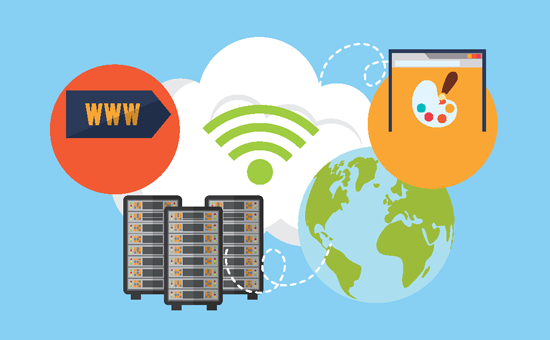
Scalability is important for cloud hosting. It allows websites to grow easily. Resources can be added without trouble. This means a site can handle more visitors. It helps businesses save money. They only pay for what they use.
Security Features keep data safe. Cloud hosting uses strong protections. It stops hackers and bad people. Encryption is used to protect information. Regular updates keep systems secure. This gives peace of mind to users.
Performance Benefits are amazing with cloud hosting. Websites load fast. This keeps visitors happy. Servers are reliable and work well. No more long waiting times. Everyone can access sites quickly. This makes cloud hosting a great choice.
Credit: www.wpbeginner.com
Managed Hosting
Managed hosting offers automatic updates and daily backups. This keeps your website safe and secure. 24/7 support is available for any issues. Managed hosting also provides optimized servers. This means your website will run fast and smooth. It often includes easy-to-use dashboards for simple management.
Businesses that want hassle-free hosting should choose managed hosting. It is ideal for those with limited technical skills. Bloggers and small business owners often use it. It is also good for e-commerce sites needing reliable performance. Managed hosting is perfect for anyone seeking peace of mind.
Many companies provide managed hosting services. Bluehost, SiteGround, and HostGator are popular choices. GoDaddy and InMotion Hosting also offer managed services. Each provider offers different plans. Prices vary based on features. Always check reviews before choosing a provider. Look for good customer support and uptime guarantees.
Choosing The Right Hosting
Assessing Needs is key. Think about what you need first. Do you need more storage or faster speed? How many visitors will you have? Some sites need special tools. Others need basic features. Knowing this helps you choose better.
Budgeting is important. Hosting prices vary. Some are cheap, others are costly. Decide what you can spend. Don’t spend too much. But also, don’t go too cheap. Balance is key. You want good service for your money.
Comparing Providers helps find the best. Look at reviews online. See what other people say. Check if they have good support. Compare features and prices. Some providers have extras. Others might be more reliable. Choose the one that fits your needs.
Credit: blog.templatetoaster.com
Domain And Hosting Connection
DNS is like a phone book for the internet. It helps computers find websites. Each website has a unique address called an IP address. The DNS matches the domain name with this IP address. This process is called resolving. Without DNS, we would need to remember long numbers.
To show your website, connect your domain to your hosting. This is called pointing. Update the DNS settings at your domain registrar. Enter the nameservers of your host. This tells the internet where your site lives. It may take some time to update.
Sometimes, domains do not point correctly. This is a common issue. DNS propagation can take up to 48 hours. Check if nameservers are correct. Another issue is expired domains. Ensure your domain is active and paid. Contact support if problems persist.
Frequently Asked Questions
What Is The Difference Between Web Hosting And Web Domain?
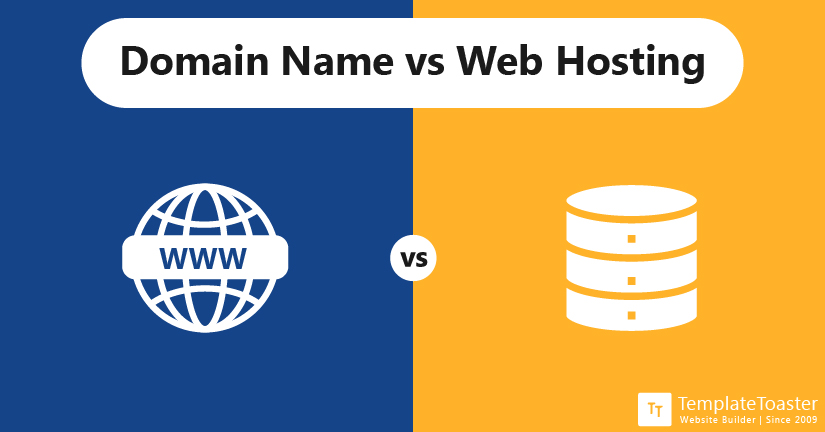
Web hosting stores your website files on a server, making them accessible online. A web domain is your website’s address (URL) that users type to visit your site. Both are essential for a functional website.
What Is An Example Of A Domain And Hosting?
A domain example is “example. com,” which serves as a website’s address. Hosting refers to the service that stores website files, making it accessible online. Companies like Bluehost or SiteGround offer hosting services, providing servers to host your website. A domain and hosting work together to create a functional website.
Do I Need Web Hosting If I Have A Domain Name?
Yes, web hosting is necessary to store your website files and make your site accessible online. Owning a domain name alone won’t display your content. Hosting services provide space on servers, ensuring your site can be viewed by visitors. Choose a reliable hosting provider for optimal performance and security.
Are Domain And Host The Same Thing?
A domain is your website’s address, while a host is where your website’s files are stored. They are different but work together to make your website accessible online. Domains are purchased, and hosting services are subscribed to separately. Both are essential for a functioning website.
Conclusion
Understanding web domains and hosting is crucial for online success. Domains are your website’s address. Hosting is where your site lives. Choose wisely to ensure smooth performance. Reliable hosting enhances your site’s speed and security. Opt for a memorable domain name.
This boosts your site’s visibility. Learn about different hosting types. Match them with your needs. Both domains and hosting shape your online presence. Now, you’re equipped with basic knowledge. Take steps towards a successful website journey. Happy web building!


