
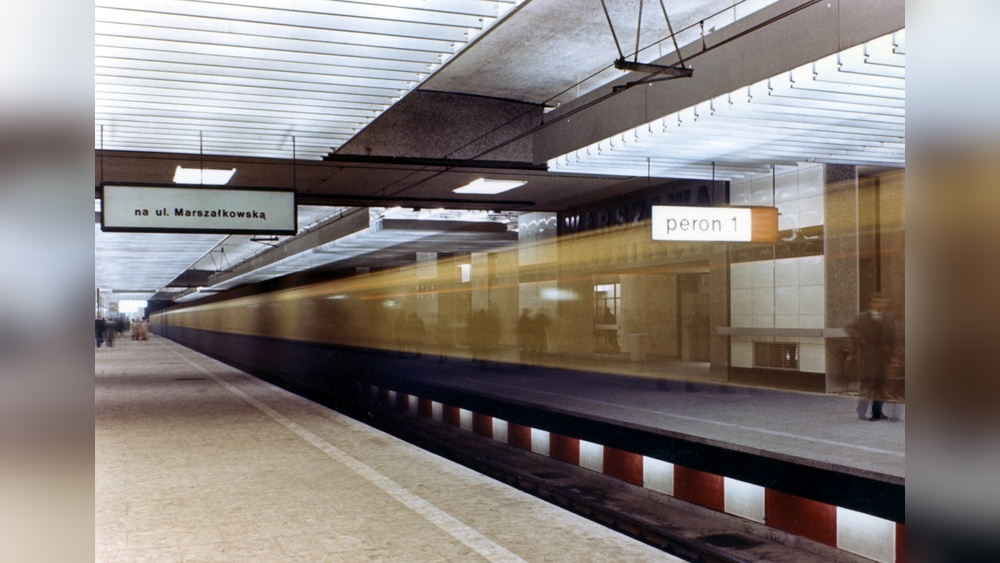
Have you ever stood waiting at a train station and wondered exactly what a train platform is and why it matters? Whether you’re a daily commuter or an occasional traveler, understanding the role of a train platform can make your journey smoother and safer.
A train platform isn’t just a simple spot next to the tracks—it’s where your trip truly begins and ends. You’ll discover what a train platform really is, why its design matters, and how it keeps you connected to your train.
Keep reading, and you’ll never look at a train station the same way again.
Train Platform Basics
Train platforms are essential parts of railway stations. They provide a safe and easy place for passengers to wait and board trains. Understanding the basics of train platforms helps travelers feel more comfortable and aware of their surroundings. This section explains the main features and locations of train platforms.
Definition And Purpose
A train platform is a raised area next to railway tracks. Passengers stand here to get on or off trains. Platforms make boarding safer by reducing the gap between the train and the ground. They also help organize passenger flow in busy stations. Some platforms have shelters, benches, and signs to assist travelers.
Location Within Stations
Platforms are usually found inside or beside train stations. In small stations, a platform may be the main structure present. Large stations have multiple platforms connected by walkways or tunnels. Platforms are placed along the train tracks to provide easy train access. Clear signs guide passengers to the correct platform for their train.
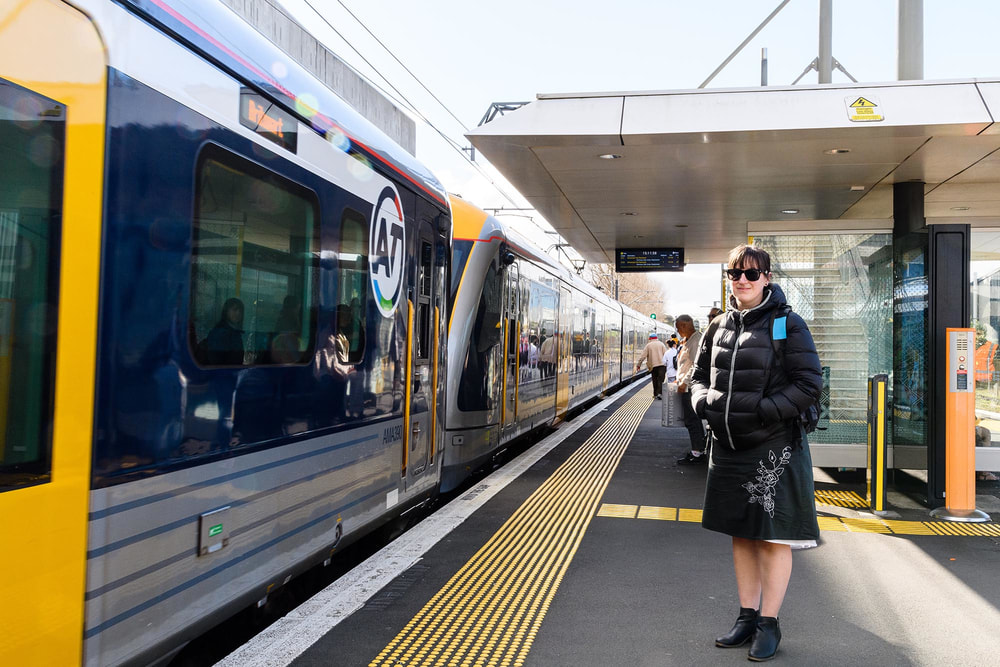
Credit: www.tracksafe.co.nz
Platform Types
Train platforms come in various designs to fit different station layouts and passenger needs. Each type serves a unique purpose, balancing safety and convenience. Understanding platform types helps travelers navigate stations better and appreciate how trains operate.
Ground-level Platforms
Ground-level platforms sit at the same height as the tracks. Passengers step up into the train from these platforms. They are common in smaller or rural stations. These platforms are easy to build and maintain. However, boarding may be harder for people with mobility issues.
Elevated Platforms
Elevated platforms rise above ground level. They match the train door height, making boarding easier. Many urban stations use elevated platforms for safety and efficiency. They keep passengers away from track-level hazards. Stairs, ramps, or elevators often connect these platforms to the station.
Island Platforms
Island platforms sit between two tracks. Passengers can board trains on either side. This design saves space in busy stations. Island platforms help manage high passenger volumes. They require clear signage to avoid confusion about train directions.
Bay Platforms
Bay platforms end in a dead-end track. Trains must reverse to leave these platforms. They are often used for branch lines or terminus stations. Bay platforms allow multiple trains to stop without blocking main tracks. Passengers benefit from easy access to trains on short routes.
Design And Structure
Platform operations are essential for smooth and safe train travel. They include managing how passengers get on and off trains, giving clear information, and controlling crowds. Efficient platform operations keep trains on time and passengers safe.
Every action on the platform is planned to avoid confusion and delays. Staff and technology work together to guide passengers and maintain order.
Boarding And Alighting Process
Boarding means getting on the train, and alighting means getting off. Platforms are designed to make these actions quick and safe. Clear markings show where train doors will open. Staff help passengers with luggage or special needs. The goal is to avoid crowding near doors and keep trains moving on schedule.
Platform Announcements
Announcements inform passengers about train arrivals, delays, and safety rules. They are made through loudspeakers at regular intervals. Clear announcements help passengers find the right train and prepare to board or leave. They also warn about closing doors or track dangers. Announcements reduce confusion and improve passenger experience.
Crowd Management
Managing crowds on the platform prevents accidents and delays. Staff monitor busy times and guide passengers to safe areas. Barriers and signs help control the flow of people. During peak hours, extra staff ensure orderly boarding. Effective crowd control keeps the platform safe and comfortable for everyone.
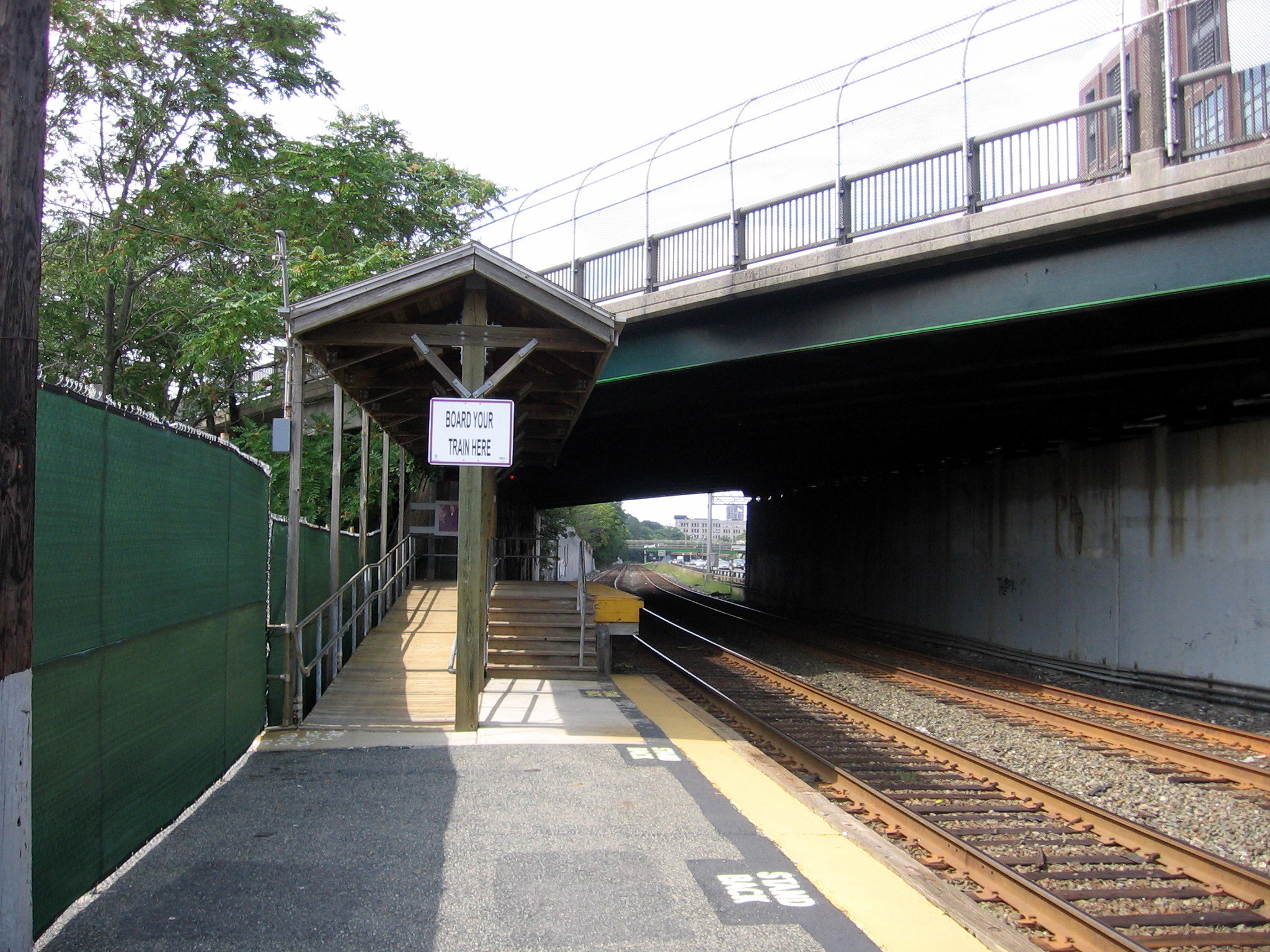
Credit: en.wikipedia.org
Passenger Facilities
The future of train platforms is changing fast. New technology and ideas aim to make platforms safer, cleaner, and smarter. These trends will improve the travel experience and help cities grow sustainably.
Smart Platforms
Smart platforms use digital tools to help passengers. Screens show real-time train schedules and delays. Sensors monitor crowd levels to prevent overcrowding. Mobile apps guide passengers to the right platform quickly. These features make travel easier and reduce waiting times.
Sustainable Materials
Building platforms with eco-friendly materials is a top priority. Recycled concrete and wood reduce waste and pollution. Solar panels on roofs provide clean energy for lighting and screens. Green roofs with plants help control temperature and improve air quality. These materials help protect the environment and cut costs.
Enhanced Safety Technologies
Safety on platforms is improving with new technology. Platform screen doors stop accidents by separating passengers from tracks. AI cameras detect unsafe behavior and alert staff immediately. Emergency communication systems allow quick contact with help. These tools keep passengers safe and calm during travel.
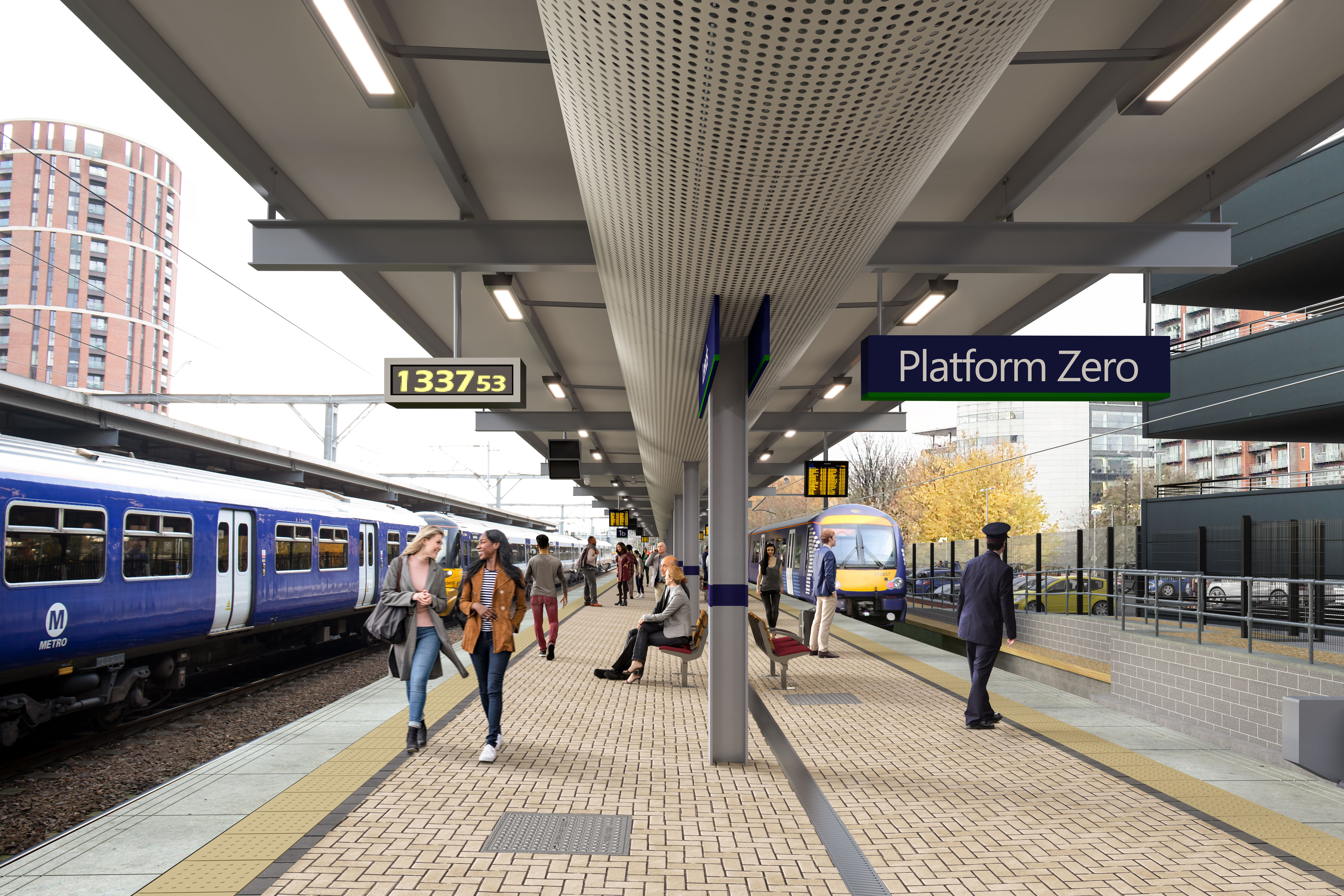
Credit: www.networkrailmediacentre.co.uk
Frequently Asked Questions
Why Do The Duttons Call It The Train Station?
The Duttons call it the train station because it serves as their main stop and gathering place. It symbolizes connection and travel.
How Do I Know The Platform Of A Train?
Check the train platform number on your ticket or station display boards. Listen for announcements and follow station signs to find the correct platform quickly.
How Much Is A Train Platform Ticket?
A train platform ticket usually costs between $10 and $50, depending on the railway station and country. Prices vary by location.
What Is The Difference Between Railway Station And Platform?
A railway station is the entire facility including buildings and tracks. A platform is the raised area beside tracks where passengers board or exit trains.
Conclusion
A train platform is where passengers wait for and board trains. It plays a vital role in making travel safe and easy. Platforms come in many shapes and sizes, depending on the station. They connect people directly to the train and help organize passenger flow.
Knowing what a platform is helps travelers understand train stations better. Next time you visit a station, you’ll recognize this simple but important part. It makes train travel smoother for everyone.


