
Are you ready to launch your website but feeling overwhelmed by the technical jargon? Don’t worry; you’re not alone.
One term you’ll often come across is “shared web hosting. ” But what exactly does it mean for you and your website? Imagine a digital apartment building where multiple sites share the same resources, like electricity and water. This is essentially what shared web hosting offers.
It’s cost-effective, easy to manage, and perfect for those starting out. By the end of this article, you’ll understand whether shared web hosting is the right choice for your online venture, helping you make an informed decision that suits your needs. Curious to discover how shared web hosting can simplify your online presence? Let’s dive in!
Basics Of Shared Web Hosting
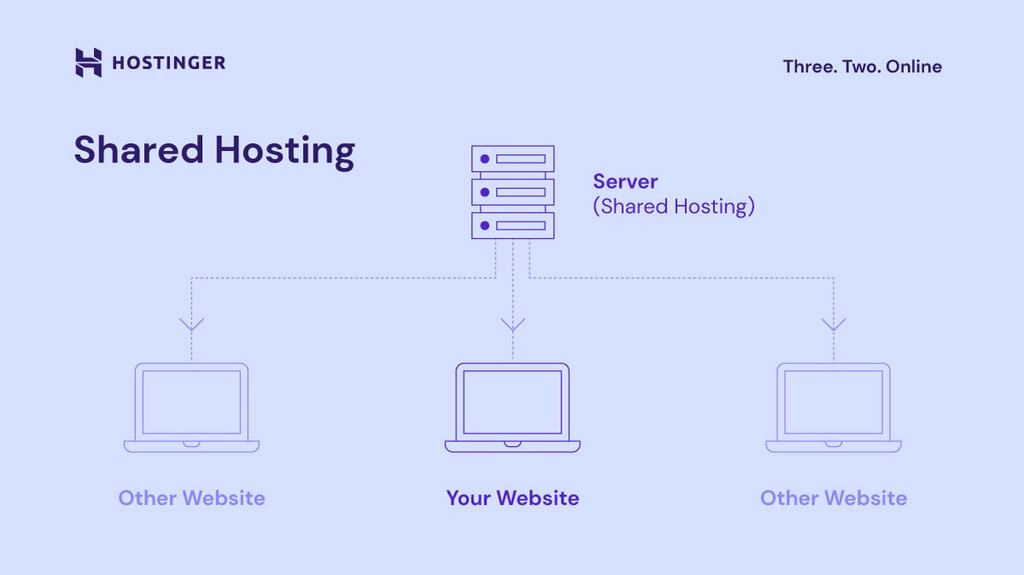
Shared web hosting means many websites use one server. This method is cost-effective. Each site gets a part of the server. The server’s resources are split among users. This includes storage, bandwidth, and memory. It’s like living in an apartment building. Everyone shares the same building facilities. Shared hosting is ideal for small websites. It’s best for personal blogs or small businesses. Easy to set up and manage. No advanced skills are needed.
The hosting company maintains the server. They handle updates and security. Users get access to a control panel. This helps manage their site. Many websites can run on one server. Each site has its own space. The server shares its resources with all sites. If one site uses too much, others may slow down. It’s important to choose a reliable host. This ensures good speed and support.
Benefits Of Shared Web Hosting
Shared web hosting is very affordable. You share server costs with others. This makes it a budget-friendly choice. Many people can use the same server. So, you pay only a small part of the total cost. It’s perfect for small businesses or personal projects. You get good value for your money. Also, hosting companies offer good support. This helps you save on hiring extra help.
Shared web hosting is easy to manage. You don’t need tech skills. Hosting companies take care of the hard stuff. They handle server maintenance and updates. This means less work for you. The control panel is simple to use. You can add or change things easily. It is great for beginners or those with little time. All you need is a computer and internet.
Limitations Of Shared Web Hosting
Shared web hosting involves multiple websites on one server, sharing resources like CPU and memory. This setup limits customization, often resulting in slower performance during traffic spikes. Cost-effective but may hinder demanding applications or heavy traffic sites.
Performance Constraints
Shared web hosting means many sites share one server. This can slow down your site. If one site gets busy, others slow down. Limited resources like RAM and CPU are shared. This affects speed. Sites compete for resources. Traffic spikes can cause delays. Your site might load slowly if others are busy. Performance can vary.
Security Concerns
With shared hosting, sites are on the same server. This increases security risks. If one site is hacked, others are at risk. Strong security measures are needed. Data breaches can happen easily. Sharing a server makes your site vulnerable. You rely on host’s security. Weak security can harm your site.

Credit: www.hostgator.com
Ideal Users For Shared Web Hosting
Small businesses often need a budget-friendly web hosting plan. Shared web hosting is perfect for them. It offers a cost-effective way to get online. These businesses usually have low traffic. They do not need advanced features. Shared hosting provides the basics they need. It’s easy to manage. No technical skills needed. Small businesses can focus on their work. They don’t have to worry about the website’s backend.
People with personal websites benefit from shared hosting too. They usually have simple sites. Blogs or hobby sites, for example. Shared hosting is affordable for them. It’s easy to set up. They can share their ideas with the world. No need for expensive plans. They get enough resources for their needs. And it’s easy to upgrade later if needed. Personal websites thrive on shared hosting.
Comparing Shared Hosting With Other Types
Shared hosting is like sharing a room. Many websites live on one server. Each website gets a part of the server’s power. This keeps costs low. VPS hosting is like having your own room in a house. You get more space and power. It costs more than shared hosting. But you get more control and speed. VPS is good for bigger websites. It can handle more visitors. It’s a step up from shared hosting.
Dedicated hosting means you get the whole house. The server is all yours. This gives you more power and control. It’s the most costly option. But it’s also the most powerful. Shared hosting is cheaper. But you share with others. It’s good for small sites. Dedicated hosting is better for big sites. Sites that need lots of power. Choose based on your website’s needs. Think about cost and power.
Choosing A Shared Hosting Provider
Disk space and bandwidth matter. You need enough for your site. Uptime is crucial. Providers must keep sites online. Customer support helps fix issues fast. It’s important for beginners. Security features protect data from threats. SSL certificates add safety. Easy-to-use control panel simplifies management. Beginners find it helpful. Pricing plans should fit budgets. Look for deals or discounts. Scalability means growth options. Some sites expand over time. Email accounts are often included. Useful for professional communication.
Many choose Bluehost for good support. HostGator is known for reliability. SiteGround offers strong security. DreamHost has scalable plans. GoDaddy provides many extra services. A2 Hosting is popular for speed. InMotion Hosting has strong uptime. iPage offers affordable options. Each provider offers unique benefits.
Tips For Optimizing Shared Hosting
Shared hosting means many websites use the same server. Each site gets limited resources. Use a resource monitor to check usage. Avoid heavy plugins and themes. They take more power. Choose lightweight plugins. These help keep sites fast. Regularly update your software. It can improve performance. Remove unused files and databases. This frees up space. Use caching tools. They help speed up loading times.
Security is important for shared hosting. Use strong passwords for all accounts. Change them often. Install security plugins. They protect against threats. Keep all software up-to-date. New updates fix security bugs. Regularly backup your data. This prevents data loss. Limit user access. Only trusted users should have full access. Use SSL certificates. They encrypt data between server and user.

Credit: www.globaladvertisingmedia.com
Credit: www.hostinger.com
Frequently Asked Questions
Is Shared Web Hosting Good?
Shared web hosting is cost-effective and suitable for small websites. It provides basic resources and easy management. Ideal for beginners, but performance may vary with high traffic. Consider business needs and budget when choosing.
What Are The Disadvantages Of Shared Hosting?
Shared hosting offers limited resources, impacting website speed and performance. Security risks increase due to multiple users sharing the server. Customization options are restricted, hindering site optimization. High traffic on neighboring sites can affect your site’s accessibility. Support response times might be slower due to shared responsibilities.
What Are The 3 Types Of Web Hosting?
Web hosting types include shared hosting, VPS hosting, and dedicated hosting. Shared hosting is cost-effective, hosting multiple sites on one server. VPS hosting offers better performance with virtual private servers. Dedicated hosting provides complete control with a server dedicated to one site.
What Is Difference Between Cloud Hosting And Shared Hosting?
Cloud hosting uses multiple servers to ensure reliability and scalability. Shared hosting involves multiple websites sharing a single server’s resources. Cloud hosting offers better performance and flexibility, while shared hosting is more cost-effective for beginners or small websites. Cloud hosting is ideal for high-traffic websites needing scalability.
Conclusion
Shared web hosting offers a cost-effective solution for website owners. It provides essential features needed for small to medium websites. Users benefit from shared resources, lowering costs significantly. This hosting type suits beginners with limited technical experience. Easy management and support make it ideal for startups.
Consider shared hosting if you need affordability and simplicity. It’s a practical choice for personal blogs or small business sites. Evaluating your website needs is important before choosing a hosting plan. Shared hosting often meets basic requirements efficiently. Explore options to find the best fit for your online presence.


