
Are you looking to launch your very own website but feel overwhelmed by the technical jargon and countless hosting options? You’re not alone.
Diving into the world of web hosting can seem daunting, but understanding the basics is easier than you might think. One of the most popular choices for beginners and small businesses is shared web hosting. But what exactly is a shared web hosting service, and why might it be the perfect fit for your needs?
Imagine having the power to connect with a global audience right at your fingertips without breaking the bank. Shared web hosting offers an affordable and straightforward solution to get your website up and running. We’ll demystify shared web hosting for you, highlighting its benefits and potential drawbacks. By the end, you’ll have a clear understanding of whether this hosting option aligns with your goals, saving you time, money, and unnecessary stress. Ready to unlock the secrets of shared web hosting? Let’s dive in and discover how it can transform your online presence.
Credit: verpex.com
Definition Of Shared Web Hosting
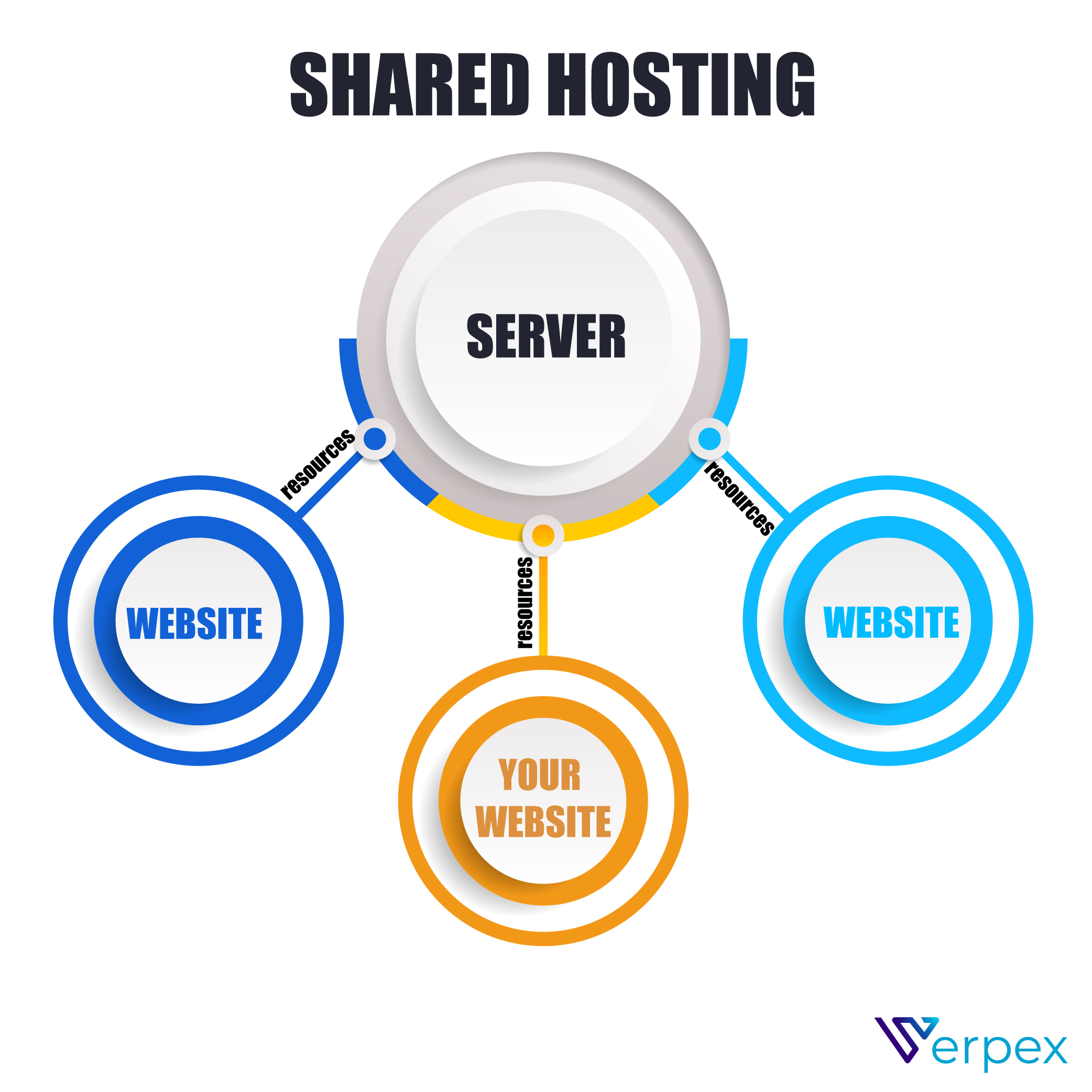
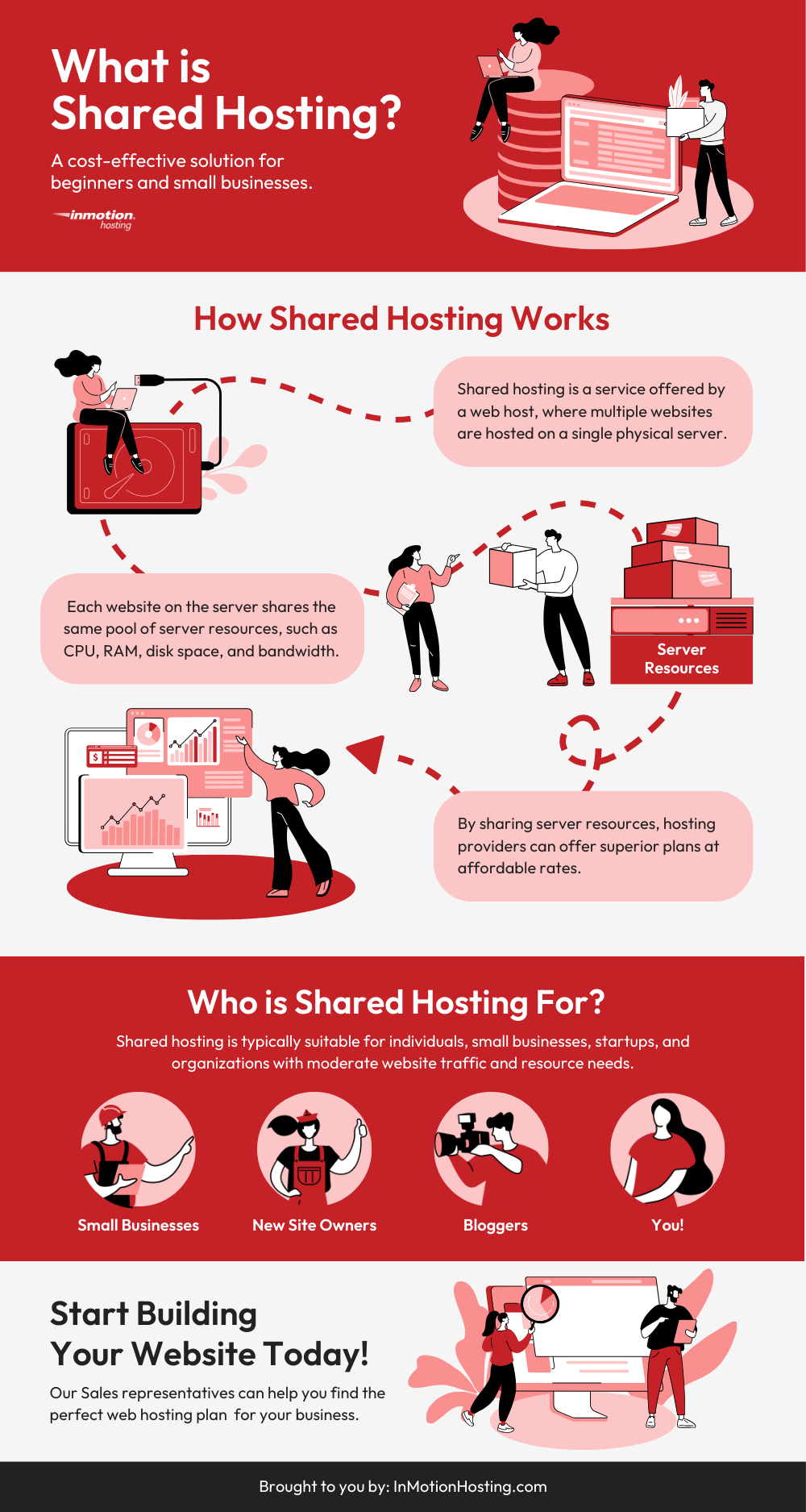
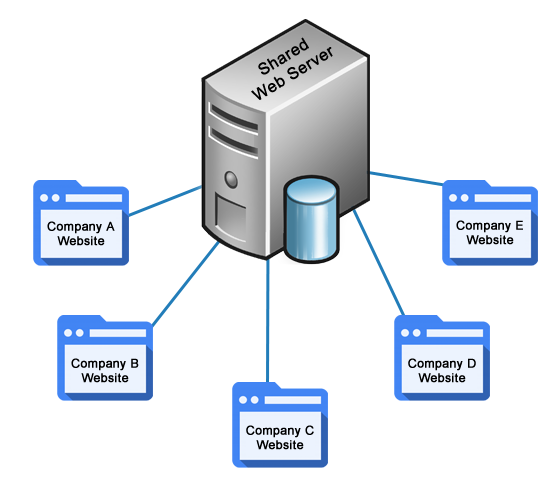
Shared web hosting is a service where many websites use one server. Each website has its own part of the server. This setup is very cost-effective. It is great for small businesses or personal sites. The server’s resources like RAM and CPU are shared. This helps to keep costs low. The hosting company manages the server. They take care of updates and security. Users do not need technical skills. Just focus on your website. It’s a simple and easy way to be online.
How Shared Hosting Works
Shared hosting lets many websites use one big server. Each website gets a small part of the server. This is like sharing a big pizza with friends. You get a slice, but not the whole thing. Websites share the same resources like storage and memory. This helps keep the cost low. It is a good choice for small websites or beginners. The server company handles all the technical stuff. This means you don’t need to worry about updates or fixes. Sharing a server means your site might be slower if others use too much. But for many, it’s a great start.
Benefits Of Shared Hosting
Shared hosting is very affordable for beginners. Many people can share one server. This makes it cheaper. You don’t need to buy a server by yourself. It’s a good choice for small businesses. You can save more money for other things.
Shared hosting is easy to use. You don’t need to know much about computers. Many hosts give you tools. These tools help you build your website. You can get started fast. No need to worry about complicated setups. It’s simple and user-friendly.
The hosting company takes care of the server. They fix problems and keep it running. You don’t have to do any server maintenance. If you have questions, support is there to help. Many hosting providers offer 24/7 support. They help you solve issues quickly.
Limitations Of Shared Hosting
Shared hosting means sharing resources with others. This includes CPU, memory, and bandwidth. Heavy usage by one site can affect others. Everyone gets a small part of the server. This can slow down your website.
Websites may load slower. Traffic spikes can cause problems. When many users visit, the server struggles. This affects all websites on the server. Your site might become unresponsive. This frustrates visitors.
Shared hosting has more security risks. If one site gets hacked, others are at risk too. Malware can spread easily. Security depends on the server’s setup. Shared hosting can’t guarantee high security. Always keep backups.
Ideal Users For Shared Hosting
Small businesses often have simple needs. Shared hosting fits these needs well. It is cost-effective and easy to use. Owners can focus on their business. The hosting company manages the tech side. This saves both time and effort.
Personal blogs do not need much space or power. Shared hosting is a good choice here. It is affordable for bloggers. They can share their thoughts online. No need to worry about high costs.
Artists and freelancers need online portfolios. Shared hosting offers them a simple start. It is budget-friendly. This helps them show their work. They can reach more people. It keeps their costs low.
Credit: www.inmotionhosting.com
Comparing Shared Hosting To Other Types
Shared hosting is like sharing a room. Many websites use the same server. VPS hosting is different. It’s like having your own room. You get more space and resources. VPS is often faster. Shared hosting is cheaper. It is good for small websites. VPS suits bigger sites with more traffic.
Shared hosting means sharing everything. Dedicated hosting means having your own server. Dedicated hosting is like owning a house. It offers more power and control. Shared is less costly. Dedicated is more secure. Businesses with high traffic prefer dedicated hosting. Shared hosting is ideal for beginners.
Shared hosting uses one server. Cloud hosting uses many servers. Cloud hosting is flexible. It can handle more traffic. Shared hosting is simpler. It is also cheaper. Cloud hosting offers better performance. Websites with growing needs choose cloud hosting. Shared hosting is for low-traffic sites.
Choosing The Right Shared Hosting Provider
Check if the hosting has enough storage and bandwidth. A good provider offers a control panel for easy management. See if they support multiple email accounts. Look for SSL certificates for website safety. Ensure they offer regular backups to protect data.
Compare the different pricing plans available. Some plans include free domain names. Check for any hidden fees. Choose a plan that fits your budget. Some providers offer discounts for long-term plans.
Read what others say about the hosting provider. Good reviews often mean reliable service. Look for comments on uptime and support. Negative reviews might indicate problems. A provider with many bad reviews might not be the best choice.
Tips For Maximizing Shared Hosting Performance
Shared web hosting means multiple websites share the same server resources. Enhance performance by optimizing images and using caching plugins. Regularly update software to ensure security and efficiency.
Optimizing Content
Large images make websites slow. Use small images instead. Keep text simple and short. Fast loading pages are important. Compress files to save space. This helps with speed. Always check your website’s speed. Use tools for this. Speed matters a lot for users.
Regular Updates
Updating your software is important. New updates fix bugs. They make your site secure. Check for updates often. Install them as soon as possible. Old software can be a problem. It slows down your site. It also risks security. Stay updated for better performance.
Monitoring Usage
Watch your site’s usage closely. Know how much space you use. Check your bandwidth often. Too much usage can slow your site. Limit large files if needed. Use tools to monitor usage. These help you see problems early. Fix issues to keep your site fast.
Credit: mango-wp.com
Frequently Asked Questions
What Are The Disadvantages Of Shared Hosting?
Shared hosting offers limited resources, affecting website performance during high traffic. Security risks arise due to shared server environments. Customization options are restricted, limiting control over server settings. Server downtime can impact site accessibility. Ideal for beginners, but advanced users may find it lacking.
Is Shared Web Hosting Good?
Shared web hosting is suitable for small websites with limited traffic. It is budget-friendly and easy to manage. Users share server resources, which can affect performance during traffic spikes. It is ideal for beginners and cost-conscious users. For high performance, consider upgrading to VPS or dedicated hosting.
What Does A Web Hosting Service Do?
A web hosting service provides server space for websites, ensuring they are accessible online. It manages server maintenance, security, and storage. Users can choose from shared, VPS, or dedicated hosting plans. Reliable hosting improves website performance and uptime, enhancing user experience and search engine rankings.
When Should I Use Shared Hosting?
Use shared hosting for small websites or blogs with low traffic. It’s cost-effective and easy to manage. Ideal for beginners needing basic resources and support. Perfect for individuals or startups with budget constraints and minimal technical requirements. Choose shared hosting for simple websites requiring standard performance.
Conclusion
Shared web hosting is a practical choice for many users. It provides an affordable way to host a website. Resources are shared among multiple sites. This can affect speed during high traffic. Yet, for small sites, it works well. It’s an ideal start for beginners.
Easy setup and maintenance are key benefits. Perfect for personal blogs or small businesses. As your site grows, consider upgrading. Evaluate your needs regularly. Choose wisely based on your website goals. Shared hosting offers simplicity and cost-effectiveness. A solid stepping stone into the online world.


