
Imagine having the power to effortlessly replicate your best work across your entire website. That’s exactly what a reusable block in WordPress offers you.
If you’ve ever spent time crafting the perfect call-to-action or a stunning testimonial section, only to wish you could easily use it again and again, you’re in for a treat. Reusable blocks can save you time, ensure consistency, and elevate your website’s performance.
Intrigued? Keep reading to discover how this powerful tool can transform your WordPress experience and give you more freedom to focus on what really matters: creating great content that resonates with your audience.
Reusable Block Basics
A Reusable Block in WordPress is a powerful tool. It helps save time. You can create content once and use it everywhere. Imagine making a button or a special text. Save it as a reusable block. Use this block on different pages or posts. If you change the block, it updates everywhere. This feature is great for consistent content. It helps keep your website neat and tidy. You save time with every update. Less work, more consistency. Perfect for headers, footers, or call-to-action buttons. Easy to create. Easy to manage. Try it once, use it forever!
Creating Reusable Blocks
Reusable blocks in WordPress are helpful. They save time and effort. You can use them again and again. Making them is easy. First, select the content. Then, turn it into a block. You can give it a name. This helps you find it later. WordPress stores it for you. It is in the block list. You can edit it anytime. Changes appear everywhere you use it. This keeps everything updated.
Reusable blocks help maintain consistency. They make sure all posts look the same. No need to repeat work. This saves you a lot of time. Share with others if needed. They can use them too. It’s simple and effective. You can always delete them if you want. This feature makes WordPress flexible.
Editing And Updating
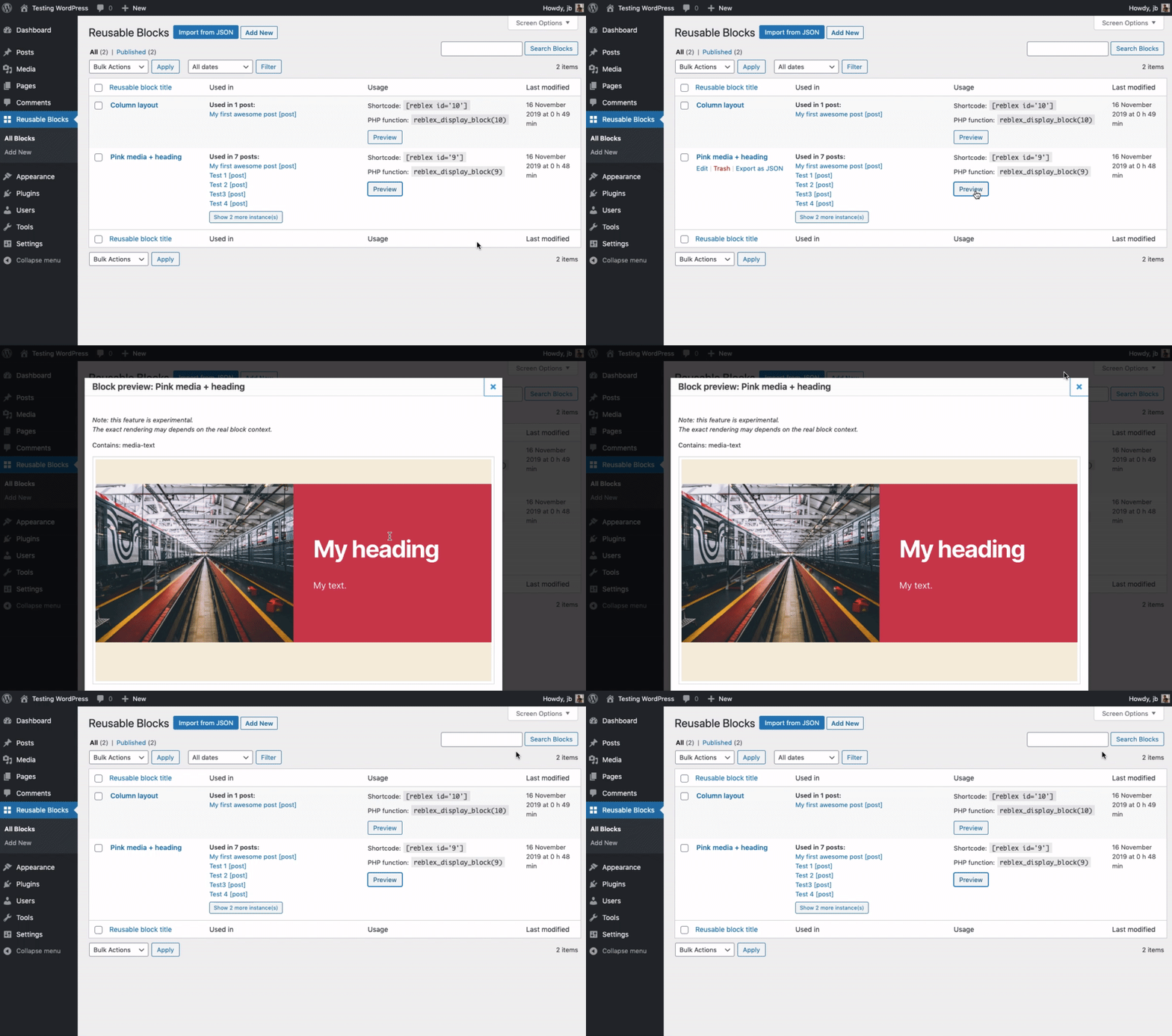
Reusable blocks in WordPress are very helpful. They let you save content for later use. You can edit a block easily. First, go to the block’s settings. Click on the block and choose “Edit.” Make your changes and save. This updates the block everywhere it is used. No need to change each post or page individually. Just update the block once. Your changes appear on all posts using that block. This saves time and effort.
Creating reusable blocks is simple. You can make blocks for text, images, or any media. Use them over and over. Editing these blocks is simple too. Just click and edit. WordPress makes it easy to keep content fresh. Update your blocks whenever needed. Keep your website looking great.
Credit: wordpress.org
Managing Reusable Blocks
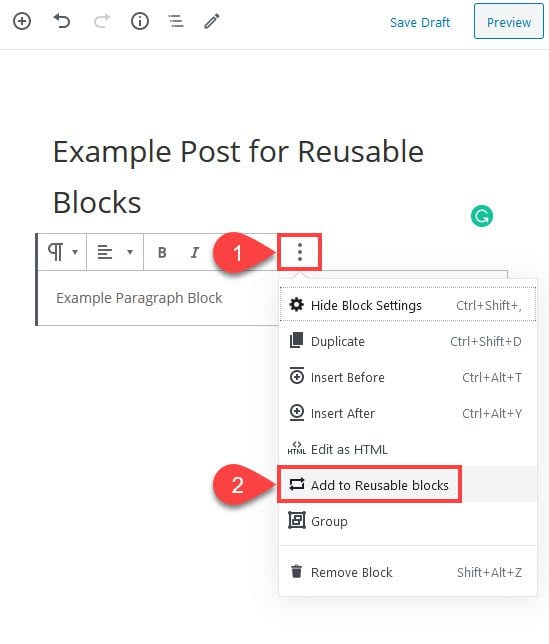
Organizing blocks is easy in WordPress. Go to the block editor. Find the block you want. Click on it. Choose the “Add to Reusable Blocks” option. Name your block clearly. This helps in finding it later. You can use tags to help sort blocks. Keep similar blocks together. This makes your work tidy. A tidy workspace saves time.
Deleting blocks is also simple. Go to the block manager. Find the block you want to remove. Click on the “Delete” button. Confirm your choice. Be careful when deleting. Once deleted, it is gone forever. Always check before you delete. This prevents mistakes. Mistakes can be hard to fix.
Benefits Of Reusable Blocks
Creating reusable blocks saves time. You build once and use many times. This way, less effort is needed for updates. Changes made in one place reflect everywhere. This boosts productivity. Tasks become easier and quicker. Reusable blocks mean no repeated work. Save hours every week. Content creation feels seamless.
Using blocks keeps pages consistent. The same style is maintained everywhere. Consistency builds trust with visitors. Pages look neat and organized. Updates become simple and uniform. There’s no need to worry about mismatched designs. Your website feels polished. Reusable blocks help achieve this smooth look. Everyone sees the same experience.
Common Use Cases
Reusable blocks in WordPress are handy. They save time. You can create content templates using them. Imagine writing similar posts often. A template helps keep style consistent. It makes editing easy. Just change the text. Everything else stays the same. This is useful for blogs with repeated formats.
Templates are like blueprints. You build once, use many times. They ensure posts look nice. They keep the design neat. Templates help with organizing information. You don’t need to start from scratch. This makes blogging quicker and smoother. It’s great for busy writers.
Some elements appear often in posts. Lists, buttons, and forms are examples. Reusable blocks simplify this. Create a block for each element. Use it whenever needed. This helps maintain uniformity. It keeps the style consistent across posts. It’s efficient and saves effort.
Tips For Effective Use
Choose a simple and clear name for your blocks. This helps in finding them quickly. Avoid long or complex names. Keep it short and sweet. This way, you can easily identify and use them later. A good name saves time and avoids confusion. Make sure the name describes the block’s purpose. For instance, use “Contact Form” for a form block.
Update your blocks often to keep them fresh. Always check for new content or styles. Outdated blocks may not work well. Regular updates ensure the blocks are relevant. Keep your blocks consistent with the website’s theme. This helps in maintaining a professional look. Make it a habit to review and refresh your blocks.
Credit: www.elegantthemes.com
Troubleshooting Issues
A reusable block in WordPress saves time by allowing you to use the same content across multiple pages. Edit once, and it updates everywhere it’s used. Great for maintaining consistency and efficiency in your website design.
Block Not Updating
Sometimes, a reusable block might not update as expected. This can be frustrating. Check if you saved changes. Refresh the page to see updates. Clear your browser cache. This often fixes the issue. Check if you have the latest WordPress version. Updates can fix bugs. Disable other plugins temporarily. Some plugins might cause conflicts. Contact support if the problem continues.
Conflict With Plugins
Plugins can cause conflicts with reusable blocks. Deactivate plugins one by one. Identify which plugin is causing the issue. Update your plugins regularly. This prevents conflicts. Use plugins from trusted sources. This ensures compatibility. Check plugin reviews. Avoid plugins with many conflict reports. Reach out to plugin developers for help. They can offer solutions.
Credit: ostraining.com
Frequently Asked Questions
What Is A Reusable Block In WordPress?
A reusable block in WordPress is a saved block that can be used multiple times across your website. It helps maintain consistency in design and content. You can edit a reusable block, and the changes will reflect wherever it’s used.
This feature enhances efficiency and streamlines content updates.
How Do I Create A Reusable Block?
To create a reusable block, select a block in the editor, click on the three dots in the toolbar, and choose “Add to Reusable Blocks. ” Give it a name, and save it. You can now insert this block in any post or page, ensuring consistent content and design.
Can Reusable Blocks Be Edited?
Yes, reusable blocks can be edited. When you update a reusable block, the changes automatically apply wherever the block is used. To edit, simply navigate to the block library, select the block, and make your changes. This feature ensures uniformity in your content across the site.
Where Can I Find Saved Reusable Blocks?
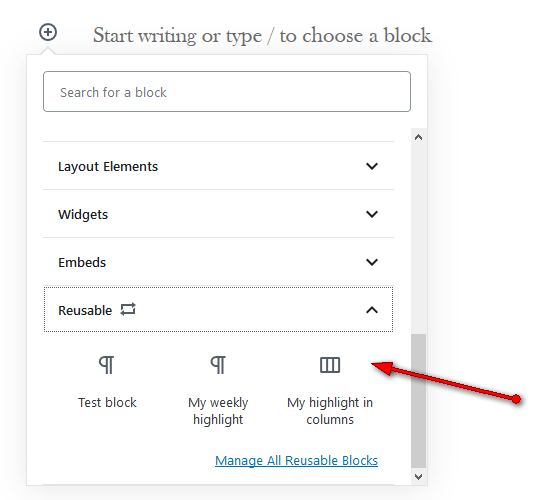
You can find saved reusable blocks in the block inserter panel within the WordPress editor. Click the “+” icon, then navigate to the “Reusable” tab. Here, you can view, insert, or edit your saved blocks. This centralized location makes it easy to manage and utilize reusable blocks efficiently.
Conclusion
Reusable blocks simplify content creation. They save time and ensure consistency. Easy to create. Easy to edit. Once set up, use them across multiple pages. No need for repeated formatting. Perfect for headers, footers, or call-to-action sections. They enhance productivity.
Keep your site uniform. Great for beginners and experts alike. Boost efficiency without complex tools. WordPress makes it simple. Just a few clicks. Reusable blocks are practical. They’re a handy feature for any website. Embrace them for smoother site management.
Your content stays organized and cohesive. Dive into WordPress and explore reusable blocks today.


