
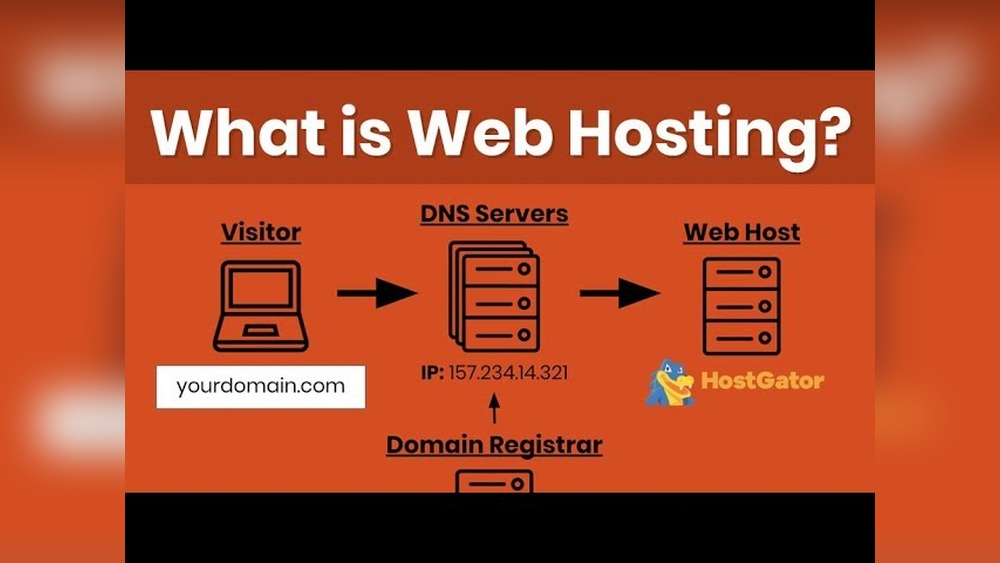
Have you ever wondered how websites appear online whenever you type a web address? It all starts with something called a domain hosting provider.
If you’re planning to create your own website or just curious about how the internet works, understanding what a domain hosting provider does can make a big difference. This knowledge will help you choose the right service for your needs and avoid common pitfalls.
Keep reading, and you’ll discover exactly what a domain hosting provider is and why it matters for your online presence.
Credit: www.youtube.com
Domain Hosting Basics
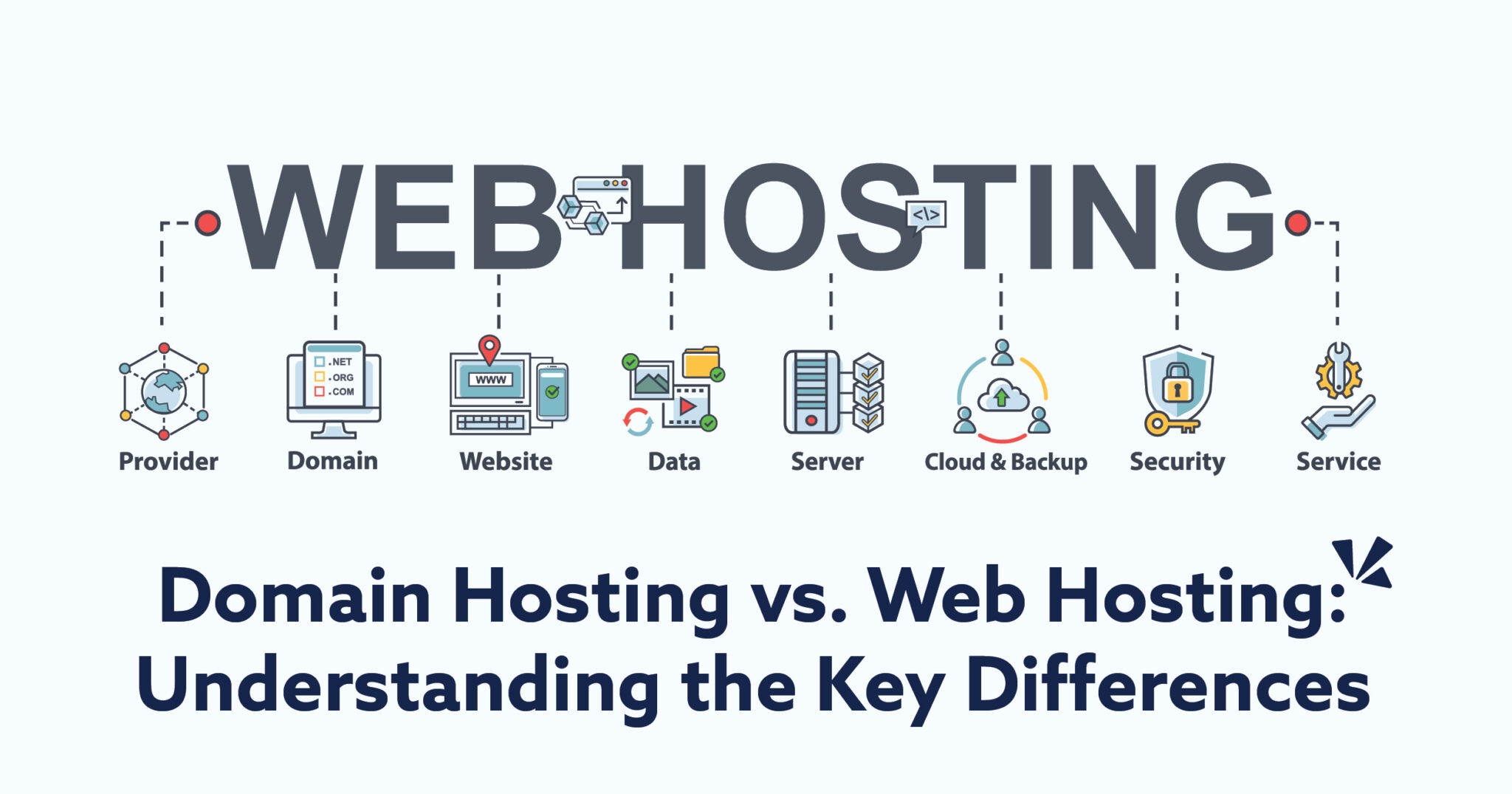
Understanding domain hosting basics is key for building a website. It connects your domain name to a space on the internet. This space stores your website’s files and data. Without domain hosting, your site cannot be seen online.
What Is Domain Hosting
Domain hosting is a service that stores your website on a server. The server is a powerful computer that runs all day. It keeps your website files safe and ready to show visitors. When someone types your domain name, the server sends the website to their browser.
Think of domain hosting as renting space on the internet. You get a place to keep your website files. The hosting provider manages the server and keeps it running smoothly.
How Domain Hosting Works
First, you register a domain name. This is your website’s address, like www.example.com. Then, you buy hosting from a provider. The provider gives you server space for your website files.
Next, you connect your domain to the hosting server. This link tells the internet where to find your website. When visitors enter your domain, the server sends the files to their device. This process happens fast, so your website loads quickly.
Credit: pinnaclemgp.com
Types Of Domain Hosting
Domain hosting comes in several types. Each type fits different needs and budgets. Understanding these types helps you choose the right hosting for your website.
Shared Hosting
Shared hosting means many websites share one server. It is the cheapest option. Good for small sites with low traffic. Resources like memory and bandwidth are shared. Performance can slow if other sites use too much.
Vps Hosting
VPS stands for Virtual Private Server. It divides one server into many virtual servers. Each has its own space and resources. More power and control than shared hosting. Suitable for medium-sized websites and growing businesses.
Dedicated Hosting
Dedicated hosting gives you a whole server. No sharing with others. Full control over server settings and resources. Best for large websites with high traffic. Offers high speed and security but costs more.
Cloud Hosting
Cloud hosting uses many servers connected together. Your site runs on a network of servers. Can handle large traffic spikes easily. Pay only for the resources you use. It is flexible and reliable for all sizes of websites.
Choosing The Right Provider
Choosing the right domain hosting provider is a crucial step for your website’s success. The right provider ensures your site stays online and loads fast. It also offers tools that help you manage your domain easily. Picking the best provider can save you time and money.
Key Features To Look For
Focus on uptime guarantees to keep your site available. Check for easy domain management tools. Look for good customer support that answers questions quickly. Security features like SSL certificates protect your site and visitors. Also, consider if the provider offers email services with your domain.
Comparing Popular Providers
Popular providers include GoDaddy, Bluehost, and Namecheap. Each offers different features and levels of support. Some have user-friendly dashboards, while others offer more advanced options. Choose one that matches your technical skills and needs. Reading user reviews can help you decide.
Pricing And Plans
Providers offer various pricing plans based on features and domain types. Some plans include extras like privacy protection or website builders. Look for clear pricing without hidden fees. Choose a plan that fits your budget and future growth. Remember, the cheapest option is not always the best.
Setting Up Your Domain
Setting up your domain is the first step to creating your website. It connects your website name to the internet. This process helps visitors find your site easily. Understanding how to set up your domain ensures your site runs smoothly.
Registering A Domain Name
Choose a domain name that matches your brand or idea. Use a domain registrar to check if the name is available. Register the name by providing your details and paying a fee. Registration usually lasts one year but can be renewed.
Connecting Domain To Hosting
After registering, link your domain to your hosting provider. This step lets your website files show up online. You need to enter the hosting server’s details into your domain settings. This connection makes your website live and accessible.
Managing Dns Settings
DNS settings control how your domain works on the internet. You can manage DNS records like A, CNAME, and MX to direct traffic properly. Correct DNS settings ensure email and website services work without issues. Update DNS settings carefully to avoid downtime.
Security And Support
Security and support are key parts of a good domain hosting provider. Your website’s safety depends on strong security features. Support helps solve issues quickly to keep your site running. Both make your online presence reliable and trustworthy.
Ssl Certificates
SSL certificates protect data sent between your site and visitors. They keep information like passwords and credit card numbers safe. Hosting providers often include SSL certificates with their packages. This adds a layer of trust and improves your site’s ranking on search engines.
Backup And Recovery
Backups save copies of your website data regularly. If something goes wrong, you can restore your site from a backup. Good hosting providers offer easy backup and recovery options. This prevents data loss and reduces downtime.
Customer Support Options
Reliable customer support helps you solve hosting problems fast. Providers may offer support via chat, phone, or email. Some also have knowledge bases with helpful articles. Quick support keeps your website online and running smoothly.
Credit: pinnaclemgp.com
Optimizing Your Hosting Experience
Optimizing your hosting experience helps your website run smoothly and efficiently. A well-optimized hosting setup improves load times and reduces downtime. It also supports growth as your site gains more visitors.
Small changes can make a big difference in performance and reliability. Knowing how to manage your hosting resources saves time and avoids problems. Use simple tools and follow basic tips to keep your site healthy.
Performance Tips
Choose a hosting plan that matches your website’s needs. Avoid shared hosting if you expect high traffic. Use caching to speed up page loading. Compress images to reduce file sizes. Keep your website software and plugins updated.
Scaling Your Website
Plan for growth by selecting scalable hosting options. Upgrade your plan as your traffic increases. Use cloud hosting for flexible resource allocation. Monitor your website’s performance regularly. Add more storage and bandwidth when required.
Using Control Panels
Control panels simplify website and server management. Use cPanel or Plesk to handle files and databases. Manage email accounts and security settings easily. Backup your website regularly through the control panel. Use one-click installers for apps and scripts.
Frequently Asked Questions
What Is A Domain Hosting Provider?
A domain hosting provider offers services to register and manage domain names. They link your domain to a web server, making your website accessible online.
How Does Domain Hosting Work?
Domain hosting connects your website’s domain to a server. It directs visitors to your site when they enter your domain name in a browser.
Why Do I Need A Domain Hosting Provider?
You need a domain hosting provider to secure your domain name. They ensure your website is live and reachable on the internet.
Can I Use One Provider For Domain And Hosting?
Yes, many providers offer both domain registration and web hosting. Using one provider simplifies management and billing for your website.
Conclusion
A domain hosting provider stores your website online. It connects your domain name to the internet. Choosing the right provider helps your site load fast and stay secure. They offer different plans to fit your needs. Understanding their role makes managing your website easier.
Now, you know why a domain hosting provider matters. Keep this in mind when setting up your site. Simple, reliable hosting supports your online presence well.


