
Are you ready to get your website online but feel confused about where to start? Understanding what a domain hosting package is can make the process much easier for you.
Imagine having a simple, all-in-one solution that holds your website’s name and stores all your files safely. This is exactly what a domain hosting package offers. By the end of this article, you’ll know exactly what it is, why it matters for your online presence, and how to choose the best one for your needs.
Keep reading—you’re just one step away from making your website dreams come true.
Credit: www.youtube.com
Domain Hosting Basics
Understanding domain hosting basics helps you start a website right. It is important to know what domain hosting means. Also, learn how it works and the types available. This knowledge makes it easier to choose the best package.
What Is Domain Hosting
Domain hosting is a service that stores your website files. It connects your website name to the internet. Without hosting, your website cannot be seen online. It acts like a home for your website data.
How Domain Hosting Works
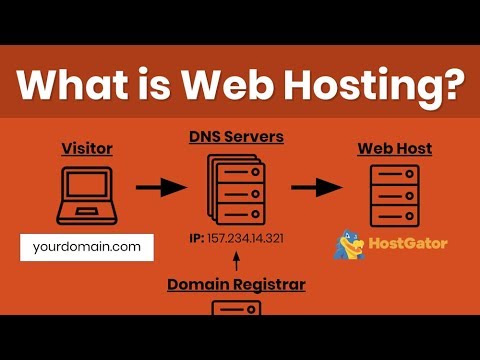
When someone types your website name, the hosting server sends files. These files appear as web pages on the visitor’s screen. The server runs 24/7 to keep your website online. It handles all requests and data transfer.
Types Of Domain Hosting
There are several types of domain hosting. Shared hosting means many websites share one server. It is cheap but slower at times. VPS hosting offers more power by dividing server space. Dedicated hosting gives a whole server to one website. It is fast and secure but costly. Cloud hosting uses many servers to keep your site running smoothly.
Key Features Of Hosting Packages
Understanding the key features of a domain hosting package helps you choose the right plan. Hosting packages come with different tools and resources. These features affect your website’s performance and reliability. Knowing them ensures your website runs smoothly and stays secure.
Storage And Bandwidth
Storage is the space you get to save website files. More storage means you can add more images, videos, and content. Bandwidth is the amount of data your site can transfer to visitors. Higher bandwidth supports more traffic without slowing down your site.
Email Services
Many hosting packages offer email accounts with your domain name. These accounts help you create professional email addresses. You can manage emails easily through webmail or email clients. Some plans include spam protection and email forwarding.
Security Options
Security is vital for protecting your website and visitors. Hosting packages often include SSL certificates to secure data. Firewalls and malware scanning keep your site safe from attacks. Regular backups help restore your site if problems occur.
Customer Support
Good customer support helps solve hosting issues quickly. Support may include live chat, email, or phone help. Many providers offer 24/7 support for emergencies. Clear guides and tutorials also assist in managing your hosting.
Choosing The Right Package
Choosing the right domain hosting package is a key step for your website’s success. The package you pick affects your site’s speed, security, and how much traffic it can handle. Taking time to select the best option saves money and avoids future problems.
Assessing Your Website Needs
Start by understanding your website’s purpose. Will it be a blog, an online store, or a portfolio? Different sites need different resources. Consider how much storage space and bandwidth you require. Think about the number of visitors you expect each month. Also, check if you need special features like email accounts or SSL certificates.
Comparing Pricing Plans
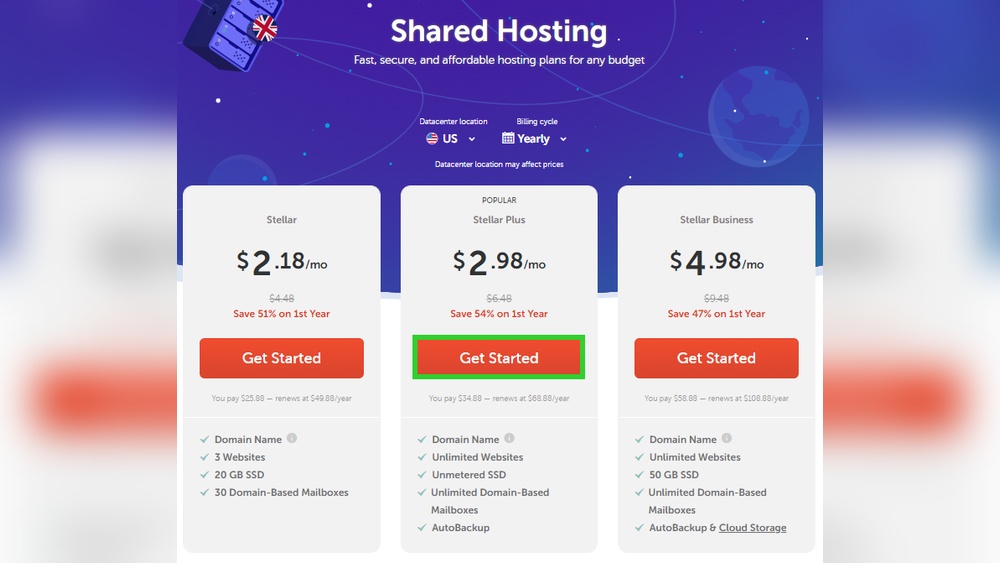
Look at the prices of various hosting providers. Compare what each plan offers for the price. Some plans may seem cheap but lack important features. Others might include extras like free domain registration or backups. Choose a plan that fits your budget without cutting essential services.
Evaluating Performance And Reliability
Performance means how fast your website loads. A slow site drives visitors away. Reliability means your site stays online without interruptions. Check the hosting provider’s uptime guarantee. Look for reviews about their speed and support. A good host keeps your website running smoothly all the time.

Credit: www.copahost.com
Popular Hosting Providers
Choosing the right domain hosting package starts with knowing the popular hosting providers. These companies offer various plans that suit different needs and budgets. Understanding their strengths helps pick the best fit for your website.
Top Providers Overview
Several hosting providers lead the market. Bluehost, SiteGround, and HostGator are among the top choices. Each has a strong reputation for reliability and support. They offer shared, VPS, and dedicated hosting plans. This variety meets the needs of small blogs to large businesses.
Unique Features Offered
Each provider stands out with unique features. Bluehost includes free domain registration for the first year. SiteGround offers advanced security tools and daily backups. HostGator provides an easy-to-use control panel and unmetered bandwidth. These extras add value beyond basic hosting.
Customer Reviews And Ratings
Customer feedback reveals real experiences. Bluehost scores high for uptime and customer service. SiteGround is praised for fast loading speeds and helpful support. HostGator gets good marks for beginner-friendly setup and affordable pricing. Ratings help confirm a provider’s trustworthiness.
Setting Up Your Domain Hosting
Setting up your domain hosting is the first step to make your website live. It involves several simple tasks that connect your domain name to your hosting service. These steps ensure visitors can find your website on the internet.
Each task is important for your website’s performance and accessibility. Follow these steps carefully to avoid common issues.
Registering A Domain Name
Choose a domain name that matches your brand or website purpose. Use a domain registrar to check if your chosen name is available. Register your domain by providing your contact details and paying the registration fee. Once registered, you officially own the domain for a set period.
Configuring Dns Settings
DNS settings tell the internet where to find your website files. Access your domain registrar’s control panel to manage DNS records. Set the nameservers to point to your hosting provider. This step links your domain with your hosting server, making the website accessible.
Uploading Your Website
After setting up DNS, upload your website files to the hosting server. Use an FTP client or the hosting control panel’s file manager. Place your files in the public_html folder or root directory. Check your site by entering your domain name in a browser.
Common Challenges And Solutions
Domain hosting packages come with some common challenges. These can affect your website’s performance and security. Knowing these issues helps you prepare and act fast. Solutions are often simple but require attention and care.
Troubleshooting Connectivity Issues
Connectivity problems stop visitors from reaching your site. Causes include DNS errors, server downtime, or incorrect settings. Check your domain name server settings first. Make sure your hosting server is running smoothly. Use online tools to test your site’s availability. Contact your hosting provider if problems continue. Keep a backup plan ready for emergencies.
Managing Renewals And Expirations
Domain and hosting renewals are easy to forget. Missing renewal dates leads to downtime or loss of domain. Set reminders well before the expiration date. Use automatic renewal options if available. Keep contact details updated with your provider. Monitor your payment methods to avoid failed charges. Renew early to ensure continuous service.
Handling Security Threats
Security threats like hacking and malware are common risks. Choose hosting packages with strong security features. Use SSL certificates to protect data transfer. Keep your website software and plugins updated. Use strong passwords and change them regularly. Monitor your site for suspicious activity. Back up your data frequently to recover quickly.
Future Trends In Domain Hosting
Domain hosting is evolving fast. New trends shape how websites run and grow. These changes affect speed, security, and ease of use. Understanding future trends helps choose the best hosting package.
Cloud Hosting Advances
Cloud hosting uses many servers to store data. This method improves website speed and uptime. Future updates will make cloud hosting more flexible and affordable. Businesses will get more control over resources. This means better performance during traffic spikes. Cloud hosting will keep growing as a popular choice.
Integration With Website Builders
Website builders simplify site creation. Hosting packages now include easy builder tools. Future trends will see tighter integration. Users will build and host sites in one place. This saves time and reduces technical steps. Beginners will find it easier to start online.
Emerging Security Technologies
Security is vital for domain hosting. New tools will protect websites from attacks. Technologies like AI will detect threats faster. Encryption methods will become stronger. Hosting providers will offer better security features by default. Websites will stay safer from hacking and data loss.

Credit: www.seekahost.com
Frequently Asked Questions
What Is Included In A Domain Hosting Package?
A domain hosting package typically includes domain registration, web hosting space, email accounts, and technical support. It allows you to manage your website and online presence efficiently in one place.
How Does Domain Hosting Differ From Web Hosting?
Domain hosting includes domain registration and management, while web hosting provides server space to store your website files. Both are essential for making your website accessible online.
Why Choose A Domain Hosting Package Over Separate Services?
Choosing a domain hosting package simplifies management by combining domain registration and hosting. It often reduces costs and ensures better compatibility between services.
Can I Transfer My Domain To A New Hosting Package?
Yes, most providers allow domain transfers to their hosting packages. Ensure you follow the transfer process carefully to avoid downtime or domain loss.
Conclusion
Choosing the right domain hosting package matters for your website’s success. It affects speed, security, and how easy your site is to manage. Compare plans based on your needs and budget. Think about storage, bandwidth, and support options. A good package helps your site run smoothly and stay online.
Take time to understand what each package offers. This way, you make a smart choice that fits your goals. Simple steps lead to a stronger online presence.


