
Picture this: you’ve got a brilliant idea for a website, perhaps to showcase your business, share your thoughts, or even start a new online venture. But where do you begin?
Understanding the basics of domain and web hosting is crucial. These are the building blocks of your online presence. You might be wondering, “What exactly is a domain? And why do I need web hosting? ” Don’t worry, you’re not alone.
Many people feel a little overwhelmed when they first dive into the world of websites. A domain is like your website’s street address, while web hosting is the space where your website lives. Think of it as renting a spot on the internet. Without these, your website can’t exist online. By the end of this article, you’ll have a clear grasp of these concepts and how they work together to make your website accessible to the world. So, stick around and discover how you can lay a strong foundation for your digital journey!
Domain Basics
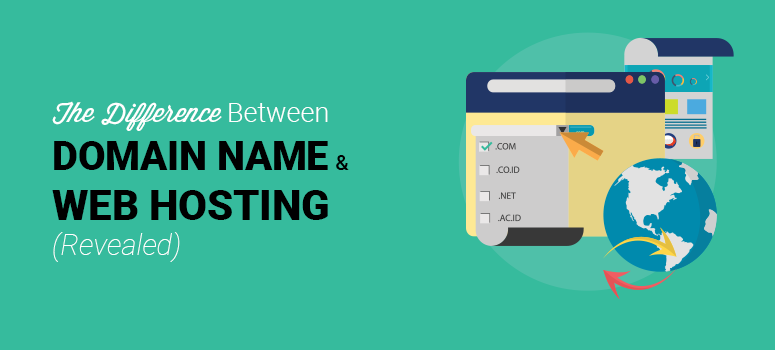
A domain is your website’s name on the internet. It’s like an address. People type it to visit your site. Each domain is unique. It helps users find your website easily. Without a domain, websites would use numbers. Numbers are hard to remember. Domains make it simple.
Domain names help people find websites. They turn numbers into words. This makes them easy to remember. A domain also shows your brand. It can make your website look professional. People trust domains they know. A good domain can help your site grow. It’s important to choose wisely.
There are different types of domains. The most common is .com. Others include .org and .net. Some are special. Like .edu for schools. Or .gov for government sites. Country codes exist too. Like .uk for the United Kingdom. Each type serves a purpose.
Credit: www.isitwp.com
How Domains Work
A domain is like an online address. To get one, you must register it. Choose a name that is unique. Use a registrar to help you. They check if the name is free. If it is, you can buy it. Pay a fee every year to keep it. This name helps people find your website.
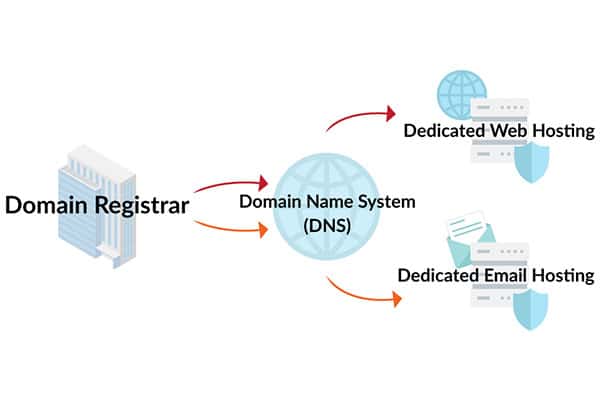
DNS is like a phone book for the internet. It helps match domain names to IP addresses. Without DNS, you would need to remember numbers. DNS makes browsing easy. Type a name, and DNS finds the site for you.
Managing a domain is important. You can change settings in your account. Update your contact info there. Make sure your domain does not expire. Set reminders to renew it. Protect your domain from being stolen. Use strong passwords and enable two-factor authentication.
Web Hosting Essentials
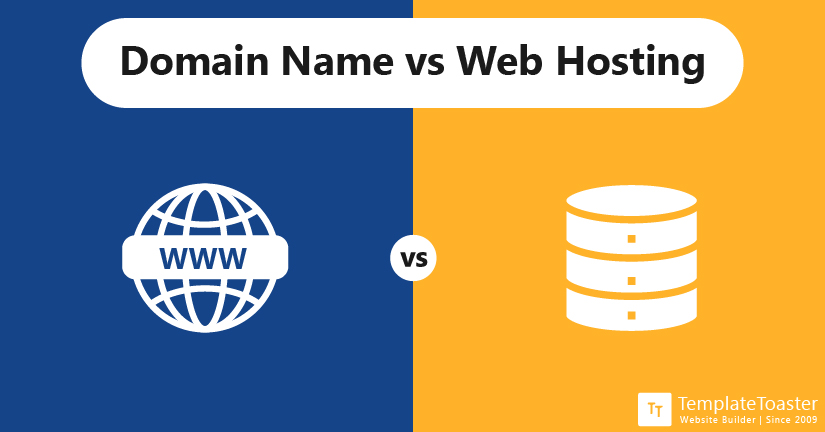
Domains and web hosting are key elements of website creation. A domain is your website’s address on the internet. Web hosting is the service that stores your website’s files and makes them accessible online. Together, they ensure your website is visible to users globally.
Definition Of Web Hosting
Web hosting is a service. It stores your website files. These files are on a server. The server is powerful. It connects to the internet 24/7. Hosting allows websites to be online. People can visit your site anytime. It is essential for all websites. Think of it as renting space online. Without hosting, websites can’t be seen. It’s like a home for your site.
Types Of Web Hosting
There are different types of web hosting. Shared hosting is common. Many sites share one server. It’s cheap and easy. Then there’s VPS hosting. It offers more control. It’s a virtual private server. Dedicated hosting is another type. You get a whole server. It’s for large sites. Cloud hosting is also popular. It uses many servers. It’s flexible and reliable. Each type has pros and cons.
Choosing A Hosting Provider
Picking the right hosting provider is important. Look for good support. Check their uptime guarantee. More uptime means your site is online more. Consider the price too. Read reviews from users. See what others say. Check the features. Make sure they fit your needs. Some providers offer extras. Like free domain names. Or SSL certificates. Always choose a trusted provider.
How Web Hosting Operates
Web hosting uses powerful computers called servers. These servers store your website files. They keep your website online. Servers work all the time. They never rest. This makes sure your website stays live.
Websites need a place to keep data. Hosting provides this storage space. When someone visits your site, data moves from the server to their device. This is called data transfer. The more visitors, the more data moves. Hosting services often have limits. They check how much data you use.
Security is key in web hosting. Servers have firewalls to block bad traffic. They also use encryption to keep data safe. Hosting services provide backups. They save copies of your website. If something breaks, you can restore it. Security keeps your site and visitors safe.
Connecting Domain And Hosting
A domain is your website’s address, while web hosting stores its files. Linking them lets visitors access your site online. Understanding these basics helps in creating a functional website.
Linking Domain To Hosting
Domains and hosting need a connection. This makes your website live. To do this, adjust the DNS settings. They guide web users to your site. Enter the hosting server’s IP address in the domain panel. This step is crucial. It helps your domain find the right place.
Dns Settings
DNS settings are important. They act like a map. This map connects your domain to your server. You must update the nameservers. Each domain has nameservers. These are like signs that point to your web host. Ensure they match your hosting provider’s details. Check them twice for errors.
Common Issues And Solutions
Problems can arise. Sometimes domains won’t connect. This could be due to wrong DNS settings. Double-check nameservers. Make sure they are correct. Clear browser cache often. If issues persist, contact your hosting support. They can help solve technical problems. Regular checks prevent future issues.
Credit: momentum3growth.com
Benefits Of Domain And Hosting
A domain name is like your internet address. It helps people find your website. A good name can make your site easy to remember. Web hosting keeps your site online. It stores your files on the internet. Together, they build a strong online presence. This helps people find you easily.
Fast hosting makes your site load quickly. Quick loading keeps visitors happy. People leave slow sites. Hosting can also keep your site safe. It protects your data from hackers. So, good hosting makes your site fast and secure.
As your site grows, you need more space. Hosting lets you add more space easily. This is called scalability. You can also change features. This gives you flexibility. It helps you meet new needs and challenges.
Credit: blog.templatetoaster.com
Frequently Asked Questions
What Is Web Hosting And Domain?
Web hosting provides storage space for websites on the internet. A domain is a unique address used to access a website. Together, they enable users to find and view your website online. Choose reliable hosting and a memorable domain for effective web presence.
Do I Need Web Hosting If I Have A Domain Name?
Yes, you need web hosting to make your website accessible online. A domain name alone doesn’t host content. Hosting provides the server space where your site’s files are stored and delivered. Without hosting, your domain can’t display any web pages or content to visitors.
What Is An Example Of A Domain And Hosting?
A domain is your website’s address, like “example. com”. Hosting is where your website files are stored, like Bluehost. Both are essential for a website to be live on the internet. Domains are purchased separately, while hosting provides the server space needed to display your site online.
What’s The Difference Between A Host And A Domain?
A host provides server space for websites, while a domain is the website’s address on the internet. The host stores website files, and the domain directs users to those files. Both are essential for a functioning website.
Conclusion
Understanding domains and web hosting is essential for your online journey. A domain acts like your website’s address. Web hosting is where your website lives. Both work together to make your site accessible on the internet. Choose a reliable provider for a smooth experience.
Take time to research and pick what fits your needs. Simplifying these concepts helps you build a strong online presence. Start small, learn, and grow. Your website can become a valuable tool. Ready to take the next step? Begin exploring these services today and see how they transform your digital landscape.


