
Have you ever wondered what happens to your domain if you decide to cancel your web hosting? Imagine investing time and effort into your online presence, only to face uncertainty about your domain’s future.
The thought can be daunting, right? This blog post will unravel the mystery surrounding your domain once you terminate your hosting service. You’ll discover crucial insights and actionable steps to ensure your domain remains secure, even if you decide to switch things up.
Don’t let confusion cloud your decisions; let’s dive into what you need to know to safeguard your domain effectively. Keep reading to gain clarity and confidence in managing your online assets!
Domain Ownership And Hosting
A domain name is your website’s address on the internet. You need to register this name with a domain registrar. This process is like buying a unique name for your site. The domain remains yours until you stop paying. This means you own the name but not the space to put your site. Your domain name is separate from web hosting.
Web hosting gives your site a place to live. Think of it as a house for your website. Without hosting, your site cannot go live. Canceling hosting means the site will not be online. But your domain name is safe. You can still use the domain with a new host.
Credit: help.one.com
Impact Of Canceling Web Hosting
Cancelling web hosting affects your website’s accessibility. Without hosting, your site disappears from the internet. Visitors cannot see your content. Your website files are removed from servers. People get an error when they try to visit. The domain name still exists but doesn’t lead anywhere. It’s like a house without land. The domain needs hosting to show the site.
Your domain stays active even without hosting. It’s just not linked to any site. You can still keep the domain name. But you need to renew it. This keeps it yours. You can connect it to new hosting later. Remember, domains and hosting are separate. Cancelling hosting doesn’t cancel your domain.
Managing Domain Without Hosting
Domain parking lets you keep your domain safe. It does not need a hosting service. You can park your domain with a registrar. This keeps your domain active. No website is needed. Your domain stays reserved. This prevents others from using it. Parking is a smart option.
Redirecting is another choice for domain management. You can point your domain to a different host. This is simple to set up. Use the domain control panel for this. Redirecting helps keep your domain useful. It directs visitors to another site. Easy and effective.
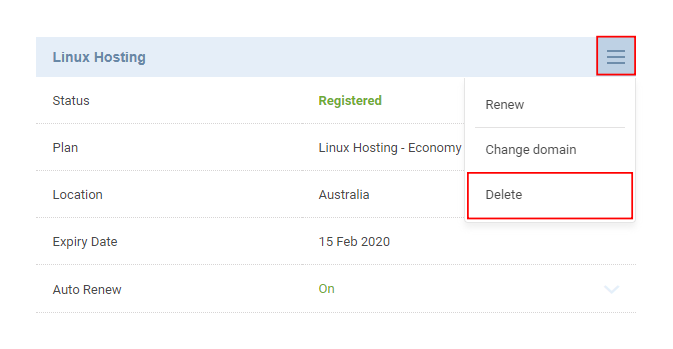
Credit: www.crazydomains.com
Transferring Domain To New Hosting
Begin with unlocking the domain. This is essential for transfer. Then, obtain the authorization code from your current provider. This code is necessary. After that, choose a new host. Make sure it fits your needs. Next, provide the authorization code to the new host. They will handle the transfer. This process may take a few days. Be patient. Finally, confirm the transfer through email. This step is crucial. Now, your domain is with the new host.
Check the reliability of the new host. A good host has 24/7 support. Look for easy-to-use control panels. This helps manage your site better. Pricing is important too. Choose a host with affordable plans. Check for extra features like email accounts and backups. These can be helpful. Read reviews about the host. Other users’ experiences matter. Ensure the host offers enough storage and bandwidth. This keeps your site running smoothly.
Common Misconceptions
Many think canceling hosting means losing their domain. This is not true. Hosting and domain are separate services. Canceling hosting only affects website files and storage. Your domain remains safe. You still own it. Keep renewing it to maintain ownership. Hosting is like renting space for your site. Domain is like owning your site’s name. Canceling hosting doesn’t change domain ownership.
Domains and hosting work independently. Domains are like addresses. Hosting is storage. You can switch hosting anytime. Domains stay yours. Cancel hosting if needed, but renew your domain. Domain independence is crucial. This lets you move sites easily. You can choose any hosting company without losing your domain. Remember, domain is your property. Hosting is just rental space.

Credit: www.hosted.com
Tips For Domain Management
Keep your domain even if you cancel hosting. Domains and hosting are different. Canceling hosting does not mean losing the domain. Keep your domain active by paying renewal fees. Always ensure payment is up-to-date. This keeps your domain safe.
Monitor domain expiration dates carefully. Set reminders to renew on time. Missing renewal can cause loss of domain. Use email alerts for reminders. Renew domains before they expire. This avoids extra fees. Stay ahead with automatic renewal options. This helps keep your domain safe and active.
Frequently Asked Questions
What Happens To My Domain If I Cancel Hosting?
Canceling hosting doesn’t affect your domain ownership. You can transfer it or point it to another host. Ensure your domain registration remains active.
Can A Domain Work Without Hosting?
A domain can exist without hosting, but it won’t display a website. Hosting is needed to store website files. Domains can be parked or used for email without hosting.
Can I Keep My Domain Name When I Change A Host?
Yes, you can keep your domain name when changing a host. Ensure your domain is registered separately from your hosting. Update the domain’s DNS settings to point to the new hosting provider. This process ensures your website remains accessible under the same domain name.
What Happens To My Website If I Don’t Renew My Domain Name?
Failing to renew your domain can lead to website downtime. Visitors won’t access your site, affecting traffic and reputation. The domain may be purchased by someone else, causing loss of ownership. Renewal ensures continuous online presence and prevents potential revenue loss.
Keep track of renewal dates to avoid disruptions.
Conclusion
Canceling web hosting doesn’t mean losing your domain. The domain remains yours. Just ensure it’s renewed on time. Switch to a new hosting provider if needed. Protect your domain ownership rights. Always keep track of renewal dates. Maintain control over your domain settings.
This keeps your online identity safe. Understand the difference between hosting and domain. Knowledge helps make informed decisions. Avoid unnecessary stress. Keep your online presence intact. Reliable management is key. Stay informed and proactive. Your domain is valuable. Treat it with care.
Plan ahead for smooth transitions.


