
Have you ever wondered where your blog content is stored in WordPress? Knowing where your files live can feel like a mystery wrapped in an enigma.
But understanding this can make managing your site so much easier. It’s not just about satisfying curiosity; it’s about empowering you to take control of your WordPress blog. By knowing which file folder stores your blogs, you can streamline backups, improve site performance, and troubleshoot issues more effectively.
This knowledge puts you in the driver’s seat, guiding your blog to success. So, are you ready to uncover the secrets of your WordPress file folders? Let’s dive in, and you’ll soon be managing your blog like a pro!
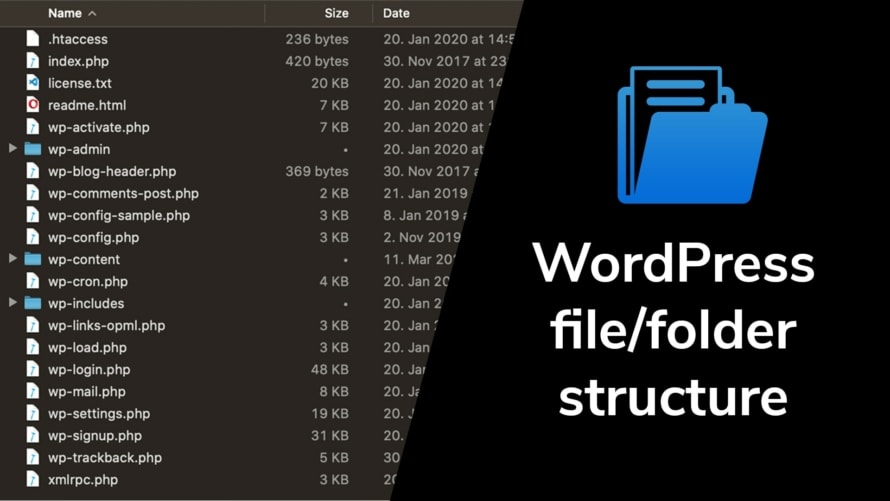
WordPress File Structure
WordPress runs on important files. These files make WordPress work. The core files include index.php and wp-config.php. These files control the site. They also help the site connect to the database. Never change these files. Changing them can break your site. Keep them safe and updated.
Themes make your site look nice. Each theme has its own files. These are stored in the wp-content/themes folder. You can change these files. This helps change how your site looks. Always back up before changes. This keeps your site safe.
Plugins add features to your site. They help your site do more. Plugin files are in the wp-content/plugins folder. You can add or remove plugins easily. This folder grows when you add plugins. Keep your plugins updated. This helps your site run smoothly.

Credit: www.bluehost.com
Default WordPress Folders
The wp-admin folder is very important. It is where you find the dashboard. This dashboard lets you control your site. You can change settings here. You can also add new posts. This folder is like your website’s command center. Always keep it safe.
Inside wp-includes, there are many files. These files help your site run. They make sure everything works correctly. You do not need to change these files. They are like a machine’s engine. Let them do their job.
The wp-content folder stores your themes and plugins. It also holds your media files. These files include pictures and videos. This folder is where your website’s look is stored. You can add new themes here. You can also install plugins to add features. Keep this folder organized.
Wp-content Folder
The wp-content folder is very important in WordPress. It holds all your themes, plugins, and uploaded files. Without this folder, your site won’t work well.
The Themes Directory keeps all your site designs. You can change how your site looks by choosing different themes. Themes make your site unique.
The Plugins Directory stores tools that add new features. Plugins can help with security, speed, and more. They make your site do special things.
All your pictures, videos, and files go in the Uploads Directory. This is where media files are stored. When you add a photo to a post, it stays here.
Database Role In Storing Blogs
WordPress keeps blog posts in a special table. This is called the Posts Table. Each post has its own row in the table. The table holds the title, content, and date of each post. It also stores the author name. This helps in identifying who wrote what.
Extra details about posts go in the Post Meta Table. These details are called metadata. Metadata can be anything extra about a post. Like, the color of a post or its special settings. This table helps customize how each post looks.
Categories and Tags Table sorts posts into groups. Categories help in organizing content in a larger way. Tags are like keywords for posts. They help find related posts easily. Both categories and tags make finding posts simple.
Locating Blog Content Files
Template files decide how your blog looks. WordPress uses PHP files for templates. These files are in the theme folder. Inside your WordPress, find the wp-content folder. This folder holds all theme files. The index.php file is very important. It shows the main blog page. Other files like header.php and footer.php are also in this folder. They manage the top and bottom of your site. Each part of your blog is controlled by a template file.
Media files are your images and videos. These files are stored in the uploads folder. You can find this folder in wp-content. Every month, WordPress makes a new folder for media. This helps you keep files organized. Media files help make your blog more interesting. They are easy to find and use. Just check the uploads folder for all your media needs. Make sure to keep media files small. This way, your blog loads fast.

Credit: hurrdatmarketing.com
Custom File Storage Solutions
WordPress lets you create custom post types. These types allow different content structures. Think of them as special boxes for your content. Each box has its own purpose. You can have boxes for books, recipes, or events. This way, your blog stays neat and tidy.
Custom fields store extra information about your posts. Imagine writing a book review. You can add a field for the author’s name. Or the book’s price. This makes your content more detailed. It’s like adding toppings to a pizza. More details mean more flavor. Your readers will enjoy the extra info.
Credit: devowl.io
Frequently Asked Questions
What Folder Stores WordPress Blog Posts?
WordPress blog posts are stored in the database, not in a file folder. The wp_posts table in your WordPress database holds all your blog content. It includes posts, pages, and custom post types. File folders store media uploads, themes, and plugins.
Where Are WordPress Blog Images Stored?
WordPress blog images are stored in the wp-content/uploads folder. This directory holds all media files, including images, videos, and audio. Each year and month has its own subfolder for organization. The database stores references to these files for easy access.
How Do I Access WordPress Blog Files?
You can access WordPress blog files via FTP or a hosting file manager. Connect to your website’s server using FTP credentials. Navigate to the wp-content folder to find themes, plugins, and uploads. Always back up files before making changes to avoid data loss.
Can I Move WordPress Blog Storage Location?
Changing the storage location involves complex configurations. Typically, WordPress uses its database and wp-content folder for storing data. Moving these requires database migration and file path adjustments. It’s recommended to consult with a developer or use migration plugins for a seamless transition.
Conclusion
Understanding where WordPress stores blog files helps manage your site. The wp-content folder is crucial for themes and plugins. Keep backups of important files. Regular updates ensure smooth performance. Check file permissions for security. Explore WordPress documentation for deeper insights.
Knowledge empowers effective site management. Start small, then expand your skills. Practice leads to confidence in handling WordPress. Your site’s success depends on careful management. Learning never stops with WordPress. Keep exploring, keep building.


