
Are you wondering what a domain host is and why it matters for your website? If you’ve ever thought about creating your own site, understanding domain hosting is one of the first steps you need to take.
It might sound confusing at first, but don’t worry—this article will break it down in simple terms. By the end, you’ll know exactly how a domain host works and why choosing the right one can make all the difference for your online success.
Keep reading to unlock the secret behind making your website live and easy to find.
What Is Domain Hosting
Domain hosting stores your website files on a server, making your site accessible online. It connects your domain name to the internet. This service keeps your website live 24/7 for visitors worldwide.
What Is Domain Hosting?
Domain hosting is a service that connects your website to the internet. It stores your website’s files on special computers called servers. These servers make your site available to visitors 24/7.
Without domain hosting, people cannot see your website online. It is a key part of having a website. The hosting provider manages the server and ensures your site runs smoothly.
How Does Domain Hosting Work?
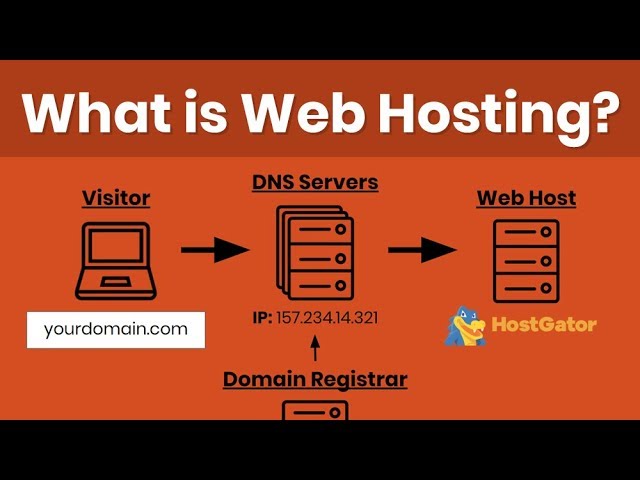
When someone types your website address, the browser asks the server for your site’s files. The server sends these files back to the browser.
This process happens quickly to show the website on the screen. Good hosting means fast loading and less downtime for your site.
Types Of Domain Hosting
There are different types of domain hosting services. Shared hosting means many websites share one server. It is affordable but can be slower.
VPS hosting offers more power by dividing a server into parts. Dedicated hosting gives one server only to your website. It is faster but costs more.
Why Domain Hosting Matters
Domain hosting affects your website’s speed and availability. Slow or unreliable hosting can lose visitors. Good hosting helps your site load fast and stay online.
It also impacts your website’s security. Reliable hosts provide protection against hackers and data loss.
Types Of Domain Hosts
Choosing the right domain host is important for your website’s performance. Different types of domain hosts offer various features and prices. Understanding these types helps you pick the best one for your needs.
Each hosting type serves different website sizes and traffic levels. Some are good for small blogs, others for big businesses. Here are the main types of domain hosts you should know about.
Shared Hosting
Shared hosting means many websites share one server. It is the cheapest option. Good for beginners and small sites. Resources like memory and bandwidth are shared. It may slow down if many sites get traffic.
Vps Hosting
VPS stands for Virtual Private Server. It splits a physical server into virtual parts. Each site gets dedicated resources. It offers more speed and control than shared hosting. Suitable for growing websites with medium traffic.
Dedicated Hosting
Dedicated hosting gives you a whole server alone. No sharing with other sites. You get full control and high performance. Best for large businesses or sites with high traffic. It costs more but offers the most power.
Cloud Hosting
Cloud hosting uses many servers working together. Your site can use resources from all these servers. It is flexible and scales easily with traffic changes. Good for sites that need high availability and quick load times.
Key Features To Consider
Choosing the right domain host is important for your website’s success. Several key features affect your website’s performance and security. Understanding these features helps you pick the best host for your needs.
Uptime And Reliability
Uptime means how often your website stays online. High uptime means fewer interruptions. Look for hosts with at least 99.9% uptime. Reliable hosting keeps your site available to visitors all the time.
Speed And Performance
Fast loading times improve user experience and search rankings. Hosting providers with solid servers deliver quick page loads. Check for technologies like SSD storage and content delivery networks. These help your site run smoothly and quickly.
Customer Support
Good support solves problems fast. Choose a host with 24/7 customer service. Multiple contact options like chat, phone, and email are helpful. Friendly and knowledgeable support saves you time and stress.
Security Measures
Security protects your website from attacks. Look for SSL certificates, firewalls, and malware scanning. Regular backups keep your data safe. Strong security helps build trust with your visitors.
Pricing And Renewal Fees
Compare prices carefully. Some hosts offer low initial costs but high renewal fees. Check all fees before buying. Choose a host that fits your budget without hidden charges.
Popular Domain Hosting Providers
Choosing a domain hosting provider is a key step in building your website. The right provider keeps your site online and fast. Many popular providers offer reliable services with different features and prices.
Here are three well-known domain hosting providers. Each has unique benefits for your website needs.
Provider A Overview
Provider A offers easy domain registration and strong uptime. They provide simple tools for beginners. Their customer support is available 24/7. Pricing is clear and affordable for small websites.
Provider B Overview
Provider B focuses on fast loading speeds. They use advanced servers to keep websites responsive. Their security features include free SSL certificates. The control panel is user-friendly for managing domains.
Provider C Overview
Provider C stands out with flexible plans for all sizes. They support many domain extensions to choose from. Their website builder helps create pages without coding. Support teams guide users through setup and maintenance.
How To Choose The Right Host
Choosing the right domain host is crucial for your website’s success. The host affects your site’s speed, security, and uptime. Picking a poor host can cause many problems. This guide helps you find a host that fits your needs and budget.
Assess Your Website Needs
Start by knowing what your website needs. Think about the site size and traffic you expect. Will you run a blog, an online store, or a portfolio? Each type needs different hosting features. Also, check if you need extra tools like email or backups.
Compare Features And Plans
Look at hosting plans carefully. Focus on storage space, bandwidth, and security options. Some hosts offer free SSL certificates and daily backups. See if the plan supports your website’s growth. Choose a plan that balances price and features well.
Read Customer Reviews
Customer reviews show real user experiences. They reveal strengths and weaknesses of a host. Pay attention to uptime, speed, and support feedback. Avoid hosts with many complaints about downtime or slow service. Reviews help you avoid costly mistakes.
Test Customer Service
Good support is key for any hosting service. Test their customer service before buying. Send questions about their plans or features. Notice how fast and clear their replies are. Reliable support saves time and stress during issues.

Credit: dorik.com
Migrating To A New Domain Host
Migrating to a new domain host can seem difficult. It requires careful planning and clear steps. Moving your website and data to another host needs attention. A smooth migration keeps your site live and safe. This guide helps you move with less stress and no downtime.
Preparing For Migration
Start by backing up all website files and databases. Check the new host’s features and compatibility. Make a list of domain settings and DNS records. Inform your team or users about possible downtime. Test your current website speed and performance to compare later.
Step-by-step Migration Process
Begin by transferring your website files to the new host. Upload backups and restore databases carefully. Update domain name system (DNS) settings to point to the new server. Allow time for DNS changes to spread worldwide. Test your website on the new host before switching fully.
Post-migration Checklist
Check that all site pages and functions work correctly. Verify email accounts and services linked to your domain. Monitor site speed and security settings on the new host. Remove old backups stored on the previous host. Keep track of any issues and fix them quickly.
Tips For Managing Your Domain Host
Managing your domain host well keeps your website safe and running smoothly. Simple steps can save you from big problems later. Pay attention to backups, performance, and updates.
Regular Backups
Backups protect your website data from loss. Create copies of your site files often. Store backups in a safe place outside your host. This helps restore your site quickly after issues.
Monitoring Performance
Check your website speed and uptime regularly. Slow or offline sites lose visitors and trust. Use tools to watch your site’s health daily. Fix problems fast to keep users happy.
Keeping Software Updated
Update your website software and plugins on time. Old software can cause security risks and bugs. Updates improve features and protect your site. Schedule updates to avoid conflicts or downtime.
Credit: www.youtube.com
Credit: momentum3growth.com
Frequently Asked Questions
What Is A Domain Host?
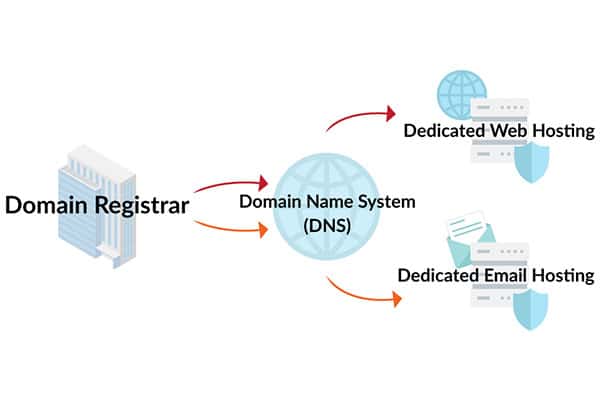
A domain host stores your website’s files and makes your site accessible online. It connects your domain name to a server.
How Does Domain Hosting Work?
Domain hosting links your website domain to a server where all your site data is stored and served to visitors.
Why Is Choosing A Good Domain Host Important?
A reliable domain host ensures your website loads fast, stays secure, and remains online without interruptions or downtime.
Can I Transfer My Domain Host Easily?
Yes, you can transfer your domain host by unlocking your domain and obtaining an authorization code from your current provider.
Conclusion
Choosing the right domain host makes your website faster and safer. It helps your site stay online without interruptions. Good hosting also supports your site as it grows. A reliable host keeps your visitors happy and returning. Think about your needs and budget before deciding.
A smart choice now saves trouble later. Keep your website strong with the right domain host.


