
Have you ever wondered what keeps your favorite websites running smoothly around the clock? The answer lies in web hosting servers.
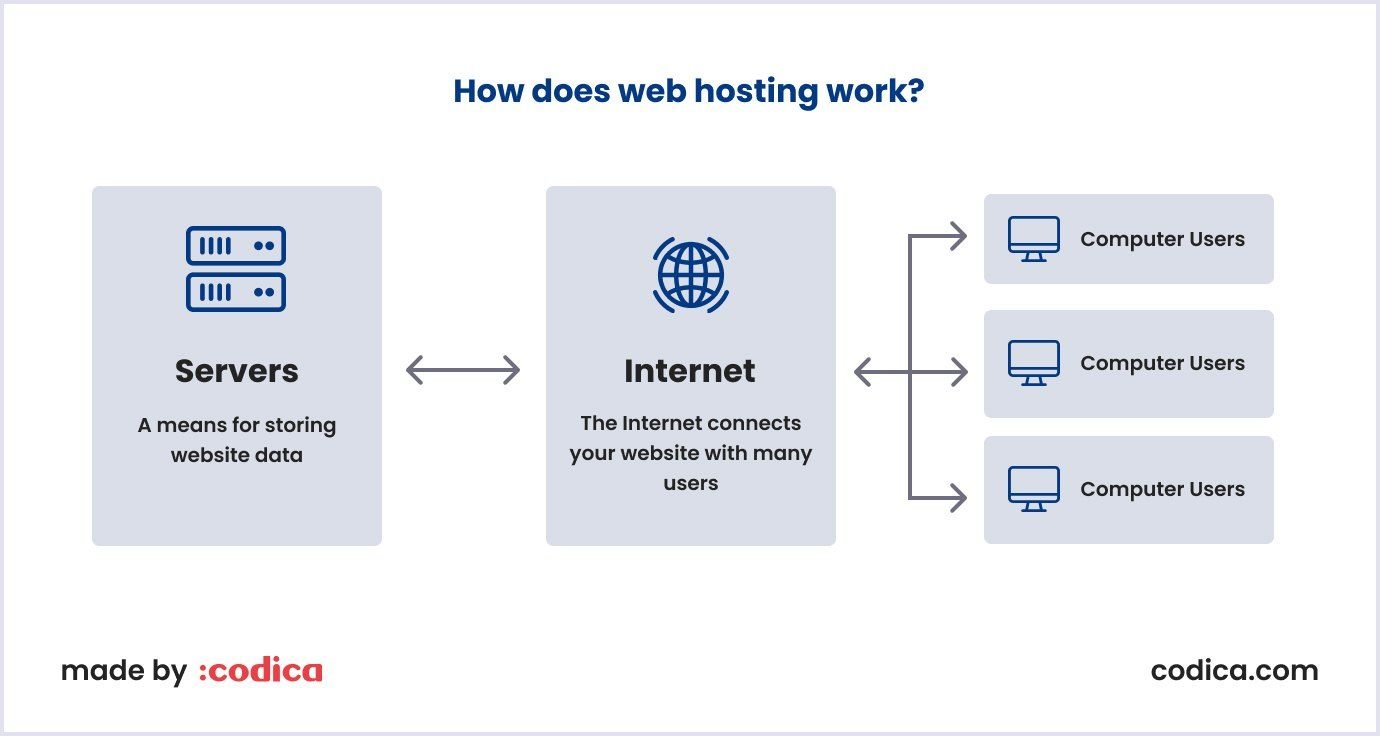
Understanding web hosting servers is crucial if you want your website to perform optimally and reach its audience effectively. Imagine your website as a book; the web hosting server is the library where your book is stored, ready to be accessed by eager readers anytime.
This concept is essential for anyone looking to establish a strong online presence. By grasping what web hosting servers mean, you’ll unlock the secrets to ensuring your site runs efficiently, loads quickly, and remains accessible to users worldwide. Dive in to discover how web hosting servers work and why they are the backbone of every successful website.
Credit: www.codica.com
Types Of Web Hosting
Shared Hosting is the most basic type. Many websites use one server. This makes it cheap. Many beginners start here. But, it can be slow. Websites share resources. If one site uses too much, others slow down. Good for small sites. Not for big websites.
VPS Hosting means Virtual Private Server. It’s like renting a part of a big server. More power than shared hosting. Websites do not affect each other. Good for growing sites. Costs more than shared hosting. Offers more control.
Dedicated Hosting is top level. You get the whole server. No sharing with others. Offers full control and high speed. Best for big websites. But it costs a lot. Needs technical skills to manage.
Cloud Hosting uses many servers. Your website is on several servers. If one server fails, others help. This makes it very reliable. Pay only for what you use. Good for growing sites. Can handle lots of visitors. Flexible and scalable.
Key Features Of Web Hosting Servers
Disk space is the storage for your website files. Bigger websites need more space. Small websites need less. Always check how much space you get. It’s important for growth.
Bandwidth is the data your site uses. More visitors need more bandwidth. Limited bandwidth can slow your site. Ensure you have enough for your needs.
Uptime is when your site is online. Higher uptime means fewer problems. Choose hosts with at least 99.9% uptime. It keeps your site accessible.
Security keeps your site safe. Look for SSL certificates and firewalls. They protect from hackers. Good security is crucial for trust.
How Web Hosting Works
A web hosting server is like a big computer. It stores websites for people to visit. The server must be configured properly. This ensures it runs smoothly. Different settings are needed for different websites. The settings depend on the website’s needs. Fast servers make websites load quickly. Slow servers make websites load slowly. Proper configuration helps avoid problems.
The Domain Name System (DNS) helps people find websites. It’s like a phone book for the internet. Each website has a unique address. This is called an IP address. DNS matches the website name to its IP address. This makes it easy to visit websites. Without DNS, finding websites would be hard.
Websites need space to store their data. This data includes texts, images, and videos. Web hosting servers provide this storage space. They also help in transferring data. Transfer happens when someone visits a website. The server sends the website data to the visitor’s computer. Fast data transfer is important. It makes websites work well. Slow transfer can cause delays.
Choosing The Right Hosting Provider
Understanding your website’s needs is important. Web hosting comes in many forms. You might need shared hosting for a small blog. A business might need dedicated hosting. Think about your website’s size and traffic. Small websites have different needs than large ones. Security and speed are also important. Make a list of what you need. This helps in choosing a provider.
Many companies offer web hosting services. Compare their features and prices. Some offer unlimited storage. Others may have better support. Check reviews and ratings online. Look for hidden fees. Compare the uptime guarantees. A good provider will have high uptime. Choose the one that fits your budget and needs.
Good customer support is essential. Problems can occur anytime. Some providers offer 24/7 support. Others have limited hours. Check if they offer live chat or phone support. Email support might take longer. Read reviews about their support team. Are they friendly and helpful? This can save you time and stress.
Benefits Of Reliable Web Hosting
Websites load fast with reliable hosting. Quick loading keeps visitors happy. Fast sites have better user experience. Slow sites lose visitors. Reliable hosting makes your site faster.
Security is crucial for websites. Reliable hosting provides strong security measures. It protects data from hackers. Safe hosting keeps your site secure. It reduces the risk of data loss.
Websites grow over time. Scalable hosting helps manage growth. It allows adding more resources easily. Hosting can adapt to your needs. Flexible hosting supports site expansion.

Credit: jams.pub
Common Web Hosting Challenges
Websites can go offline sometimes. This is called downtime. It happens when servers fail. Visitors cannot see your website. This can upset them. Businesses lose money during downtime. Keeping websites online is very important.
Websites face many security threats. Hackers can attack sites. They steal data and cause harm. Viruses can also infect websites. Keeping data safe is a big job. Websites need strong security measures. This helps protect users and their data.
Sometimes, websites have technical problems. Owners need help to fix them. Good technical support is important. Some services are slow to respond. This can cause delays. Quick help makes sure websites run smoothly.

Credit: www.bluehost.com
Frequently Asked Questions
Can I Run My Website Without Hosting?
Running a website without hosting is not possible. Hosting provides the necessary server space. You need hosting to store files and make your website accessible online. Consider using web hosting services to ensure your site runs smoothly and efficiently.
What Is An Example Of A Hosting Server?
An example of a hosting server is Bluehost. It offers shared, VPS, and dedicated hosting solutions for websites. Known for reliability and excellent customer support, Bluehost is popular among beginners and professionals. It provides features like free domain registration, SSL certificates, and easy WordPress integration.
What Are The 3 Types Of Web Hosting?
The three types of web hosting are shared hosting, VPS (Virtual Private Server) hosting, and dedicated hosting. Shared hosting is cost-effective, ideal for beginners. VPS hosting provides more control and resources. Dedicated hosting offers maximum performance for high-traffic websites. Choose based on your website’s needs and budget.
Do I Need Web Hosting For My Domain?
Yes, web hosting is necessary to make your domain accessible online. It stores website files and serves them to users. Without hosting, your domain remains inactive and cannot display any content. Choose a reliable hosting service for optimal performance and security.
Conclusion
Understanding web hosting servers is crucial for website success. They store your site’s data and deliver it to users. Choosing the right server impacts speed and reliability. Consider your website’s needs carefully. Shared, VPS, and dedicated servers offer different benefits.
Costs vary, so budget wisely. Reliable hosting improves user experience and SEO rankings. Remember, a stable server is essential for online growth. Keep learning about hosting options. Make informed decisions for your website’s future. Happy hosting!


