
Have you ever wondered what a web hosting provider really is and why it’s crucial for your online presence? Whether you’re starting a blog, launching an e-commerce site, or just curious about the digital world, understanding web hosting is key.
Imagine your website as a home on the internet. Just like a physical house needs land to sit on, your website needs space on the web. That’s where a web hosting provider comes in. They offer the space and resources for your site to live online.
But what does that mean for you? Choosing the right web hosting provider can impact your site’s speed, security, and reliability. It can even affect how well your site ranks on search engines. We’ll break down everything you need to know about web hosting providers. You’ll learn how they work, why they matter, and how to choose the best one for your needs. Stick around to make sure your website doesn’t just exist online, but thrives.
Web Hosting Basics
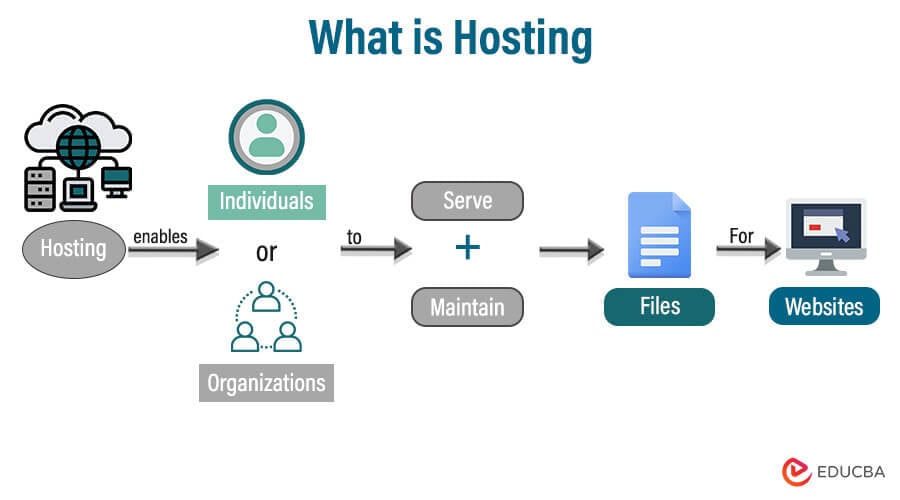
A web hosting provider is like a home for websites. It stores all the files needed for your site. These files include images, text, and code. Hosting providers have special computers called servers. These servers make your website visible on the internet.
There are different types of hosting. Shared hosting is like sharing a room with others. Dedicated hosting is like having your own house. Choose the type that fits your needs. Some hosting providers also offer extra services. These include email accounts and security features.
Types Of Web Hosting
Websites share the same server in shared hosting. This means many websites are on one machine. It’s good for small sites. Costs are usually low. Resources are shared among users. Speed can be slower at busy times.
In dedicated hosting, one server serves one client. This is best for big websites. It offers more control. Costs are higher than shared hosting. Performance is often better. Security is also improved.
VPS hosting divides a server into virtual parts. Each part acts like its own server. This offers more flexibility. It’s cheaper than dedicated hosting. Users get more control than shared hosting. Performance is usually stable.
Cloud hosting uses many servers to host sites. This offers great flexibility. If one server fails, others keep the site running. Costs depend on usage. It’s good for growing businesses. Resources can be scaled easily.
Choosing A Provider
Think about what your website needs. Some sites need more storage. Others need fast loading speeds. Do you want a blog or a store? Know your needs first.
Check what the provider offers. Look for security features. See if they offer backup options. Are there email services? Support is important too. Make sure they have customer service.
Look at the cost. Compare prices with others. Is it a monthly or yearly fee? Some have hidden costs. Read the fine print. Choose what’s best for your budget.

Credit: www.layerhost.com
Key Features To Look For
Uptime is how often your website is live. A good web host should promise at least 99.9% uptime. This means your site is almost always up. Reliability means your site works well. It won’t crash or have errors often. Choose a host that keeps your site running smoothly.
Customer Support helps when things go wrong. Look for a host with 24/7 support. You want help anytime. Support should be friendly and quick. They should solve problems fast. Good support makes your life easier.
Security keeps your website safe. Look for hosts with firewalls and SSL certificates. These tools protect from hackers. They keep your data safe. Choose a host that cares about safety. Security is very important.
Impact On Website Performance
A web hosting provider is crucial for your website’s speed. Good hosting makes your site load fast. Slow hosting can make visitors leave. Website performance affects how people see your site. Fast sites keep visitors happy. Slow sites can frustrate them. Hosting affects uptime too. Uptime is how often your site is live. Good hosting keeps your site up more often. Bad hosting can cause downtime. Downtime is when your site is not available. Choose a hosting provider wisely. It matters a lot.
Migration And Setup
Web hosting providers offer digital space for websites on the internet. They manage servers and ensure your site stays online. Migration and setup involve moving your website and configuring it with your chosen hosting provider.
Transferring Existing Websites
Moving a website to a new host is easy. First, you need to backup your files. This ensures you won’t lose any data. Next, you should export your database. This is important for websites with lots of information. After this, you can upload the files to your new host. Make sure everything is in the right place. Finally, test your website. Check all pages to see if they work.
Initial Setup Steps
Setting up a new website is fun. Start by choosing a domain name. This is your website’s address. Then, pick a hosting plan. Some are cheap, others offer more features. Next, install a website builder. Many hosts offer easy tools for this. After that, choose a design. Make sure it looks good and is easy to use. Finally, add content to your site. Write about things your visitors will like.
Common Challenges
Understanding web hosting providers can be tricky. They store websites on servers, making them accessible online. Choosing the right provider involves considering uptime, support, and pricing.
Technical Glitches
Web hosting can have technical glitches. Sometimes, the server goes down. This means your website won’t open. It can be frustrating for users. Slow loading times also bother visitors. They might leave your site quickly. Security issues are another concern. Hackers can attack your website. Protect your data with strong passwords. Always update your software. These problems need quick fixes.
Scalability Issues
As websites grow, they need more space. Scalability issues happen when resources are limited. A small hosting plan might not handle the traffic. Your site could crash. It’s important to choose the right plan. More visitors need more bandwidth. This ensures smooth operation. Upgrading plans may help. Plan for future growth. This keeps your website running well.

Credit: rackset.com
Future Trends In Web Hosting
Web hosting providers supply the technology and services needed for websites to be viewed online. Trends include cloud hosting and green hosting, offering more eco-friendly and flexible options. These developments shape how businesses manage their online presence, ensuring reliability and sustainability.
Green Hosting
Green hosting is about using eco-friendly servers. Energy-efficient technologies help save power. Renewable energy sources are used in green hosting. This helps reduce carbon footprints. Web hosts choose solar and wind power. This makes hosting environmentally friendly. Green hosting attracts eco-conscious customers. It is not only good for the planet. It also helps build a positive brand image.
Ai And Automation
AI makes web hosting smarter. Automation simplifies server management. It reduces the need for human work. AI tools can predict server issues. This helps prevent downtime. Automation handles routine tasks. This includes backups and updates. AI improves speed and efficiency. Hosts use AI for better security. It detects threats quickly. This keeps websites safe.
Credit: www.educba.com
Frequently Asked Questions
What Is A Web Hosting Provider?
A web hosting provider offers services to host websites on the internet. They store website files on servers, ensuring accessibility online. Their services include domain registration, website maintenance, and customer support. Choosing a reliable provider is essential for website performance and security.
What Is Web Hosting And An Example?
Web hosting provides space on a server for websites to store files and data. An example is Bluehost, offering reliable hosting services.
Is Godaddy An Hosting Provider?
Yes, GoDaddy is a hosting provider. They offer various hosting services, including shared, VPS, and dedicated hosting. Their services are designed to support websites of all sizes and types. GoDaddy also provides domain registration, SSL certificates, and website builder tools.
What Is Web Hosting And Why Do I Need It?
Web hosting provides space on a server to store your website files. It enables your site to be accessible online. A reliable hosting service ensures your website loads quickly and remains secure. Without hosting, your website won’t be visible on the internet, hindering its reach and effectiveness.
Conclusion
Understanding web hosting providers is crucial for your online presence. They store your website files. They make your site accessible on the internet. Choosing the right provider is important. It impacts your site’s speed and security. Consider your needs. Research different providers.
Check their features and customer support. Reliable hosting ensures smooth website operation. This helps in attracting and retaining visitors. Take your time to decide. A good choice supports your online goals. So, evaluate options carefully. Your website’s success depends on it.


