
Have you ever wondered what keeps websites up and running smoothly on the internet? If you’ve searched for information online, browsed e-commerce stores, or kept up with your favorite blogs, you’ve benefited from web hosting.
But what does the web hosting business really mean for you, and why should you care? Imagine having a powerful engine running behind the scenes, ensuring your favorite sites are always accessible. This is precisely the role of web hosting services.
By understanding what web hosting is, you can unlock the secrets of the digital world and even explore exciting opportunities for yourself. Whether you’re looking to start your own website or dive into the booming industry of web hosting, knowing the basics can be your first step towards success. Let’s delve into the world of web hosting and discover what it can mean for you.
Web Hosting Basics
Web hosting is like renting space online. Websites need a home on the internet. This home is a server. A server stores all website files. Without hosting, a website can’t be seen. Hosting companies provide this service. They ensure websites are always online. They also help keep websites safe. The right hosting is important for success.
There are different types of web hosting. Shared hosting is one type. Many websites share one server. It is usually the cheapest option. Another type is VPS hosting. It offers more space and control. Dedicated hosting is also available. One server is for one website only. It is more expensive. Cloud hosting is new and flexible. It uses many servers. Each type has its own benefits.
How Web Hosting Works
Web hosting is like renting space on the internet. Websites need a place to live. Servers provide this space. They store the website’s files. Every website you see online is stored on a server. Servers run 24/7 to keep websites online. They are powerful computers. These computers handle many visitors at once. Without servers, websites can’t exist online.
Servers are the backbone of web hosting. They keep sites running smoothly. Servers ensure websites load fast. They manage data traffic. If too many users visit a site, servers handle the load. They prevent crashes and keep sites accessible. Good servers mean happy visitors. They make sure your website is always available.
Domains are like street addresses for websites. They help users find your site. Hosting is the home where your website lives. Both are needed for a website to work. Without hosting, a domain is just a name. Together, they bring your website to life. Hosting lets you share your site with the world. They are partners in making your site visible.
Popular Web Hosting Platforms
Shared hosting is like sharing a room with friends. Multiple websites use the same server. This helps save money. It’s best for small sites. Bluehost is a popular choice. HostGator is another option. Both offer good services. They are easy to use.
Dedicated hosting means one server for one website. It gives more control. Liquid Web offers dedicated hosting. InMotion is another provider. These services are for big sites. They cost more than shared hosting. You get better performance.
Cloud hosting uses many servers. It helps if one server fails. Amazon Web Services offers cloud hosting. Google Cloud is another option. It’s flexible. It can handle high traffic. It’s good for growing websites.

Credit: www.wix.com
Choosing The Right Hosting Service
First, list your website needs. Do you need a lot of storage? Or, is security more important? Think about your traffic. Will many people visit your site? These questions help you pick the right host.
Look at different hosting features. Check speed, uptime, and support. Some hosts offer free backups. Others may give SSL certificates. Compare each one. Choose what fits your site best.
Think about your budget. Hosting can cost a lot. Some are cheap but offer less. Others are pricey but have more features. Decide how much you want to spend. Balance cost and needs for the best choice.
Benefits Of Professional Web Hosting
A fast website keeps visitors happy. They stay longer and explore more. Professional hosting offers better speed. It means quick loading times. This keeps users engaged. No one likes to wait for a page to load. Good hosting makes sure your site is always available.
Keeping your site safe is important. Professional hosting provides strong security. It protects against threats. It keeps your data safe and secure. With proper security, you can relax. Your information stays private.
Problems can happen anytime. Having 24/7 technical support is helpful. Experts can fix issues quickly. You don’t need to worry. They assist with any problem. Good support means less downtime. Your site stays online and active.
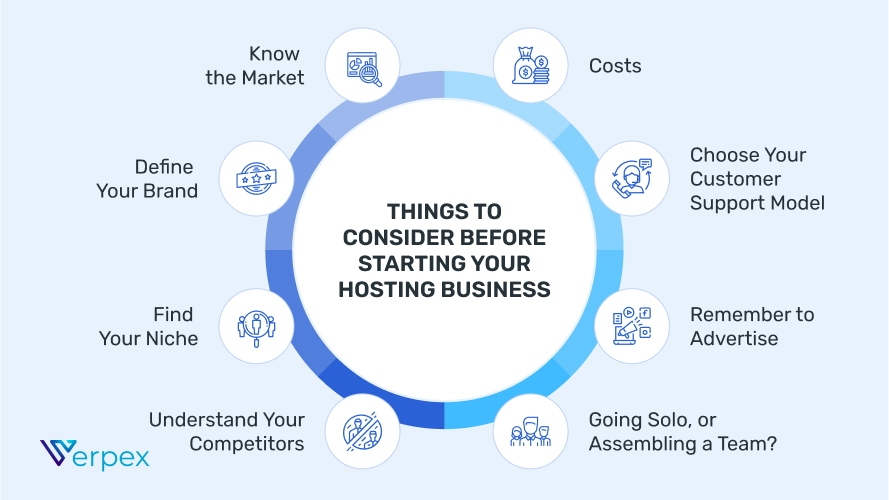
Credit: verpex.com
Challenges In Web Hosting
Web hosting can face downtime problems. This means a website may not work. Businesses lose money if sites are down. Customers get frustrated too. Ensuring websites stay online is crucial. Hosting companies must fix these issues quickly.
Websites may start small. Over time, they need to grow. This is called scalability. Hosting plans should support this growth. If not, websites can slow down. This affects user experience. Choosing the right plan is important.
Data privacy is very important. Websites store user information. This data must be safe. Hackers may try to steal it. Hosting services need strong security measures. Keeping data private builds user trust.
Future Trends In Web Hosting
Web hosting is moving towards being more eco-friendly. Many companies are using renewable energy. Solar and wind power are popular choices. This helps reduce the carbon footprint. Hosting firms now plant trees to offset carbon. They aim to make the planet cleaner. It’s a step towards a sustainable future.
Technology in hosting is changing fast. Cloud hosting is more common now. It offers more storage and speed. Users get better performance. SSD servers are also popular. They offer faster data access. This makes websites load quickly.
AI is making hosting smarter. It helps in predicting server loads. AI can also improve security. It detects and stops threats quickly. AI tools fix problems faster. This means less downtime for websites.

Credit: www.interserver.net
Frequently Asked Questions
What Does Web Hosting Mean In A Business?
Web hosting provides businesses with online space to store their website files. It ensures website accessibility and performance. Reliable hosting boosts customer trust and improves search engine rankings. Businesses can choose from shared, VPS, or dedicated hosting based on their needs.
Quality web hosting supports growth and enhances user experience.
What Is Web Hosting With An Example?
Web hosting provides storage and access for websites on the internet. For example, Bluehost hosts your website files on its servers, allowing users to view your site online.
What Are The 3 Types Of Web Hosting?
The three types of web hosting are shared hosting, VPS hosting, and dedicated hosting. Shared hosting is cost-effective, sharing server resources among multiple users. VPS hosting offers more control and resources by partitioning a server. Dedicated hosting provides exclusive use of a server for maximum performance and security.
How Much Do I Pay To Host A Website?
Hosting costs vary based on provider, plan, and features. Prices typically range from $3 to $300 monthly. Shared hosting is cheaper, while dedicated servers and VPS cost more. Choose a plan that suits your website’s needs and budget. Always compare hosting providers for the best deal.
Conclusion
Understanding the web hosting business is crucial today. It powers the internet. Businesses need reliable hosting to succeed online. Choosing the right provider impacts website performance. This can affect user experience and search rankings. Web hosting also offers opportunities for entrepreneurs.
Starting a hosting business can be profitable. It requires knowledge and strategy. As the digital world grows, web hosting remains vital. Stay informed and choose wisely. It makes a difference in online success. So, whether a business owner or aspiring host, grasp the essentials.
It benefits your digital journey.


