
Have you ever felt the anxiety of launching a new website, fearing what might go wrong once it’s live? You’re not alone.
This is where the concept of “staging” in web hosting becomes your best ally. Imagine having a safe playground where you can test every change, tweak every feature, and ensure everything works perfectly before showing it to the world. Staging is like your secret rehearsal space, allowing you to iron out any wrinkles without the risk of disrupting your live website.
By the end of this article, you’ll understand how staging can save you time, prevent costly errors, and give you peace of mind. Ready to discover how this powerful tool can transform your web hosting experience? Let’s dive in!
Staging Environment Basics
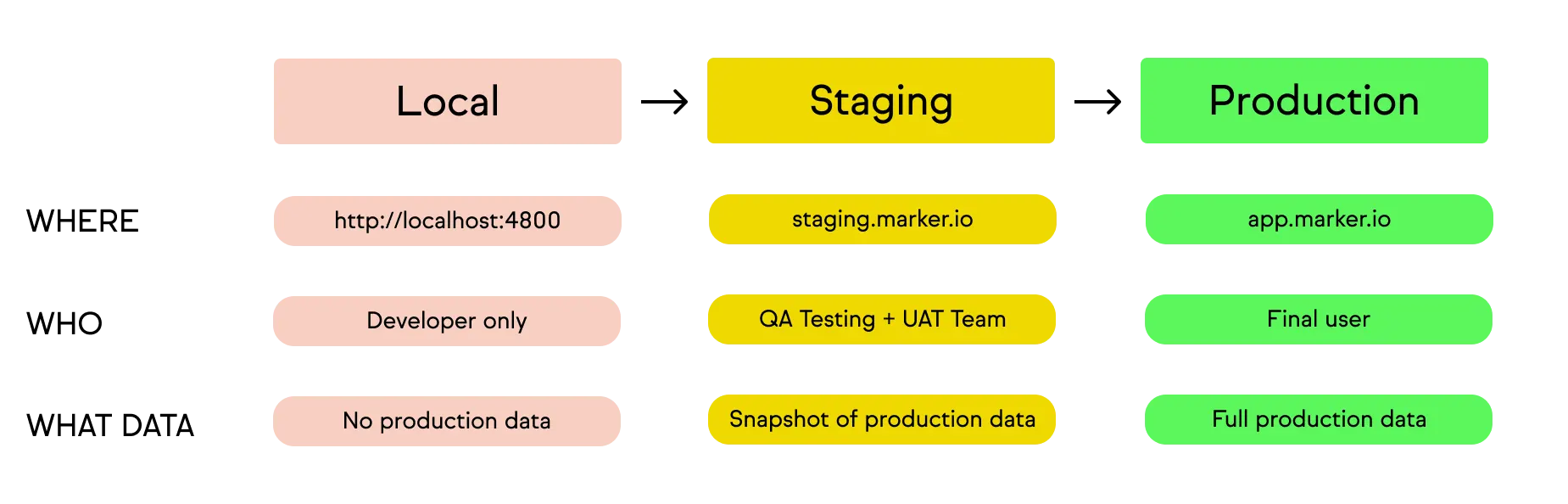
A staging environment is like a practice area. Developers use it to test changes. It’s important because it prevents mistakes on the live website. The live website is what everyone sees. The staging area is private. Only people working on the website can see it. This helps to find errors early. Fixing errors is easier before going live. Websites run smoothly when tested first. Using staging is a smart move. It keeps websites safe and professional. Every big website uses it. It’s a key part of web hosting.
Credit: marker.io
Purpose Of Staging
Staging helps test changes before they go live. It creates a safe space for updates. Mistakes can happen. Staging catches them early. This prevents errors on your main site. Developers use it to experiment. They try new things without worry. Changes won’t affect the main site.
Staging is like a practice area. Developers see how changes work. It is important for big changes. Testing is done on a staging site first. It keeps the main site safe. It avoids unexpected problems. Staging ensures everything works well. It’s a smart step in web hosting.
Differences Between Staging And Production
Staging and production are two separate spaces in web hosting. Staging is a safe place to test changes. Production is the live site where users visit. Staging helps find errors before users see them. It is a mirror of the real site. Changes in staging don’t affect the live site. This is why it is important. Production is what everyone sees online. It must be stable and error-free. Staging lets developers try new ideas safely.
Staging sites help prevent big mistakes. They are used to test updates. Developers use staging to check how changes look. They make sure everything works well. This helps keep the live site running smoothly. Staging is a place to fix problems before they go live. It is crucial for site safety and quality.
Credit: wpengine.com
Benefits Of Using Staging
Staging helps to reduce risks. Test changes before they go live. Mistakes on a staging site don’t hurt the real site. It keeps the main site safe. This prevents bad user experiences. Websites stay reliable and trustworthy.
With staging, testing becomes more effective. Developers can check new features. They find bugs and fix them quickly. This ensures everything works well. Quality is improved before launching. Users enjoy better functionality.
Staging sites help teams work together. Everyone sees the same version. Designers, developers, and testers can share ideas. They solve problems together. Communication improves with a shared platform. This leads to a better final product.
How Staging Works
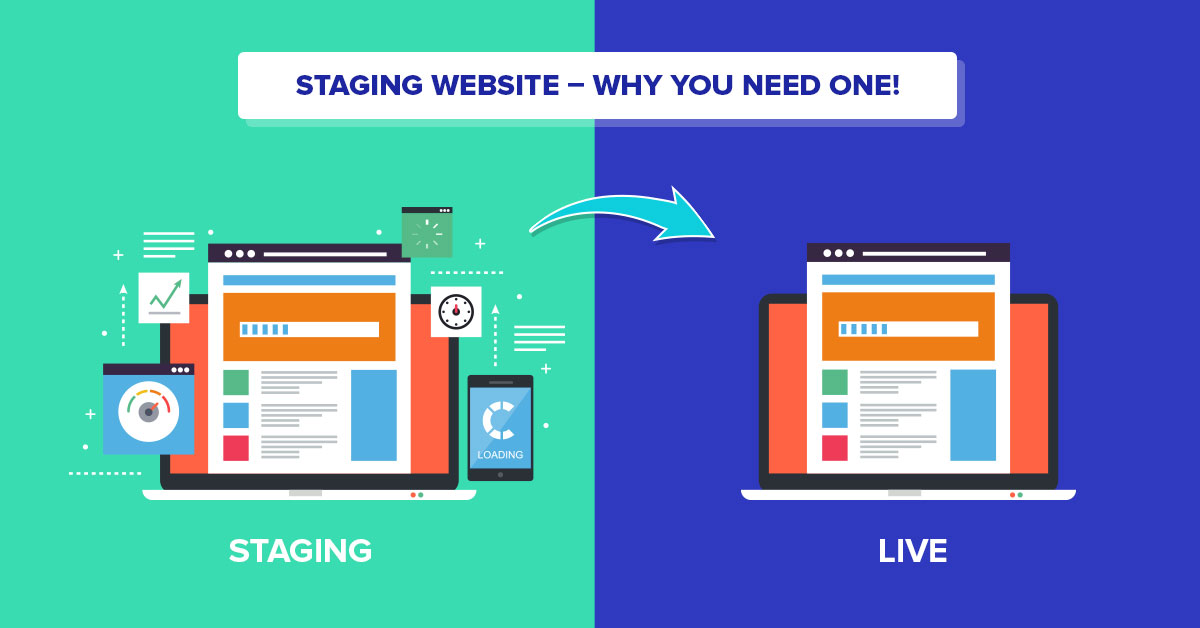
A staging site is a copy of your live website. It helps you test changes safely. You can try new designs and plugins. The live site stays safe. No one sees the changes until you are ready.
Once tests are complete, changes move to the live site. This is called deployment. It must be smooth. Your visitors should not notice anything. Everything should work well after deployment.
Testing is very important. You find and fix errors on the staging site. Get feedback from others too. They can spot things you missed. Make sure everything works perfectly before going live.
Common Staging Challenges
Keeping data the same on both live and staging sites is hard. Changes on the live site need updates on the staging site. This keeps everything up to date. Without proper data synchronization, there can be problems. Mismatched data can cause errors. It can also lead to confusion. A good system is needed to keep them in sync.
Staging and live environments should match. Sometimes they do not. This can cause issues. Bugs may appear on one and not the other. Developers need to ensure both environments are the same. Using the same server settings helps. Consistency is key.
Staging sites need resources. These include memory, storage, and CPU. Balancing them is crucial. Too many resources on staging can slow the live site. Too few can make staging unreliable. Proper resource management ensures smooth operation. It’s important to monitor usage regularly.
Best Practices For Staging
Regular updates keep staging sites fresh and secure. Updates fix bugs and add new features. They also protect against threats. Skipping updates can cause problems later. It’s like leaving a door unlocked. Always schedule updates. Make them part of your routine.
Testing finds errors before they reach users. Thorough testing checks everything. It includes all features and functions. Testing saves time and stops headaches. Always test in a real-world setting. Use the same tools and conditions as the live site. This shows how changes will work for users.
Clear communication helps teams work together. Share all changes and updates. Everyone should know what’s happening. Use tools like emails or chat. This ensures no one misses important news. Good communication prevents mistakes. It also helps solve problems faster.
Tools And Services For Staging
Many platforms help with staging. WordPress is a popular choice. Wix and Squarespace also offer staging. These platforms make testing changes easy. They offer user-friendly interfaces. This makes them great for beginners.
Important features include easy setup and version control. Backup options are crucial. One-click staging saves time. Look for platforms with automatic updates. This keeps your site safe and current. A good staging tool should be reliable and efficient.
Costs vary with different tools. Some are free but limited. Paid options offer more features. Consider your budget. Weigh the cost against the features offered. Sometimes, a small cost ensures better service. Remember, good staging saves time and effort.
Credit: www.cloudways.com
Frequently Asked Questions
What Is Staging In Hosting?
Staging in hosting allows testing website changes in a safe environment. It prevents issues on the live site. This setup mimics the live server, ensuring updates work smoothly before deployment. Staging enhances development efficiency and reduces the risk of errors, offering a secure platform for experimentation.
What Is The Difference Between Staging And Live?
Staging is a testing environment for new changes, while live is the actual site users see. Staging helps identify issues before deployment. Live ensures the site functions smoothly for visitors. Always test thoroughly in staging to maintain a seamless user experience on the live site.
What Is Staging Used For?
Staging is used to test changes before deploying them live. It mirrors the production environment. Developers use staging to identify errors, ensuring functionality and user experience remain intact. It minimizes risks by catching issues early, enhancing website reliability and performance.
Staging environments are essential for safe software development and updates.
What Is The Purpose Of A Staging Server?
A staging server tests and evaluates software updates in a controlled environment. It mimics the production server, ensuring changes work smoothly before live deployment. This minimizes risks, prevents errors, and maintains website stability and performance. Developers and testers use it to verify features and fixes effectively.
Conclusion
Staging in web hosting is crucial for smooth website updates. It allows testing changes safely before going live. This process minimizes risks and ensures a seamless user experience. Developers can catch and fix errors early. This leads to better website performance.
With staging, you maintain a professional online presence. It’s a smart step for any website owner. It saves time and reduces stress. Always prioritize staging in your web hosting plan. This helps keep your website reliable and user-friendly. Embrace staging to enhance your site’s quality.


